
 By admin

B2B Viral Marketing: How Business-to-Business Companies Can Harness the Power of Digital Word-of-Mouth
Introduction
In today’s fast-paced digital marketplace, companies are constantly searching for effective strategies that allow them to stand out, grow their audience, and build lasting customer relationships. While traditional advertising channels such as print, television, and radio still exist, they often lack the agility and cost-efficiency needed in a world driven by online interactions. As a result, new forms of marketing—particularly viral marketing—have emerged as powerful tools for spreading brand messages rapidly and organically. Although viral strategies are often associated with consumer brands and entertainment products, Business-to-Business (B2B) marketers also successfully apply viral marketing as part of their digital growth strategies.
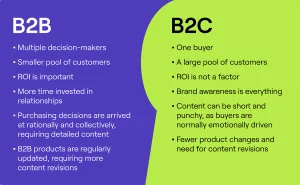
Viral marketing, at its core, is about encouraging individuals to share a marketing message voluntarily with others, creating exponential reach without a proportional increase in cost. For B2C companies, this often involves humorous videos, contests, or emotionally engaging stories. But in the B2B environment, viral marketing depends more on value sharing, professional networks, and relevant industry-driven incentives. When implemented thoughtfully, viral marketing can drastically increase brand awareness, generate quality leads, and strengthen credibility among target decision-makers.
This article takes a closer look at how B2B companies can apply viral marketing effectively through e-mail campaigns, digital content, and professional referral systems. We explore the conditions required for successful viral promotion, how companies can build referral incentives, and why using existing networks remains the backbone of viral strategy in the business world. By the end, you will have a structured, actionable understanding of how viral marketing can help B2B companies expand influence and generate sustainable business growth.
Understanding Viral Marketing in the B2B Environment
What Is Viral Marketing?
Viral marketing is a promotional approach that encourages individuals to share a marketing message with others, leading to rapid and widespread dissemination. The term “viral” refers to the exponential effect of sharing, similar to how a biological virus spreads. In business terms, the more people who share your content or offer, the larger and faster your audience grows—often without additional financial investment.
How Viral Marketing Works in B2B Contexts
Unlike consumer viral marketing, which often focuses on entertainment and emotional resonance, B2B viral marketing is value-driven. Business professionals share information when it is:
- Relevant to their work
- Helps solve business problems
- Provides access to exclusive insights or tools
- Offers practical financial or operational benefits
Thus, B2B viral marketing succeeds when a company offers something useful enough that business customers feel compelled to share it with colleagues.
Core Conditions for Successful B2B Viral Marketing
For viral marketing to work effectively in B2B environments, several essential conditions must be met:
1. The Offer Must Add Value to Both the Sender and the Receiver
To motivate people to share your message, the offer must benefit both parties. For example:
- A free industry report helps the receiver gain knowledge.
- The sender gains a reward such as access to premium tools, discounts, or loyalty points.
This mutual benefit system creates a win-win dynamic, encouraging repeated sharing behavior.
2. The Offer Must Be Deliverable
Before launching a viral campaign, companies must ensure their infrastructure can handle rapid growth. If an offer gains wide attention quickly, demand may spike. Failure to fulfill promised rewards or services can harm brand reputation. Scalability is critical—systems must be ready for increased website traffic, customer inquiries, and order requests.
3. The Message Must Be Easily Shareable
Simplicity is essential. The easier it is for someone to share your content or offer, the more likely they are to do so. Email, landing pages, and social sharing links are effective tools for this. For instance:
- A “Share with a Colleague” button
- Pre-written email templates
- Referral codes and automated sign-up links
These tools reduce friction, increasing the rate of viral spread.
4. The Campaign Should Leverage Existing Networks
The most powerful viral marketing campaigns use existing networks rather than trying to create new ones. B2B professionals already belong to:
- Industry associations
- Online forums
- LinkedIn groups
- Professional email lists
- Supplier and distributor networks
By encouraging customers and partners to share within these circles, companies tap into trusted relationships where recommendations carry more weight.
Why Email Remains a Powerful Viral Marketing Tool in B2B
The Strength of Email Networking
Email continues to be a leading communication channel in professional environments. Unlike social media, email is direct, personal, and widely used for business decision-making. It allows professionals to share content quickly with individuals and large internal teams.
Email as an Instant Referral Mechanism
When businesses send engaging, valuable content through email—such as research reports, free software trials, or exclusive invites to webinars—recipients can forward this content to colleagues with just one click. This makes email an ideal platform for viral referrals.
Strategies for Implementing Viral Marketing in B2B Companies
Step 1: Start with Your Existing Customer Base
Your current customers already know your value. Encourage them to refer others by offering:
- Loyalty rewards
- Free upgrades
- Additional service features
- Complimentary consultation time
This reinforces customer satisfaction while expanding your reach.
Step 2: Engage Referral Partners and Industry Contacts
Beyond customers, companies have broader professional networks:
- Vendors
- Consultants
- Service providers
- Industry mentors
- Trade associations
These networks can be nurtured to deliver consistent, high-quality referrals.
Step 3: Provide Meaningful Incentives
Incentives should align with the needs of your target audience. If your customers are busy executives or business owners, offer incentives that reduce stress or create personal value, such as:
- A professional development program
- A spa day
- A weekend getaway package
- A business book library subscription
Thoughtful rewards demonstrate understanding and empathy—key elements of strong business relationships.
Step 4: Monitor, Measure, and Refine
Successful viral campaigns require tracking:
- Referral rates
- Lead quality
- Conversion performance
- Customer satisfaction
These insights help improve future campaigns and align them with evolving market conditions.
Conclusion
Viral marketing is not just a trend for consumer brands—it is a powerful strategy that B2B marketers can use to build influence, generate referrals, and expand business reach. By developing value-driven offers, ensuring scalability, making referral sharing effortless, and leveraging existing networks, B2B companies can create marketing campaigns that grow organically and sustainably. Email remains a cornerstone communication channel, providing a fast, professional way to share information and expand exposure.
When executed effectively, viral marketing becomes a self-sustaining system. Customers become brand ambassadors, partners become referral channels, and professional networks become catalysts for continuous growth. In a competitive global marketplace, the companies that succeed will be those that understand how to inspire others to share their value—and who recognize that even in B2B environments, word-of-mouth remains one of the most powerful tools of all.
Five Key Rules Every Web Designer Should Know