
 By admin
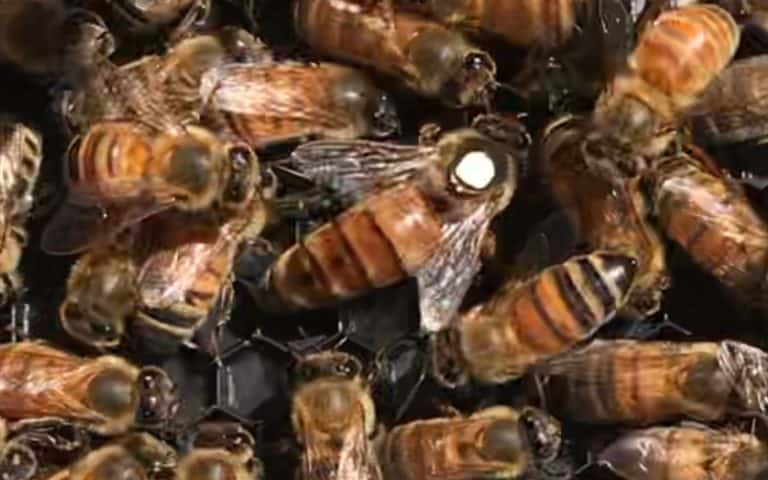
Introduction: The Mystery Behind the Making of a Queen
Among the most fascinating phenomena in the natural world is the transformation of an ordinary honeybee larva into a powerful and majestic queen bee — the heart and brain of her colony. Within every beehive lies a complex and highly organized social structure that depends entirely on the queen. Yet, what determines whether a bee will become a worker or a queen is not written in its DNA alone. Instead, it is the result of a remarkable biological and environmental process involving nutrition, hormones, and behavior.
Modern research has revealed that the making of a queen bee is a prime example of epigenetic control — where genes are turned “on” or “off” not by changes in DNA, but by environmental cues, particularly diet. This discovery has revolutionized our understanding of how environment and biology intertwine to shape life. To understand how a bee becomes a queen, one must delve deep into the world of the honeybee colony — a world governed by teamwork, communication, and evolutionary precision.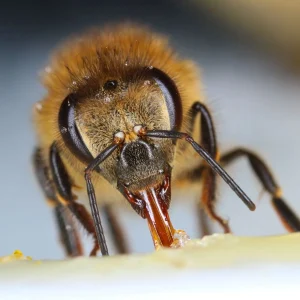
1. The Social Structure of the Beehive
1.1 The Roles Within the Colony
A beehive operates as a superorganism composed of three main castes:
- The Queen Bee: The sole reproductive female, responsible for laying thousands of eggs.
- Worker Bees: Sterile females that perform all other tasks such as foraging, cleaning, feeding larvae, and defending the hive.
- Drones: Males whose only role is to mate with a virgin queen.
This division of labor ensures the hive’s survival, but what is fascinating is that all female bees share the same genetic material. The only difference between a sterile worker and a fertile queen lies in how they are nurtured during development.
1.2 The Superorganism Concept
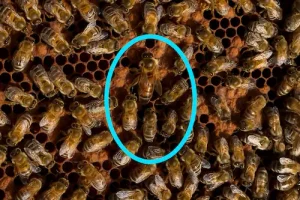
Biologists refer to the bee colony as a superorganism because individual bees act like cells in a larger body. The queen functions as the reproductive organ, while workers act as sensory and motor units — collecting food, maintaining temperature, and ensuring defense. The harmony within this social system relies on chemical communication, especially through pheromones produced by the queen.
2. The Beginning: From Egg to Larva
2.1 The Egg-Laying Process
A queen bee lays up to 2,000 eggs per day during the peak season. Each egg is placed in a hexagonal wax cell, built by worker bees. After three days, the egg hatches into a larva — a small, white, legless creature that relies entirely on worker bees for food.
2.2 The Royal Choice
When the colony needs a new queen — either because the old one is aging, has died, or the colony is preparing to swarm — worker bees choose a few larvae to become potential queens. This choice is critical and strategic. Selected larvae are transferred to special cells known as queen cups, larger and more spacious than worker cells. What follows next is a transformation dictated not by genetics, but by nutrition.
3. The Royal Diet: The Power of Royal Jelly
3.1 What Is Royal Jelly?
The magic ingredient that turns an ordinary larva into a queen is royal jelly — a milky, protein-rich secretion produced by young nurse bees. All larvae receive royal jelly for the first three days of their life, but only the larvae destined to become queens continue to receive it exclusively throughout their development.
3.2 Nutritional and Chemical Composition
Royal jelly is a biochemical marvel. It contains:
- Proteins (notably major royal jelly proteins or MRJPs)
- Lipids
- Sugars
- Vitamins (particularly B-complex)
- Hormones and trace minerals
The presence of specific fatty acids and the hormone juvenile hormone plays a decisive role in triggering gene expression that leads to the queen phenotype — including her fertility, size, and longevity.
3.3 Epigenetics: How Diet Rewrites the Genome
In 2008, scientists discovered that the differentiation between queen and worker bees is epigenetic. This means the genes are the same, but their expression differs. Royal jelly suppresses the enzyme DNA methyltransferase, which normally silences certain genes. By preventing methylation, royal jelly activates the genes responsible for the queen’s ovaries, size, and pheromone production.
Thus, nutrition literally “reprograms” the larva’s genetic software, transforming it into a reproductive monarch.
4. The Transformation: Development Stages of the Queen Bee
4.1 The Queen Cell
Once a larva is chosen for royal treatment, worker bees expand its cell vertically, giving it a peanut-like shape. The developing queen is continuously fed royal jelly in abundance until her cell is sealed with wax.
4.2 Metamorphosis Inside the Cell
Inside the sealed queen cell, the larva spins a cocoon and enters the pupal stage. During this phase, an astonishing transformation takes place:
- The reproductive organs develop fully.
- The stinger becomes smooth (allowing her to sting multiple times).
- Her body elongates and becomes more muscular.
- Her brain and pheromone glands develop to control the colony.
After approximately 16 days from the egg stage, the mature queen emerges — faster than workers (21 days) or drones (24 days).
5. The Queen’s First Act: A Battle for Supremacy
5.1 The Fight for the Throne
When multiple queen cells exist, the first queen to emerge becomes an assassin. She immediately seeks out her rivals, stinging them to death before they can hatch. This lethal behavior ensures that only one queen reigns — a crucial factor for colony stability.
5.2 The Mating Flight
After her victory, the virgin queen takes her nuptial flight several days later. She flies high into the sky, where she mates with multiple drones (10–20 typically) from other colonies. During this flight, she collects and stores sperm in a specialized organ called the spermatheca, which allows her to fertilize eggs for the rest of her life — up to five years.
5.3 Returning as the Monarch
Once mated, the queen returns to the hive and begins her lifelong duty: laying eggs. Her pheromones signal her dominance, suppressing the reproductive abilities of worker bees. The entire colony’s behavior, cohesion, and productivity depend on her presence and scent.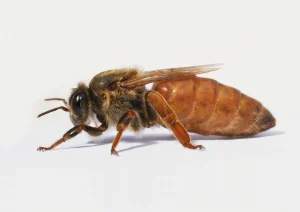
6. The Science and Importance of the Queen Bee
6.1 The Queen’s Influence
A healthy queen ensures a strong colony. Her pheromones regulate:
- Worker behavior and cooperation
- Swarming tendencies
- Egg-laying rate
- Hive morale and order
If the queen weakens, pheromone levels drop, and the workers begin constructing new queen cells — a process known as supersedure.
6.2 Longevity and Productivity
Queens can live up to five years, significantly longer than worker bees (who live a few weeks in summer). Her longevity results from continuous royal jelly consumption and hormonal regulation that reduces aging processes — a subject of interest to aging researchers worldwide.
7. Modern Scientific Insights and Applications
7.1 Epigenetic Research and Human Health
The epigenetic mechanisms observed in bees have inspired breakthroughs in human biology. Scientists now study royal jelly compounds to understand how diet influences gene expression, aging, and disease resistance in humans. Some MRJPs and fatty acids found in royal jelly exhibit antioxidant, antimicrobial, and neuroprotective properties.
7.2 Beekeeping and Queen Rearing
In modern apiculture, beekeepers often practice queen rearing, a controlled process that mimics natural selection. By choosing strong genetic lines and feeding larvae royal jelly in artificial cups, beekeepers ensure productive hives with disease resistance and strong honey output.
7.3 Environmental Challenges and the Future of Queens
However, the modern world poses threats to queen bee health: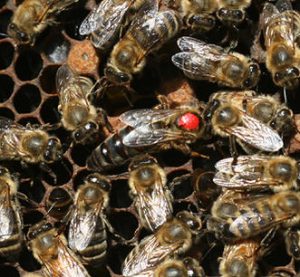
- Pesticides and pollution can disrupt pheromone signaling.
- Climate change alters flowering patterns, affecting nutrition.
- Varroa mites and viral infections can weaken queens.
Scientists are now exploring probiotic supplements and controlled diets to protect queen fertility and colony stability.
8. Philosophical and Ecological Perspectives
8.1 The Queen as a Symbol of Natural Balance
The queen bee represents more than just reproduction — she symbolizes harmony, leadership, and interdependence. Her rise from ordinary larva to ruler embodies the idea that environment, cooperation, and nurturing determine destiny as much as genetics.
8.2 Lessons from the Hive
Human societies can learn much from bee colonies: discipline, teamwork, and respect for natural roles. The making of a queen reminds us that greatness often depends on how one is nurtured and supported by the community.
Conclusion: The Royal Secret of the Hive
The making of a queen bee is one of nature’s most elegant biological transformations. It shows that power and purpose are not prewritten in genes but shaped by care, nutrition, and environment. Through royal jelly, epigenetics, and social harmony, a simple larva evolves into the heart of an entire civilization — a queen whose presence defines the life of thousands.
This process is a testament to the complexity of life and the delicate balance between genetics and nurture. In every hive, the story of the queen bee is a reminder that destiny is often crafted not by what we are born with, but by what we are given.
How to Raise a Happy and Healthy Cat