
 By admin
Forex Trading: Understanding the Global Hype Behind the World’s Largest Financial Market
Introduction
Over the past two decades, Forex trading has evolved from a niche activity reserved for banks and institutional investors into a global financial phenomenon accessible to nearly anyone with an internet connection. Millions of traders worldwide are drawn to the foreign exchange market every day, inspired by stories of financial freedom, rapid profits, and the excitement of participating in the world’s largest and most liquid financial marketplace.
Forex trading, also known as foreign exchange trading or FX trading, involves the buying and selling of currencies in an attempt to profit from changes in exchange rates. Unlike traditional stock markets, the Forex market operates 24 hours a day, five days a week, making it one of the most dynamic and fast-paced financial environments in existence.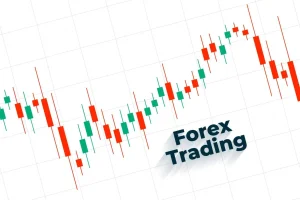
The hype surrounding Forex trading often centers around the possibility of generating substantial returns from relatively small investments. Social media influencers, online advertisements, and trading communities frequently portray Forex as a fast path to wealth. While it is true that some traders have achieved impressive financial success, the reality is far more complex. Forex trading requires discipline, education, strategy, risk management, and emotional control.
This article explores the true nature of Forex trading, how the market works, why it has become so popular, the opportunities it presents, the risks involved, and the essential steps beginners should take before investing their money.
What Is Forex Trading?
Understanding the Foreign Exchange Market
Forex trading refers to the exchange of one currency for another in a decentralized global marketplace. The Forex market determines the exchange rates for currencies around the world and facilitates international trade, tourism, investment, and economic activity.
For example, when a trader buys euros using U.S. dollars, they are speculating that the euro will increase in value relative to the dollar. If the euro strengthens, the trader can sell it later at a profit.
The Forex market is enormous. Daily trading volumes exceed trillions of dollars, making it significantly larger than stock and commodity markets combined. This high liquidity means traders can usually buy or sell currencies instantly at current market prices.
How Forex Trading Works
Currency Pairs Explained
Currencies in the Forex market are always traded in pairs. One currency is bought while the other is sold simultaneously.
Examples of common currency pairs include:
- EUR/USD – Euro versus U.S. Dollar
- GBP/USD – British Pound versus U.S. Dollar
- USD/JPY – U.S. Dollar versus Japanese Yen
- AUD/USD – Australian Dollar versus U.S. Dollar
The first currency in the pair is called the “base currency,” while the second is known as the “quote currency.”
If EUR/USD is trading at 1.10, this means one euro equals 1.10 U.S. dollars.
Major, Minor, and Exotic Pairs
Major Currency Pairs
Major pairs involve the world’s most traded currencies and typically include the U.S. dollar. These pairs offer high liquidity and lower spreads.
Minor Currency Pairs
Minor pairs exclude the U.S. dollar but still involve major economies, such as EUR/GBP or GBP/JPY.
Exotic Currency Pairs
Exotic pairs combine a major currency with a currency from an emerging economy, such as USD/TRY or EUR/ZAR. These pairs tend to be more volatile and riskier.
Why Forex Trading Has Become So Popular
Accessibility Through Technology
One of the biggest reasons for the Forex boom is technological advancement. Online trading platforms and mobile applications now allow individuals to trade currencies from anywhere in the world.
In the past, Forex trading was limited mainly to:
- Central banks
- Commercial banks
- Large corporations
- Hedge funds
- Institutional investors
Today, retail traders can open accounts within minutes and access global markets instantly.
Low Barrier to Entry
Many Forex brokers allow traders to start with relatively small deposits. Some accounts can be opened with as little as $100, although serious trading often requires larger capital.
This accessibility has made Forex attractive to beginners seeking additional income streams or financial independence.
24-Hour Market Availability
Unlike stock exchanges with fixed trading hours, the Forex market operates continuously during weekdays through major financial centers including:
- London
- New York
- Tokyo
- Sydney
This flexibility allows traders to participate before or after work, making Forex appealing to part-time traders.
High Liquidity
The Forex market’s enormous size ensures constant buying and selling activity. High liquidity often leads to:
- Faster trade execution
- Lower transaction costs
- Reduced price manipulation
Leverage Opportunities
Forex brokers frequently offer leverage, allowing traders to control large positions with smaller amounts of money.
For example, with 1:100 leverage, a trader can control $10,000 with only $100 of personal capital.
While leverage can magnify profits, it can also dramatically increase losses.
The Role of Brokers in Forex Trading
What Forex Brokers Do
Forex brokers act as intermediaries between retail traders and the global currency market. They provide trading platforms, market access, charting tools, and account management services.
A broker’s platform allows traders to: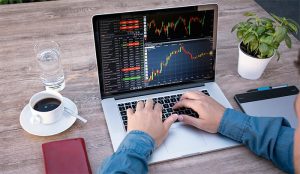
- Analyze market movements
- Execute buy and sell orders
- Monitor open positions
- Manage risk
Choosing a Reliable Broker
Selecting a trustworthy Forex broker is one of the most important decisions a trader can make.
Key factors to consider include:
Regulation and Licensing
Choose brokers regulated by reputable financial authorities. Regulation helps protect traders from fraud and unethical practices.
Trading Costs
Review spreads, commissions, and hidden fees before opening an account.
Platform Quality
A good trading platform should be stable, fast, secure, and user-friendly.
Customer Support
Reliable customer service is essential, especially during periods of high market volatility.
Educational Resources
Many leading brokers provide webinars, tutorials, demo accounts, and market analysis tools.
Understanding Currency Codes
Why Currency Symbols Matter
Every currency in the Forex market is represented by a three-letter code standardized internationally.
Examples include:
- USD – United States Dollar
- EUR – Euro
- GBP – British Pound Sterling
- JPY – Japanese Yen
- CHF – Swiss Franc
- CAD – Canadian Dollar
These codes simplify international trading and financial reporting.
Reading Forex Quotes
Forex quotes show how much one currency is worth compared to another.
For example:
- USD/JPY = 145.50
This means one U.S. dollar equals 145.50 Japanese yen.
Traders profit by correctly predicting whether exchange rates will rise or fall.
What Moves the Forex Market?
Economic Indicators
Economic data strongly influences currency values.
Important indicators include:
Interest Rates
Central bank interest rate decisions can significantly impact currency demand.
Inflation
High inflation often weakens a currency over time.
Employment Data
Strong employment figures usually support economic growth and currency strength.
GDP Growth
Healthy economic expansion often attracts investors and strengthens national currencies.
The Impact of Global Events
Political Stability
Political uncertainty, elections, wars, and geopolitical tensions can create major currency fluctuations.
Central Bank Policies
Institutions such as the Federal Reserve, the European Central Bank, and the Bank of Japan heavily influence Forex markets through monetary policy decisions.
Global Crises
Economic recessions, pandemics, and financial crises often create extreme volatility in the Forex market.
Forex Trading Strategies
Day Trading
Day traders open and close positions within the same trading day. They aim to profit from short-term price movements.
Swing Trading
Swing traders hold positions for several days or weeks, attempting to capture medium-term trends.
Scalping
Scalpers execute many quick trades within minutes or seconds to earn small profits repeatedly.
Position Trading
Position traders hold trades for months or even years based on long-term economic trends.
The Importance of Risk Management
Why Most Beginners Lose Money
One of the harsh realities of Forex trading is that many inexperienced traders lose money. Common reasons include:
- Lack of education
- Emotional decision-making
- Excessive leverage
- Poor risk management
- Unrealistic expectations
Essential Risk Management Techniques
Stop-Loss Orders
A stop-loss automatically closes a trade when losses reach a predetermined level.
Position Sizing
Never risk too much capital on a single trade.
Diversification
Avoid concentrating all investments in one currency pair.
Risk-to-Reward Ratios
Successful traders typically aim for higher potential rewards than risks.
Forex Trading Scams and Fraud
Why Forex Scams Exist
Because Forex trading is popular and financially attractive, scammers often target beginners with promises of guaranteed profits and easy wealth.
Common scam tactics include:
- Fake investment platforms
- Unrealistic profit claims
- Signal-selling schemes
- Unregulated brokers
- Ponzi-style investment systems
Warning Signs of Fraud
Be cautious if a company:
- Guarantees profits
- Promises risk-free trading
- Pressures you to deposit immediately
- Lacks regulation
- Operates anonymously online
Protecting Yourself
Always research brokers carefully and verify regulatory licenses before investing.
Reading reviews, checking legal registrations, and starting with demo accounts can help reduce risks.
The Psychological Side of Forex Trading
Emotional Discipline Matters
Forex trading is not only a financial challenge but also a psychological one.
Fear and greed are two of the biggest reasons traders fail.
Fear
Fear can cause traders to close winning positions too early or avoid good opportunities.
Greed
Greed often leads traders to overtrade or take excessive risks.
Building Trading Discipline
Professional traders typically follow strict trading plans that include:
- Entry rules
- Exit strategies
- Risk limits
- Emotional control techniques
Consistency is more important than occasional large profits.
Demo Accounts: A Safe Starting Point
Learning Without Financial Risk
Most brokers offer demo accounts that simulate real market conditions using virtual money.
Demo trading allows beginners to:
- Practice strategies
- Learn platform functionality
- Understand market behavior
- Build confidence
Using a demo account before risking real capital is strongly recommended.
The Future of Forex Trading
Artificial Intelligence and Automation
Modern Forex trading increasingly involves:
- Algorithmic trading
- AI-powered analysis
- Automated trading bots
- Machine learning systems
Technology continues to reshape how traders interact with markets.
Mobile Trading Growth
Smartphones and mobile apps have made Forex trading more accessible than ever. Traders can monitor and manage positions from virtually anywhere.
Cryptocurrency Influence
The rise of digital assets has also influenced currency trading. Some brokers now offer cryptocurrency pairs alongside traditional Forex products.
Advantages of Forex Trading
Potential Benefits
Forex trading offers several appealing advantages:
High Liquidity
Easy entry and exit from trades.
Flexible Trading Hours
Markets operate around the clock during weekdays.
Accessibility
Low minimum deposits make trading accessible to many individuals.
Educational Resources
Abundant online courses, videos, and market analysis tools are available.
Diverse Opportunities
Multiple currency pairs and trading styles allow strategic flexibility.
Risks and Challenges of Forex Trading
Understanding the Downsides
Despite its popularity, Forex trading involves substantial risk.
High Volatility
Prices can change rapidly due to economic or political events.
Leverage Risks
Leverage can amplify losses significantly.
Emotional Stress
Constant market fluctuations can create psychological pressure.
Market Complexity
Successful trading requires continuous learning and market analysis.
How Beginners Can Start Safely
Step 1: Learn the Basics
Understand:
- Currency pairs
- Market terminology
- Technical analysis

- Fundamental analysis
- Risk management
Step 2: Use a Demo Account
Practice before investing real money.
Step 3: Start Small
Trade with affordable amounts while gaining experience.
Step 4: Develop a Trading Plan
A structured plan helps avoid impulsive decisions.
Step 5: Focus on Consistency
Long-term success comes from discipline and gradual improvement.
Conclusion
Forex trading has earned its global hype because it offers enormous opportunities, unmatched liquidity, and easy access to international financial markets. The possibility of earning profits from currency fluctuations attracts millions of traders worldwide, from beginners seeking additional income to experienced professionals managing large investment portfolios.
However, Forex trading is far from a guaranteed path to wealth. Behind the social media success stories and aggressive online advertisements lies a highly competitive financial environment that demands education, patience, strategic thinking, and disciplined risk management.
Understanding how the Forex market works, choosing reliable brokers, learning proper trading strategies, and protecting yourself from scams are essential steps toward long-term success. Traders who approach Forex with realistic expectations and a commitment to continuous learning are far more likely to succeed than those chasing quick profits.
Ultimately, Forex trading is neither a magical shortcut to riches nor an impossible challenge. It is a sophisticated financial activity that rewards preparation, knowledge, emotional control, and consistent decision-making. As technology continues to expand global access to financial markets, Forex trading will likely remain one of the most talked-about and influential investment opportunities in the modern world.