
 By admin
The Rise of Green Hydrogen: A Comprehensive Overview of the Future of Clean Energy
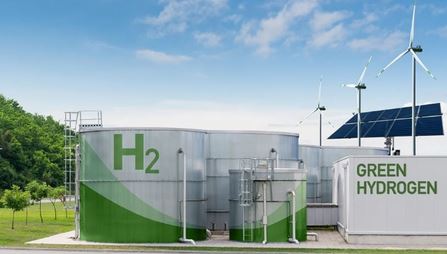
As the world grapples with the dual challenges of climate change and depleting fossil fuel reserves, green hydrogen has emerged as a beacon of hope. Often hailed as the “fuel of the future,” green hydrogen offers a sustainable, zero-emission alternative to conventional energy sources. This article explores the science, applications, benefits, and challenges of green hydrogen while delving into its potential to revolutionize global energy systems.
What is Green Hydrogen?
Green hydrogen refers to hydrogen produced through the process of water electrolysis powered entirely by renewable energy sources such as solar, wind, or hydropower. Unlike gray hydrogen, which is derived from natural gas and emits significant amounts of carbon dioxide, or blue hydrogen, which incorporates carbon capture technology, green hydrogen is entirely clean and carbon-free.
The Science Behind Green Hydrogen
The process of producing green hydrogen involves:
- Electrolysis: Using an electrolyzer, water (H₂O) is split into hydrogen (H₂) and oxygen (O₂) gases.
- Renewable Energy: The electricity required for electrolysis is sourced from renewable energy systems, ensuring no greenhouse gas emissions.
Why is Green Hydrogen Important?
- Decarbonization: Green hydrogen plays a crucial role in reducing carbon emissions, particularly in sectors where direct electrification is challenging, such as heavy industry and aviation.
- Energy Storage: It offers a solution for storing surplus renewable energy, addressing the intermittency issues associated with solar and wind power.
- Versatility: Hydrogen can be used across various applications, including power generation, transportation, and industrial processes, making it a key enabler of the global energy transition.
Key Applications of Green Hydrogen
- Transportation:
- Fuel Cell Electric Vehicles (FCEVs): Green hydrogen powers FCEVs, offering longer ranges and faster refueling compared to battery electric vehicles (BEVs).
- Heavy Transport: Trucks, buses, trains, and ships can benefit significantly from hydrogen fuel due to its high energy density.
- Industry:
- Steel Production: Green hydrogen can replace coking coal in steelmaking, reducing the sector’s carbon footprint.
- Ammonia Production: Used as a feedstock in fertilizers, green hydrogen can decarbonize this energy-intensive process.
- Energy Storage and Grid Balancing:
- Hydrogen can store excess renewable energy for use during periods of low generation, ensuring a stable and resilient power grid.
- Power Generation:
- Hydrogen turbines can produce electricity with zero emissions, providing a clean alternative to natural gas.
Advantages of Green Hydrogen
- Zero Emissions: The entire lifecycle of green hydrogen is free from carbon emissions, contributing to cleaner air and a healthier planet.
- Abundance: Hydrogen is the most abundant element in the universe, ensuring a virtually limitless supply when produced sustainably.
- Energy Independence: By harnessing local renewable resources, nations can reduce their reliance on imported fossil fuels.
- Job Creation: The green hydrogen economy has the potential to generate millions of jobs in renewable energy infrastructure, manufacturing, and research.
Challenges Facing Green Hydrogen Adoption
- High Production Costs:
- Currently, green hydrogen is significantly more expensive than gray or blue hydrogen due to the high cost of electrolyzers and renewable energy.
- Infrastructure Gaps:
- A lack of widespread hydrogen storage, distribution, and refueling infrastructure limits its adoption.
- Energy Intensity:
- Electrolysis requires substantial amounts of electricity, necessitating a robust and reliable renewable energy supply.
- Policy and Regulation:
- Inconsistent policies and regulatory frameworks across countries hinder the development of a global hydrogen economy.
Innovations Driving Green Hydrogen Forward
- Advanced Electrolyzers: Research is focused on developing more efficient and cost-effective electrolyzers, such as proton exchange membrane (PEM) and solid oxide electrolyzers.
- Renewable Energy Integration: Co-locating hydrogen production facilities with renewable energy sources reduces costs and improves efficiency.
- Hydrogen Storage Technologies: Innovations like metal hydrides and liquid organic hydrogen carriers (LOHCs) are making hydrogen storage safer and more practical.
- Policy Support: Governments worldwide are introducing incentives and subsidies to accelerate green hydrogen adoption. Examples include the European Union’s “Green Deal” and the U.S. Department of Energy’s Hydrogen Shot initiative.
Global Momentum for Green Hydrogen
- Europe:
- The European Union has set an ambitious target to produce 10 million tons of green hydrogen annually by 2030.
- Countries like Germany and Spain are leading the charge with significant investments in hydrogen infrastructure.
- Asia:
- Japan aims to establish a “hydrogen society” and has invested heavily in hydrogen technology for transportation and energy storage.
- South Korea’s “Hydrogen Economy Roadmap” outlines plans for widespread hydrogen adoption across industries.
- North America:
- The United States and Canada are investing in green hydrogen projects, focusing on decarbonizing transportation and industry.
- Middle East:
- Countries like Saudi Arabia and the UAE are leveraging their abundant solar resources to produce and export green hydrogen.
The Economic Potential of Green Hydrogen
The global green hydrogen market is projected to reach $89 billion by 2030, driven by falling production costs and increasing demand for clean energy. Key sectors poised to benefit include renewable energy, manufacturing, and transportation.
Conclusion
Green hydrogen represents a pivotal opportunity to reshape the global energy landscape. While challenges remain, advancements in technology, supportive policies, and growing awareness of climate issues are accelerating its adoption. By investing in green hydrogen today, we can pave the way for a cleaner, more sustainable future. The journey to widespread green hydrogen utilization is not just a technological endeavor but a moral imperative to protect our planet for generations to come.