
 By admin
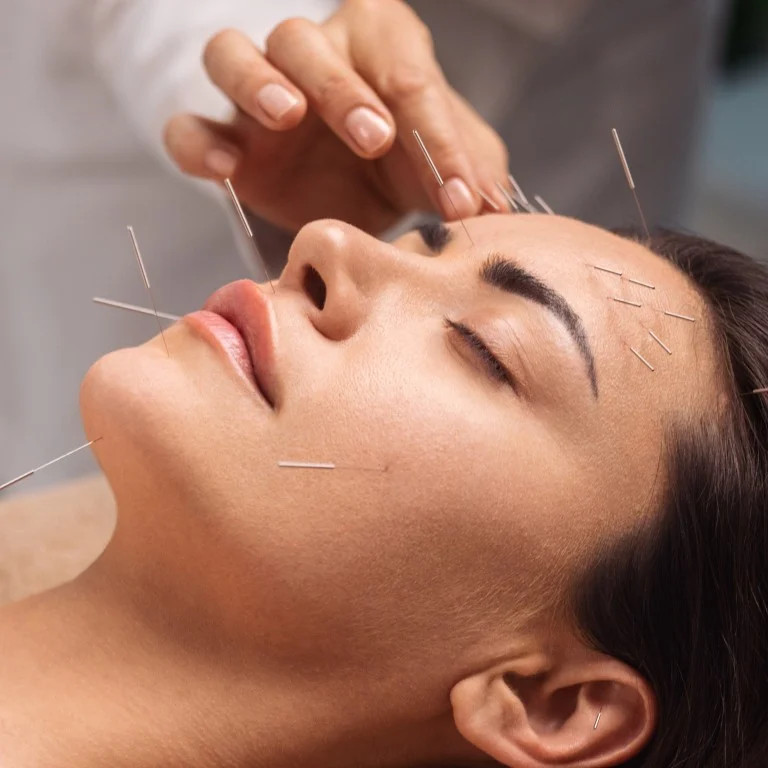
The History of Acupuncture: From Ancient Chinese Healing to Modern Integrative Medicine
Introduction
Acupuncture is one of the oldest healing practices in human history and remains one of the most widely used forms of complementary and integrative medicine worldwide. Originating in ancient China thousands of years ago, acupuncture has evolved from a traditional therapeutic technique into a globally recognized healthcare practice supported by growing scientific research. Today, millions of people seek acupuncture treatment for pain management, stress reduction, rehabilitation, and overall wellness.
The word “acupuncture” is derived from two Latin terms: acus, meaning “needle,” and pungere, meaning “to prick.” Although the name reflects the practice of inserting fine needles into specific points on the body, modern acupuncture has expanded far beyond traditional needle therapy. Contemporary techniques may include electrical stimulation, laser therapy, acupressure, ultrasound stimulation, and other innovative approaches.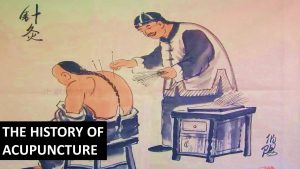
The remarkable journey of acupuncture spans centuries, cultures, and continents. From ancient Chinese medical texts to modern hospitals and wellness clinics, acupuncture continues to demonstrate its adaptability and enduring relevance. Understanding its history provides valuable insight into how this ancient healing art became a respected component of modern healthcare.
The Origins of Acupuncture in Ancient China
Early Beginnings of Traditional Chinese Medicine
The roots of acupuncture can be traced back more than 2,000 years, although many historians believe its origins may be significantly older. Ancient Chinese healers observed patterns within nature and the human body, developing theories that connected health with balance and harmony.
Traditional Chinese Medicine (TCM) emerged from these observations and became one of the world’s oldest organized medical systems. According to TCM principles, health depends on the smooth flow of vital energy known as Qi (pronounced “chee”) through pathways called meridians. Illness occurs when this flow becomes blocked or unbalanced.
Acupuncture was developed as a method to restore balance by stimulating specific points along these meridians. Ancient practitioners believed that activating these points could help regulate bodily functions, relieve pain, and promote healing.
The Yellow Emperor’s Classic of Internal Medicine
One of the most important milestones in acupuncture history is the publication of the Huang Di Nei Jing, often translated as The Yellow Emperor’s Classic of Internal Medicine. This foundational medical text, compiled between approximately 300 BCE and 100 BCE, remains one of the most influential works in Chinese medicine.
The text discusses:
- Human anatomy and physiology
- Disease diagnosis and prevention
- The concept of Qi
- Meridian pathways
- Acupuncture techniques
- Therapeutic strategies
Many principles described in this ancient work continue to influence acupuncture education and practice today.
Evidence of Ancient Needle Therapy
Archaeological Discoveries and Historical Debate
Although China is widely recognized as the birthplace of acupuncture, some archaeological findings have sparked debate among historians and researchers.
One frequently cited discovery involves the famous prehistoric mummy known as Ötzi the Iceman, found in the Alps and dating back more than 5,000 years. Researchers discovered tattoo markings on his body that correspond closely to certain acupuncture points used in modern treatments.
This intriguing evidence has led some scholars to speculate that forms of therapeutic point stimulation may have existed outside China long before recorded history. However, because there are no written records linking these markings to acupuncture practices, definitive conclusions remain elusive.
As a result, the historical credit for developing acupuncture as a structured medical system continues to belong to ancient Chinese civilization, where extensive documentation and theoretical foundations were established.
The Evolution of Acupuncture Techniques
From Stone Tools to Metal Needles
The earliest acupuncture instruments were not the thin stainless-steel needles used today. Ancient practitioners initially employed sharpened stones known as bian stones to stimulate specific areas of the body.
Over time, advances in metallurgy allowed healers to create needles from materials such as:
- Bronze
- Iron
- Silver
- Gold
These innovations improved precision and comfort, making treatments more effective and accessible.
Refinement Through Dynastic Periods
During various Chinese dynasties, acupuncture continued to evolve. Medical scholars expanded knowledge of meridian systems, identified additional acupuncture points, and developed increasingly sophisticated treatment protocols.
By the Tang Dynasty (618–907 CE) and Song Dynasty (960–1279 CE), acupuncture had become an established medical discipline taught in specialized institutions. Detailed anatomical charts and bronze models were created to train practitioners and standardize treatment methods.
The Spread of Acupuncture Across Asia
Arrival in Korea and Japan
As Chinese culture and medicine spread throughout Asia, acupuncture gained popularity in neighboring countries.
By the sixth century, acupuncture had reached Korea and Japan, where local practitioners adapted Chinese methods to suit their own cultural and medical traditions.
In Japan, acupuncture underwent significant refinement and innovation. Japanese practitioners emphasized gentler techniques and developed specialized tools that enhanced patient comfort.
Waichi Sugiyama and the Insertion Tube
One of the most influential figures in Japanese acupuncture history was Waichi Sugiyama (1610–1694).
Legend has it that Sugiyama, who was blind, accidentally discovered a method for inserting needles using a small guiding tube. This invention allowed practitioners to insert needles with greater accuracy and significantly less discomfort.
The insertion tube revolutionized acupuncture practice and remains widely used by acupuncturists around the world today. This innovation demonstrates how acupuncture has continuously evolved while preserving its fundamental principles.
Acupuncture’s Journey to the Western World
Early Encounters with European Travelers
European merchants, missionaries, and explorers traveling through Asia during the 16th and 17th centuries were among the first Western observers to document acupuncture.
Although these early reports generated curiosity, acupuncture remained largely unfamiliar to Western medical communities for centuries.
The dominance of conventional Western medicine, combined with cultural differences and limited scientific understanding, slowed the acceptance of acupuncture outside Asia.
Growing Interest in the 20th Century
Interest in acupuncture increased significantly during the 20th century. Cultural exchanges, globalization, and improved communication introduced Western audiences to Eastern healing practices.
A major turning point occurred in the early 1970s when journalists accompanying diplomatic missions to China reported successful acupuncture treatments, including its use in pain management and post-surgical recovery.
These reports sparked widespread public interest and encouraged researchers to investigate acupuncture scientifically.
Acupuncture in the United States
Professional Recognition and Regulation
Acupuncture’s growth in the United States accelerated during the late 20th century.
As public demand increased, educational institutions began offering specialized training programs. Professional organizations and regulatory bodies were established to ensure practitioner competence and patient safety.
One significant development was the creation of the National Certification Commission for Acupuncture and Oriental Medicine (NCCAOM), which helped standardize professional qualifications and certification procedures.
Today, licensed acupuncturists undergo extensive education, clinical training, and certification before being permitted to practice in many jurisdictions.
FDA Recognition of Acupuncture Needles
Another crucial milestone occurred in 1996 when the U.S. Food and Drug Administration (FDA) officially classified acupuncture needles as medical devices.
This decision helped reassure healthcare professionals and the public that properly manufactured acupuncture needles met recognized safety standards.
The FDA’s recognition marked an important step toward integrating acupuncture into mainstream healthcare systems.
Scientific Research and Modern Understanding
How Acupuncture Works
While traditional acupuncture theory focuses on Qi and meridians, modern scientific research investigates acupuncture through the lens of anatomy, physiology, and neuroscience.
Studies suggest that acupuncture may influence the body by:
- Stimulating nerves
- Releasing endorphins
- Improving blood circulation
- Reducing inflammation
- Modulating pain pathways in the brain
- Influencing neurotransmitter activity
Researchers continue to explore the complex mechanisms responsible for acupuncture’s therapeutic effects.
Evidence-Based Applications
Over the past several decades, numerous clinical studies have evaluated acupuncture’s effectiveness for various conditions.
Research indicates potential benefits for:
Pain Management
Acupuncture is commonly used to address:
- Chronic back pain
- Neck pain
- Knee osteoarthritis
- Shoulder pain
- Postoperative pain
- Sports injuries
Neurological Conditions
Some patients seek acupuncture for:
- Migraines
- Tension headaches
- Peripheral neuropathy
- Recovery support after neurological disorders
Mental Health and Stress
Many individuals use acupuncture to help manage:
- Anxiety
- Stress
- Insomnia
- Emotional well-being
Digestive and Respiratory Disorders
Acupuncture may also complement treatment plans for certain gastrointestinal and respiratory concerns, although research remains ongoing.
The Rise of Integrative Medicine
Combining Traditional and Modern Approaches
One of the most significant developments in modern healthcare is the rise of integrative medicine, which combines conventional medical treatments with evidence-based complementary therapies.
Acupuncture has become a central component of this movement.
Today, acupuncture services can be found in:
- Hospitals
- Pain management centers
- Rehabilitation clinics
- Cancer support programs
- Sports medicine facilities
- Wellness centers
Healthcare providers increasingly recognize the value of a multidisciplinary approach that addresses both physical and emotional aspects of health.
Acupuncture in Cancer Care
Many cancer treatment centers now incorporate acupuncture as a supportive therapy.
Patients may use acupuncture to help manage treatment-related symptoms such as:
- Nausea
- Fatigue
- Stress
- Pain
- Sleep disturbances
While acupuncture does not treat cancer itself, it can contribute to improved quality of life during treatment and recovery.
Innovations Beyond Traditional Needles
Modern Acupuncture Technologies
Although needle insertion remains the most recognized form of acupuncture, technological advancements have expanded available treatment options.
Modern variations include:
Electroacupuncture
This technique applies mild electrical currents through acupuncture needles to enhance stimulation.
Laser Acupuncture
Low-level lasers stimulate acupuncture points without penetrating the skin.
Acupressure
Instead of needles, practitioners use manual pressure to activate specific points.
Ultrasound Stimulation
Ultrasound technology may be used to stimulate acupuncture points noninvasively.
Auricular Therapy
This approach focuses on specific points located on the ear, which are believed to correspond to various body systems.
These innovations make acupuncture accessible to individuals who may be uncomfortable with traditional needles.
Safety and Professional Standards
Why Practitioner Training Matters
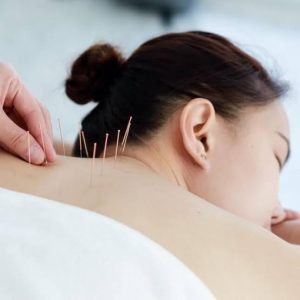
The effectiveness and safety of acupuncture depend heavily on practitioner expertise.
Qualified acupuncturists possess extensive knowledge of:
- Human anatomy
- Sterile techniques
- Diagnostic procedures
- Treatment planning
- Patient safety protocols
Patients should always seek treatment from licensed and properly trained professionals.
Safety Profile of Acupuncture
When performed correctly, acupuncture is generally considered safe.
Potential side effects are usually minor and may include:
- Temporary soreness
- Mild bruising
- Slight bleeding at insertion sites
- Temporary fatigue
Compared with some pharmaceutical interventions, acupuncture often presents fewer systemic side effects, contributing to its growing popularity among patients seeking complementary treatment options.
Ongoing Research and Future Directions
Areas of Continued Investigation
Despite centuries of practical use, researchers continue exploring acupuncture’s full therapeutic potential.
Current studies focus on conditions such as:
- Chronic pain syndromes
- Migraine disorders
- Addiction recovery
- Autism spectrum disorders
- Fibromyalgia
- Mental health conditions
- Long COVID symptoms
- Immune system regulation
Advances in imaging technology and neuroscience are helping scientists better understand how acupuncture influences the brain and nervous system.
The Future of Acupuncture
As healthcare becomes increasingly patient-centered, acupuncture is likely to play an even greater role in preventive care and chronic disease management.
The combination of traditional wisdom and modern scientific investigation continues to strengthen acupuncture’s credibility worldwide.
Future developments may include:
- Personalized acupuncture protocols
- AI-assisted treatment planning
- Enhanced clinical research

- Greater integration into hospital systems
- Expanded insurance coverage
These trends suggest that acupuncture will remain an important component of global healthcare for years to come.
Conclusion
The history of acupuncture is a remarkable story of cultural innovation, scientific curiosity, and medical evolution. Originating in ancient China more than two millennia ago, acupuncture has survived political changes, technological revolutions, and shifting medical paradigms to become one of the world’s most respected complementary therapies.
From the teachings of the Huang Di Nei Jing to modern hospitals and research laboratories, acupuncture has continually adapted while preserving its core objective: helping the body achieve balance and healing. Its expansion across Asia, adoption in the West, and integration into contemporary healthcare systems demonstrate its enduring relevance.
Although ongoing research continues to uncover the mechanisms behind its effectiveness, acupuncture’s long history and widespread use suggest that it occupies a unique position at the intersection of traditional wisdom and modern medicine. For individuals seeking holistic approaches to health and wellness, acupuncture remains a compelling option supported by centuries of experience and an expanding body of scientific evidence.