
 By admin
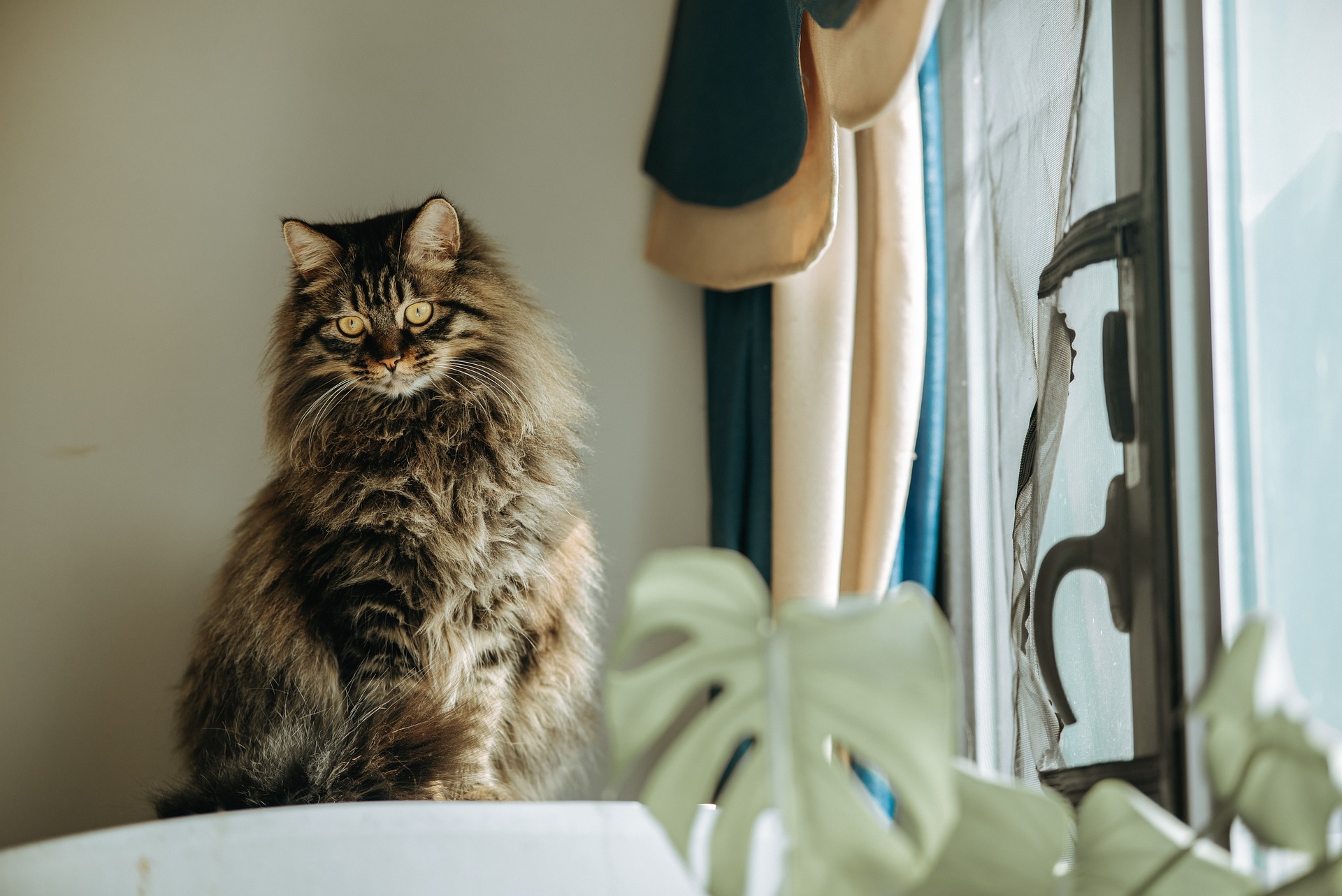
If you’ve ever seen your cat back up to a door or piece of furniture, lift its tail, and release urine, then you are likely dealing with a behavior known as spraying. This is a common issue, especially among indoor cats, and while it can be incredibly frustrating and unpleasant, the good news is that it’s a problem that can be solved.
What is Cat Spraying?
Contrary to popular belief, spraying is not a litter box problem, but rather a territorial marking behavior. When a cat sprays, the urine they release contains pheromones, which are chemical substances used by animals for communication. These pheromones are unique to each cat, similar to human fingerprints, and serve as identifiers to other animals. Essentially, spraying is a way for cats to mark their territory.

Unlike regular urination, which is a natural bodily function, spraying is intentional. A cat sprays in order to communicate with other animals, signaling to them that the space is already claimed. While this may be a completely natural behavior for the cat, it is often incredibly frustrating for pet owners, especially when the urine ends up on your favorite furniture or walls.
Why Do Cats Spray?
There are several reasons why cats may engage in spraying behavior. Understanding the underlying causes can help you address the issue more effectively.
1. Territorial Marking
The most common reason for spraying is territorial marking. Cats, particularly males, are instinctively driven to mark their territory to establish dominance and ward off intruders. This behavior is particularly prevalent in homes with multiple cats or in areas where there are frequent encounters with other animals, whether inside or outside the house.
2. Cats in Heat
Unspayed female cats in heat are more likely to spray, as they are trying to attract male cats. The pheromones in their urine signal their reproductive status to nearby males. Male cats, in turn, may spray in response to the scent of a female in heat. This is essentially an invitation for mating, and if not addressed, can lead to unwanted litters.
3. Stress and Anxiety
Cats are highly sensitive animals, and changes in their environment can cause stress. Stressors such as new people in the home, changes in routine, or the introduction of new pets or furniture can lead to spraying. This is the cat’s way of coping with anxiety, by marking their space as a means of feeling secure and in control.
4. Medical Issues
In some cases, a cat may spray due to an underlying medical problem, such as a urinary tract infection (UTI), bladder stones, or other health issues that make urination uncomfortable. A cat might spray in response to pain or discomfort, and it’s important to rule out medical causes when addressing spraying behavior.
How to Stop Cat Spraying: Solutions and Tips
While spraying can be a challenging issue to tackle, there are several strategies you can use to prevent or reduce this behavior. Here are some of the most effective methods:
1. Neutering or Spaying
The most effective and straightforward way to prevent spraying, particularly in male cats, is to neuter or spay your cat. Most male cats will stop spraying as soon as they are neutered, with some even showing immediate improvement on the day of the surgery. Spaying female cats can also prevent them from spraying due to hormonal changes associated with being in heat.
If you are not planning to breed your cat and wish to stop spraying, neutering or spaying is the ideal solution. However, if you plan to breed your cat, you may need to explore other options to manage spraying behavior.
2. Consult with a Veterinarian
If neutering or spaying is not an option for you, or if you suspect that the spraying is caused by a medical issue, consulting with a veterinarian is essential. Your vet can perform a thorough examination and rule out any underlying health problems such as a urinary tract infection or bladder issues. In some cases, your vet may recommend medication to address anxiety or stress-related spraying.
In addition, your veterinarian can provide specific behavioral advice tailored to your cat’s needs. This may include techniques to reduce stress and anxiety or suggest natural remedies to calm your cat.
3. Reduce Stress and Anxiety
Cats are highly sensitive to their environment, and stress is a common trigger for spraying behavior. If your cat’s spraying is caused by stress or anxiety, you can take several steps to create a more secure and peaceful environment:
- Maintain a Routine: Cats thrive on consistency. Try to maintain a predictable daily routine for feeding, playtime, and rest.
- Provide Hiding Spaces: If there are new additions to the household, such as pets or people, ensure your cat has quiet, safe spaces to retreat to when they feel overwhelmed.
- Interactive Play: Regular play sessions can help reduce stress and provide mental stimulation. Use toys such as feather wands, laser pointers, or interactive puzzles to engage your cat.
- Pheromone Diffusers: Synthetic pheromone products, such as Feliway, mimic the calming pheromones that cats naturally produce. These can help reduce stress and anxiety and deter spraying.
4. Clean Up Sprayed Areas Thoroughly
One of the most important steps in stopping spraying is to clean any areas where your cat has sprayed thoroughly. The smell of urine, even when it is not visible, can trigger further spraying, as cats will continue to mark the same spot if they can smell their previous markings.
To clean sprayed areas, use an enzymatic cleaner designed specifically for pet odors. These cleaners break down the urine molecules, eliminating the smell and reducing the likelihood that your cat will return to the spot.
5. Block Access to Problem Areas
If your cat has a habit of spraying specific areas, such as doors, windows, or furniture, it may be helpful to block access to those areas. This can be done by moving furniture, using double-sided tape on surfaces, or even installing barriers that prevent your cat from reaching the sprayed spots.
6. Provide Plenty of Litter Boxes
Sometimes spraying can be a sign that your cat is not happy with the number or cleanliness of their litter boxes. Ensure that you provide enough litter boxes for the number of cats in your household (generally, one box per cat, plus one extra). The boxes should be kept clean, as cats are more likely to spray if they feel their litter box is not up to their standards.
7. Use Deterrents
Certain scents and sprays can deter cats from spraying in certain areas. Citrus scents, for example, are known to be unpleasant to cats, and there are commercial products available that can help discourage spraying. Spraying these deterrents in problem areas may help reduce or eliminate spraying.
Conclusion
Spraying is a common and natural behavior in cats, but it can be problematic for cat owners. Whether it’s caused by territori

al instincts, stress, or hormonal changes, the good news is that there are effective strategies to stop or reduce spraying. The most straightforward and effective approach is neutering or spaying, but there are other methods available if surgery is not an option.
If your cat’s spraying continues despite your efforts, it’s important to consult with a veterinarian for further guidance. Understanding the root cause of the spraying behavior and addressing it with the right approach will help create a harmonious home for both you and your cat.
By taking action early and using the appropriate strategies, you can reduce or eliminate the problem of cat spraying, restoring peace in your home and preventing further damage from unwanted urine marks.