
 By admin
Understanding the Circumcision Controversy: Medical, Cultural, and Ethical Perspectives
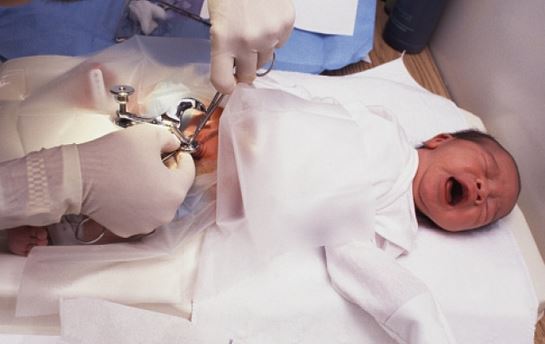
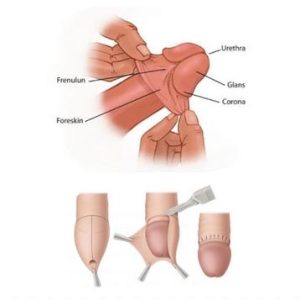
Circumcision, the surgical removal of the foreskin from the male genitalia, has been a subject of deep cultural, religious, medical, and ethical discussions worldwide. While it is often viewed through the lens of religious rituals and cultural traditions, circumcision is also considered from a health standpoint, where its perceived medical benefits and risks come into play. The decision to circumcise, particularly in infants and children, has sparked debates in various societies, with opinions ranging from those in favor of its health benefits to those who question its necessity or ethical implications.
This article delves into the multifaceted aspects of circumcision, examining its historical, cultural, and medical perspectives. It will explore the reasons behind circumcision, the medical arguments supporting and opposing it, as well as the growing ethical debate surrounding non-consensual circumcision, particularly for minors.
Historical and Cultural Significance of Circumcision
Circumcision is one of the oldest known surgical procedures, with evidence dating back to Ancient Egypt, over 4,000 years ago. The practice was initially believed to be a form of ritual purity and a way to mark societal status. Egyptian hieroglyphics depict circumcised men, and the procedure was likely performed for both hygiene and religious purposes. Over time, circumcision spread to other parts of the world, each adopting the procedure for various reasons.
In the Middle East, circumcision is primarily practiced for religious reasons. For Jews, circumcision is a covenant with God, as described in the Torah. This religious significance has been upheld for thousands of years, and circumcision is performed on Jewish boys on the eighth day of life, known as the Brit Milah ceremony. Similarly, in Islam, circumcision, known as Khitan, is seen as a significant rite of passage, although it is not explicitly mentioned in the Quran.
In the Western world, circumcision became a common medical procedure in the late 19th and early 20th centuries, particularly in the United States and parts of Europe. Initially, the procedure was linked to the belief that it would prevent masturbation, improve hygiene, and reduce the risk of infections. The practice was particularly prevalent in hospitals, where doctors viewed circumcision as a preventive measure for urinary tract infections (UTIs) and other health problems.
The Medical Benefits of Circumcision
The medical justification for circumcision has been a focal point in many debates surrounding the practice. Over the years, numerous studies have been conducted to examine the potential health benefits of circumcision. While the procedure is still controversial, several medical benefits are often cited by advocates of circumcision:
- Prevention of Urinary Tract Infections (UTIs): Several studies suggest that circumcision can reduce the incidence of UTIs in infancy, especially in male infants. The foreskin is considered a site where bacteria can accumulate, increasing the risk of urinary infections. Circumcision eliminates this risk by removing the foreskin and preventing bacteria from being trapped in the folds of the skin.
- Lower Risk of Sexually Transmitted Infections (STIs): Research has indicated that circumcised men may have a lower risk of acquiring certain STIs, including HIV. The inner surface of the foreskin is known to be more vulnerable to injury, and this may facilitate the transmission of sexually transmitted infections. Studies conducted in sub-Saharan Africa have found that circumcision can reduce the risk of HIV transmission by up to 60%. The procedure is also linked to a lower risk of genital herpes and human papillomavirus (HPV), which is associated with cervical cancer.
- Prevention of Penile Cancer: Penile cancer, although rare, is more common in uncircumcised men. The removal of the foreskin can help prevent the accumulation of smegma, a substance that may contribute to the development of penile cancer. Additionally, circumcision has been shown to reduce the risk of certain conditions like phimosis, which is the inability to retract the foreskin, and balanitis, an inflammation of the glans penis.
- Improved Hygiene: Circumcised men often report better hygiene, as it eliminates the need for cleaning under the foreskin. This is particularly beneficial in cultures with poor access to water or sanitation. Advocates argue that circumcision makes it easier to maintain personal cleanliness and reduces the buildup of bacteria or infections.
- Potential Benefits for Women: Although this aspect is less commonly discussed, circumcision may also benefit female sexual partners. Some studies suggest that circumcised men may have a lower risk of transmitting certain infections, such as HPV, which is associated with cervical cancer. The removal of the foreskin may also reduce the risk of infections in women, as the cleanliness of the male genitalia is often correlated with lower transmission rates.
Medical and Ethical Concerns About Circumcision
While the medical benefits of circumcision are often highlighted, there are also significant medical and ethical concerns that cannot be ignored. Many opponents of circumcision argue that the procedure, particularly when performed on infants or minors, is not medically necessary and carries risks that may outweigh any potential benefits.
- Pain and Risk of Complications: Like any surgical procedure, circumcision carries inherent risks. These risks include infection, excessive bleeding, scarring, and damage to the penis. In rare cases, complications may lead to permanent harm, including loss of the penis. Although circumcision is generally a safe procedure, especially when performed by trained professionals, the risk of complications cannot be entirely eliminated.
- Ethical Dilemma of Non-Consensual Surgery: One of the strongest arguments against infant circumcision is the ethical issue of non-consensual surgery. Critics argue that infants, who cannot provide informed consent, should not undergo a procedure that alters their body permanently for non-medical reasons. The child is incapable of choosing whether they want the procedure, and some argue that it is a violation of bodily autonomy.
- Psychological Impact: Some researchers and health professionals express concern about the potential long-term psychological effects of circumcision, particularly when performed on older children or adults. The experience of pain, trauma, or loss of bodily integrity may contribute to emotional distress later in life. However, there is little consensus on whether the psychological impact is significant or if it affects an individual’s well-being over time.
- Cultural and Religious Implications: Circumcision has deep religious and cultural significance for various groups. For Jewish and Muslim communities, circumcision is a rite of passage that marks the identity and faith of the individual. However, in societies where circumcision is not culturally or religiously mandated, some argue that the practice is unnecessary and perpetuates cultural pressure to conform to specific rituals.
- The Rising Trend of “Intactivism”: Over the past few decades, there has been a growing movement known as “intactivism,” which advocates for the right of children to remain intact and make their own decisions about circumcision when they are old enough. Intactivists argue that circumcision should not be performed on non-consenting minors and that parents should respect their children’s bodily autonomy. This movement has gained traction through campaigns, educational materials, and online activism.

Global Perspectives on Circumcision
Circumcision is practiced in varying degrees around the world. In some countries, it is routine for male infants, while in others, it is rarely performed unless for religious or medical reasons.
- United States: In the U.S., circumcision has historically been common, with rates around 60-70% of male infants being circumcised in the late 20th century. However, recent years have seen a decline in circumcision rates, with some parents choosing not to circumcise for cultural or ethical reasons. The American Academy of Pediatrics (AAP) has stated that the health benefits of circumcision are not significant enough to recommend universal circumcision for newborns but supports it as a personal choice for parents.
- Europe: In Europe, circumcision is less common, with rates varying significantly from country to country. In many Western European countries, circumcision is not routinely performed unless for medical reasons or as part of religious practices among Jewish and Muslim communities. The cultural norm in these regions tends to be against routine circumcision, and the procedure is not widely promoted by health professionals.
- Africa: Circumcision rates in sub-Saharan Africa vary greatly, with high rates in certain countries due to the influence of Islamic and Jewish traditions. In many African nations, circumcision is also practiced as part of public health initiatives, particularly in the context of HIV prevention. Several studies have shown that male circumcision can reduce the risk of HIV transmission, and as a result, circumcision has become a key component of HIV prevention strategies in some African countries.
- Middle East and Asia: In countries like Saudi Arabia, Egypt, and Pakistan, circumcision is almost universally practiced for religious reasons. In these regions, circumcision is a cultural and religious norm, and it is typically performed in early childhood. In other parts of Asia, circumcision is less common, although some countries have seen rising rates due to growing awareness of its potential health benefits.
Conclusion: The Complex Debate on Circumcision
Circumcision remains a deeply complex issue, intertwined with medical, cultural, ethical, and religious considerations. While there are proven health benefits to circumcision, such as a reduced risk of urinary tract infections, sexually transmitted infections, and penile cancer, there are also risks and significant ethical concerns, particularly regarding non-consensual procedures performed on infants.
The ongoing debate about circumcision reflects broader questions of bodily autonomy, parental rights, and the intersection of tradition and modern medicine. As more studies are conducted and the global discourse continues, it is likely that societies will reach varying conclusions about the practice, influenced by cultural values, religious beliefs, and evolving medical evidence.
Ultimately, the decision to circumcise should be made with careful consideration of both the potential benefits and risks, the ethical implications, and the values of the individual or community involved. It is important that the voices of those directly affected—especially the children who will grow up with the consequences of such decisions—are part of the conversation, ensuring that the practice, wherever it is carried out, is approached with respect for human rights and personal autonomy.
keeping your mind in the best condition