
 By admin
Chimpanzees: The Fascinating Primates of the Animal Kingdom
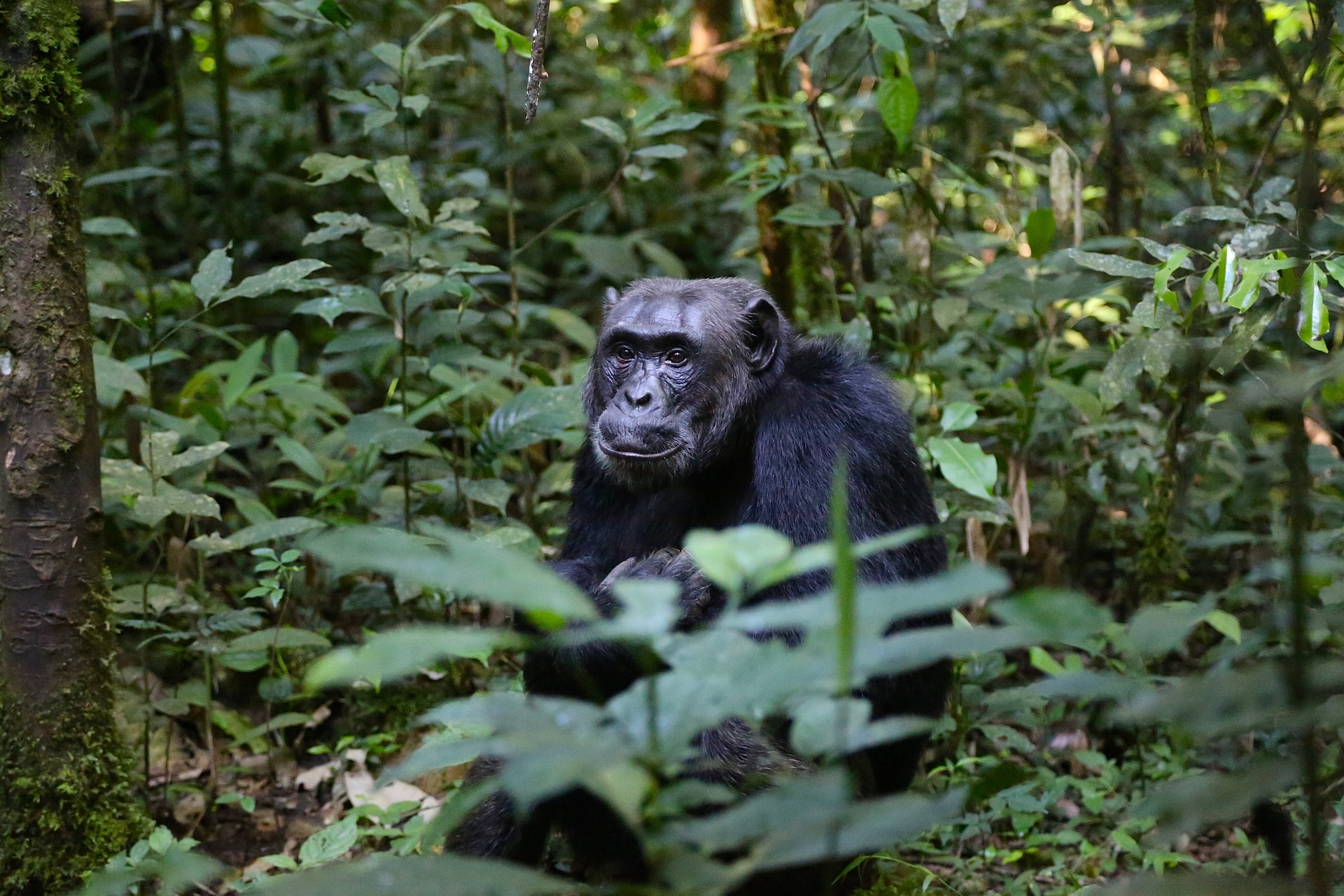
Chimpanzees (Pan troglodytes) are among the most intelligent and fascinating creatures in the animal kingdom. Native to the forests and savannas of Africa, these primates are known for their remarkable cognitive abilities, complex social structures, and close genetic relationship to humans. In this article, we will delve into the world of chimpanzees, exploring their physical characteristics, habitats, behaviors, and the challenges they face in the modern world.
Physical Characteristics
Chimpanzees are medium-sized primates with robust builds and distinctive features. Adult males typically weigh between 40 to 60 kilograms (88 to 132 pounds), while females are slightly smaller, weighing 32 to 47 kilograms (71 to 104 pounds). Standing on two legs, they can reach heights of up to 1.2 meters (4 feet).
Chimpanzees have long arms that extend well beyond their knees, allowing them to move efficiently through trees using a form of locomotion called brachiation. Their hands and feet are adapted for gripping, with opposable thumbs and big toes, enabling them to grasp branches and manipulate objects with precision. Their faces are expressive, with prominent brows, small noses, and lips capable of a wide range of expressions.
Habitat and Distribution
Chimpanzees are primarily found in the forests and savannas of central and western Africa, spanning over 20 countries. Their habitats range from dense tropical rainforests to open woodland savannas. Key regions include the Congo Basin, West African forests, and parts of East Africa.
The availability of food significantly influences their habitat choice. Chimpanzees rely on a diverse diet, including fruits, nuts, seeds, leaves, flowers, and occasionally meat. Their ability to adapt to different environments highlights their remarkable flexibility and survival skills.
Social Structure and Behavior
Chimpanzees live in highly dynamic and complex social groups known as communities, which can consist of 20 to 150 individuals. These communities are characterized by a fission-fusion dynamic, where smaller subgroups frequently form and dissolve throughout the day based on activities such as foraging or resting.
The social hierarchy in chimpanzee communities is dominated by males, with an alpha male typically leading the group. However, alliances and coalitions play a crucial role in maintaining and challenging dominance. Female chimpanzees also exhibit intricate social bonds, often forming alliances to protect their offspring or secure access to resources.
Chimpanzees are renowned for their advanced cognitive abilities. They use tools for various purposes, such as extracting termites from mounds with sticks or cracking nuts with rocks. Their ability to learn, imitate, and innovate demonstrates a level of intelligence comparable to early humans. Furthermore, they exhibit behaviors such as planning, problem-solving, and even mourning the loss of group members.
Communication and Language
Chimpanzees have a sophisticated system of communication that includes vocalizations, gestures, facial expressions, and body postures. Their vocal repertoire consists of hoots, screams, grunts, and barks, each serving specific purposes such as signaling danger, expressing excitement, or coordinating group movements.
In addition to vocal communication, chimpanzees use a variety of gestures to convey messages. For example, a chimpanzee may extend its hand to request food or use a play face to invite interaction. Research on captive chimpanzees has shown their ability to learn and use elements of human sign language, further highlighting their cognitive complexity.
Reproduction and Lifespan
Chimpanzees have a relatively slow reproductive rate, with females giving birth approximately every five to six years. Gestation lasts about 230 days, resulting in the birth of a single infant, though twins are rare. Mothers provide extensive care, nursing and protecting their young for several years. This extended dependency period allows infants to learn essential skills and behaviors by observing their mothers and other group members.
In the wild, chimpanzees have an average lifespan of 30 to 40 years, though some individuals can live up to 50 years or more in captivity under optimal conditions.
Threats and Conservation
Chimpanzees face numerous threats in the wild, many of which are driven by human activities. Habitat destruction due to logging, agriculture, and infrastructure development significantly reduces their living spaces. Additionally, poaching for bushmeat and the illegal pet trade further endanger their populations.
Diseases, particularly those transmitted from humans, pose another significant risk. As chimpanzees share about 98.7% of their DNA with humans, they are highly susceptible to many of the same diseases, including respiratory infections and Ebola virus outbreaks.
Conservation efforts are crucial to ensuring the survival of chimpanzees. Protected areas such as national parks and wildlife reserves play a vital role in safeguarding their habitats. Organizations like the Jane Goodall Institute and the World Wildlife Fund work tirelessly to promote conservation initiatives, conduct research, and raise awareness about the importance of protecting these remarkable primates.
Chimpanzees and Human Connection
The close genetic relationship between chimpanzees and humans has long intrigued scientists and anthropologists. Sharing nearly 99% of our DNA, chimpanzees provide valuable insights into human evolution, behavior, and genetics. Studies on their social structures, tool use, and communication have shed light on the roots of human culture and intelligence.
Notable research by primatologists such as Jane Goodall has transformed our understanding of chimpanzees. Her groundbreaking observations in Gombe Stream National Park revealed the depth of their emotional lives, social interactions, and cognitive abilities. Goodall’s work emphasized the need to view chimpanzees as individuals with unique personalities and intrinsic value.
Conclusion
Chimpanzees are extraordinary creatures that continue to captivate and inspire us with their intelligence, social complexity, and close kinship to humans. As one of our closest living relatives, they offer a window into our evolutionary past and a mirror to our own behaviors and societies.
However, the challenges they face underscore the urgent need for conservation efforts to protect them and their habitats. By supporting conservation initiatives and promoting coexistence, we can ensure that future generations will continue to marvel at the wonders of chimpanzees and the rich biodiversity of our planet.
A Marvel of the Animal Kingdom