
 By admin
Malaria remains one of the world’s most devastating and persistent infectious diseases, with an extensive impact on public health and socio-economic development, particularly in tropical and subtropical regions. Despite advances in both research and treatment, malaria continues to challenge global health systems and is one of the leading causes of morbidity and mortality worldwide. In this article, we will explore the complexities surrounding malaria—its epidemiology, transmission, symptoms, diagnosis, treatment, prevention strategies, and the ongoing challenges that hinder its eradication.
Understanding Malaria: The Basics
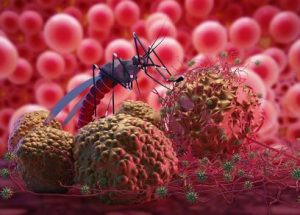
Malaria is a parasitic disease caused by the Plasmodium species, with five distinct types affecting humans. These species are Plasmodium falciparum, Plasmodium vivax, Plasmodium malariae, Plasmodium ovale, and Plasmodium knowlesi, with P. falciparum being the deadliest. The disease is primarily transmitted through the bite of an infected female Anopheles mosquito, which acts as the vector. After being bitten, the parasite enters the bloodstream, travels to the liver, and eventually infects red blood cells, leading to the clinical symptoms of malaria.
Malaria has been an issue for centuries, yet despite ongoing public health efforts, the disease still poses a significant threat to human health, particularly in areas with limited access to healthcare resources. In recent years, while the incidence of malaria has been reduced globally, the distribution of cases remains unequal, with the majority of cases and deaths concentrated in sub-Saharan Africa.
The Epidemiology of Malaria
The global burden of malaria is staggering, with an estimated 247 million cases and 619,000 deaths reported by the World Health Organization (WHO) in 2023. This figure highlights the continued threat of malaria, especially in regions where access to healthcare and preventive measures are limited. Sub-Saharan Africa accounts for over 90% of the cases and deaths, but other regions such as Southeast Asia, Latin America, and the Pacific Islands are also at risk.
Malaria incidence is highly variable and influenced by a range of factors, including environmental conditions, seasonal patterns, and population movement. Factors such as inadequate access to healthcare, poor sanitation, and economic instability contribute to the disease’s persistence in endemic areas. Regions with poor infrastructure, insufficient education on malaria prevention, and poverty are disproportionately affected.
In some countries, successful malaria control programs have led to dramatic reductions in cases. For instance, countries like Sri Lanka, China, and El Salvador have made significant strides in reducing malaria transmission, with some even reaching near-elimination status. However, in many other regions, progress has been slow, and the challenges of controlling the disease are formidable.
Transmission of Malaria
Malaria transmission is a multi-step process that requires a suitable environment for both the mosquito vector and the Plasmodium parasite. The disease is typically transmitted through the bite of an infected Anopheles mosquito, which injects sporozoites into the bloodstream while feeding on human blood. These sporozoites travel to the liver, where they mature and reproduce, eventually releasing merozoites back into the bloodstream, where they invade red blood cells and begin to multiply. This cycle of parasite growth in red blood cells leads to the destruction of the cells, which causes the characteristic symptoms of malaria, including fever, chills, and anemia.
The environmental conditions that favor Anopheles mosquito breeding, such as stagnant water, are critical to transmission. Mosquitoes breed in waterlogged environments, including rice paddies, marshes, and unkempt water storage containers. Climate factors, including temperature, rainfall, and humidity, also influence mosquito populations. In regions with consistent rainfall and warm temperatures, malaria transmission can occur year-round, while in areas with dry seasons, transmission may be more seasonal.
Additionally, human behavior and mobility contribute to the spread of malaria. People who migrate or travel to endemic areas may inadvertently introduce new cases, especially if they are asymptomatically infected. This dynamic complicates efforts to contain and eliminate the disease.
Clinical Symptoms of Malaria
The symptoms of malaria vary according to the species of Plasmodium involved, the individual’s immune status, and the severity of the infection. The onset of symptoms usually occurs between 7 to 30 days after an infected mosquito bite, depending on the species of Plasmodium and the individual’s health.
The most common and characteristic symptoms of malaria include:
- Fever and Chills: Intermittent fever is a hallmark symptom of malaria. The fever often follows a cyclical pattern, with patients experiencing intense chills followed by sweating as their body temperature spikes and then returns to normal.
- Headache: Severe headaches are frequently reported by individuals with malaria, especially during the febrile episodes.
- Fatigue and Weakness: This is due to anemia, caused by the destruction of red blood cells, and the overall impact of the infection on the body’s energy levels.
- Nausea and Vomiting: These symptoms are common, especially in children, and can exacerbate dehydration and fatigue.
- Muscle and Joint Pain: These symptoms are often described as part of the flu-like feeling that accompanies the fever.
- Anemia: The rupture of red blood cells leads to a decrease in the oxygen-carrying capacity of the blood, resulting in anemia. This can be life-threatening, particularly in severe malaria.
Severe malaria, most commonly caused by Plasmodium falciparum, can lead to complications such as:
- Cerebral Malaria: This is a life-threatening condition where the parasites accumulate in the brain’s blood vessels, leading to seizures, unconsciousness, and potentially permanent brain damage.
- Organ Failure: Malaria can lead to failure of vital organs such as the kidneys, liver, or lungs.
- Hypoglycemia: Especially in children, malaria can lead to dangerously low blood sugar levels.
- Acidosis: The body may become excessively acidic, leading to respiratory problems.
Without prompt treatment, severe malaria can lead to death, making early detection and treatment essential.
Diagnosis of Malaria
The accurate diagnosis of malaria is essential for effective treatment. It can be challenging to diagnose malaria, particularly in regions where healthcare infrastructure is limited and the disease symptoms overlap with those of other febrile illnesses.
- Microscopy: A blood smear is prepared by placing a drop of blood on a glass slide and staining it with special dyes. The blood is then examined under a microscope to identify the presence of Plasmodium parasites. This remains the gold standard for diagnosis but requires trained personnel and proper equipment.
- Rapid Diagnostic Tests (RDTs): RDTs have become a vital tool in malaria diagnosis, particularly in resource-limited areas. These tests detect specific antigens produced by the Plasmodium parasites and provide results within 15-20 minutes. While highly useful in many settings, RDTs may not be as sensitive in detecting low parasite densities or mixed infections.
- Polymerase Chain Reaction (PCR): PCR testing is a molecular technique that detects the genetic material of the parasite and is useful in detecting low levels of infection or mixed-species infections. PCR is typically used in research or specialized diagnostic settings rather than in routine clinical practice.
Given the limitations of diagnostic tests in endemic regions, clinical diagnosis often relies on a combination of symptoms and rapid tests. However, confirmatory testing remains important to ensure that patients receive the correct treatment.
Treatment of Malaria
The treatment of malaria is based on the type of Plasmodium infection, the severity of the disease, and the patient’s clinical condition. Treatment typically involves the use of antimalarial drugs, but drug resistance remains a significant obstacle.
- Artemisinin-based Combination Therapies (ACTs): ACTs are the first-line treatment for uncomplicated malaria caused by Plasmodium falciparum. These therapies combine artemisinin (derived from the plant Artemisia annua) with other antimalarial drugs to increase efficacy and reduce the likelihood of drug resistance.
- Chloroquine: In areas where resistance is not a concern, chloroquine is still used to treat infections caused by Plasmodium vivax and Plasmodium ovale. However, resistance to chloroquine is widespread, making it less effective in many parts of the world.
- Quinine and Quinidine: For severe malaria, intravenous quinine or quinidine may be administered in a hospital setting. These drugs are effective in killing the parasites but must be used with caution due to potential side effects.
- Primaquine: Primaquine is used to treat the liver stages of Plasmodium vivax and Plasmodium ovale, preventing relapses by eradicating dormant liver forms known as hypnozoites.
- Severe Malaria Treatment: For patients with severe malaria, intensive care and intravenous antimalarial drugs, such as artesunate or quinine, are necessary to stabilize the patient.
Challenges to Malaria Control and Eradication
The fight against malaria is hampered by several significant challenges, making it difficult to eliminate the disease:
- Drug Resistance: The emergence of drug resistance, particularly to artemisinin-based therapies, is one of the most pressing issues facing malaria control programs. In Southeast Asia, resistance to artemisinin has been reported, and its spread poses a serious threat to malaria treatment worldwide.
- Insecticide Resistance: Resistance to insecticides used in bed nets and indoor spraying is growing. This reduces the effectiveness of these preventive tools, which are crucial for malaria control.
- Environmental and Social Determinants: Climate change, migration, and urbanization contribute to malaria transmission. Poor housing conditions, lack of sanitation, and inadequate health services exacerbate the problem in many regions.
- Vaccine Development: While progress has been made in developing a malaria vaccine, challenges remain. The RTS,S/AS01 vaccine has shown partial efficacy, but it does not provide complete protection and is not yet universally available.
Prevention of Malaria
Preventing malaria involves reducing exposure to infected mosquitoes and targeting the parasite at different stages of its lifecycle:
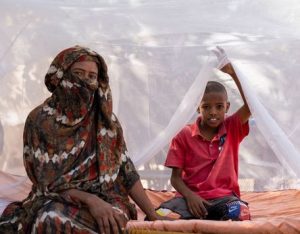
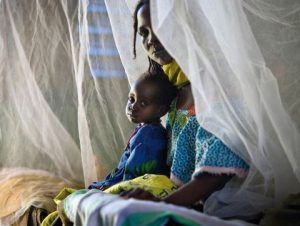
- Insecticide-treated bed nets (ITNs): These remain one of the most effective methods for preventing malaria transmission. ITNs not only protect individuals from mosquito bites but also reduce mosquito populations by killing mosquitoes that come into contact with the insecticide.
- Indoor Residual Spraying (IRS): IRS involves spraying insecticides on the walls of homes to kill mosquitoes resting indoors after feeding.
- Environmental Management: Eliminating mosquito breeding sites through proper sanitation, drainage of standing water, and the use of larvicides is essential to control mosquito populations.
- Chemoprevention: Intermittent preventive treatment during pregnancy (IPTp) and seasonal malaria chemoprevention (SMC) are strategies used in high-risk populations to reduce the burden of malaria.
- Vaccines: The RTS,S malaria vaccine offers partial protection, and ongoing research is focused on developing more effective vaccines.
Conclusion: The Path Toward Malaria Elimination
While malaria remains a major global health issue, significant progress has been made in reducing its burden. With continued global investment, technological innovations, and public health initiatives, there is hope that malaria can be eradicated in the coming decades. However, overcoming the challenges of drug resistance, insecticide resistance, and inadequate healthcare infrastructure requires coordinated global efforts.
Achieving malaria elimination will require sustained political commitment, increased funding, and innovative solutions to address the multifaceted challenges of this complex disease. Continued research and collaboration across borders are essential to end the suffering caused by malaria and prevent it from undermining the health and prosperity of vulnerable communities.
Understanding and Managing Acid Reflux