
 By admin
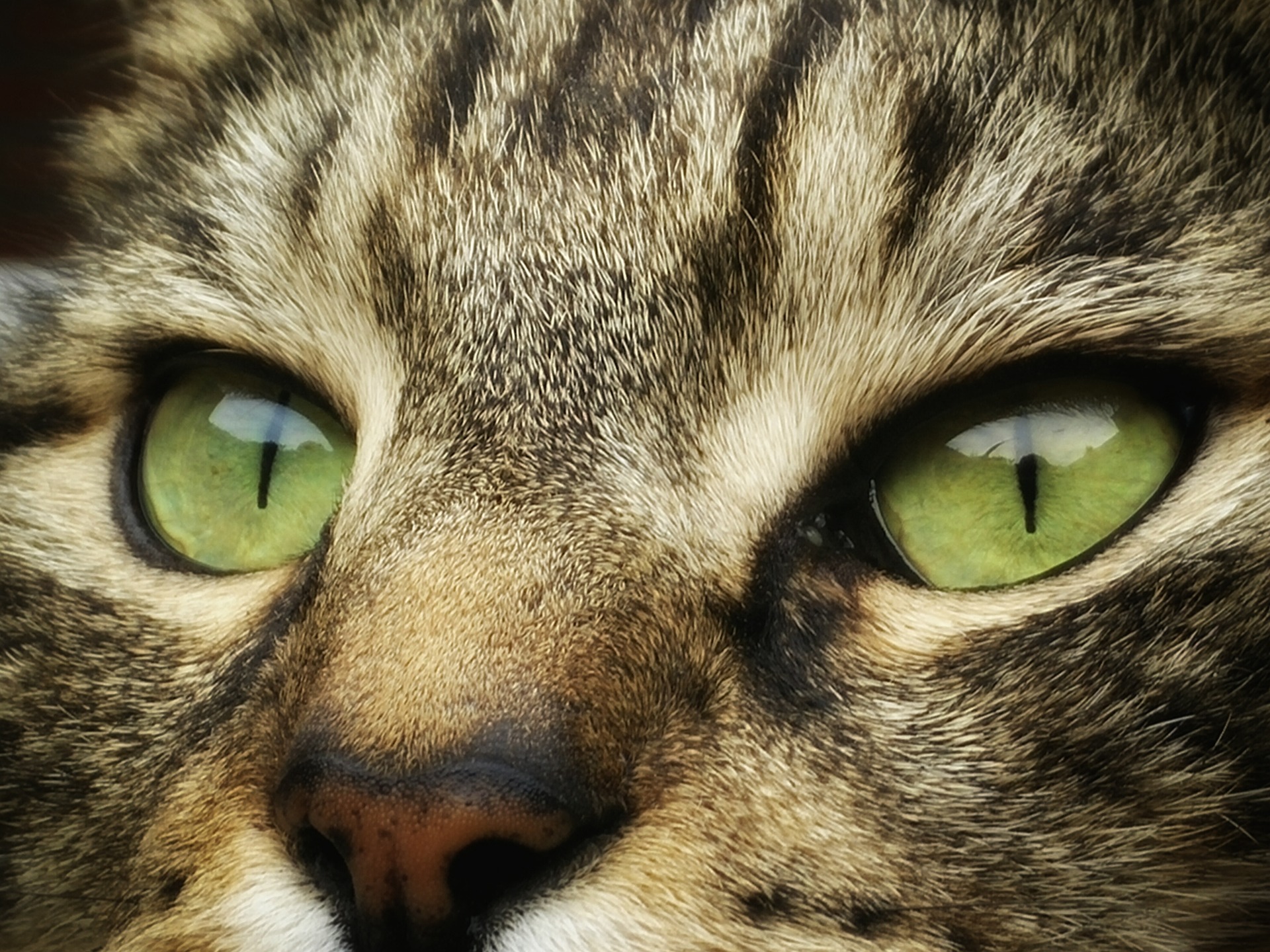
A Comprehensive History of Cats: From Wild Predator to Domestic Companion
Cats have an extraordinary history, one that intertwines with the development of human civilization itself. While today they are often seen as lovable, independent companions, this was not always the case. Their journey from elusive wild animals to cherished pets is a fascinating story of survival, adaptation, and mutual benefit. In this expanded account, we will delve deeper into the origins, cultural significance, and evolution of the domestic cat, exploring how it transformed from a wild hunter to a globally adored pet.
The Origins of Domestic Cats: From the Wild to the Homestead
It may seem hard to imagine, but cats were not always a part of human society. Their domestication is a relatively recent phenomenon in the broader timeline of life on Earth. The domestic cat, Felis catus, has only been living alongside humans for less than 10,000 years, which is a mere blink in the grand history of the planet. To understand how they became such a significant part of our lives, we need to look back to their wild ancestors.

The origins of domestic cats lie in the species Felis lybica, or the African wildcat. These small, solitary hunters roamed the regions stretching from the Middle East to North Africa, and their history is deeply intertwined with the dawn of human civilization. Unlike dogs, which were domesticated early on for their cooperation in hunting, herding, and protection, cats did not require humans to thrive in the wild. They were self-sufficient, hunting small prey such as rodents, birds, and insects, and surviving in a variety of habitats, from grasslands to forests.
However, this dynamic began to shift with the advent of agriculture.
The Agricultural Revolution: A Turning Point for Cats
Around 10,000 years ago, humans transitioned from a nomadic lifestyle to settled farming communities. This shift had profound effects on both humans and animals. With agriculture came the need to store surplus crops, particularly grains like wheat, barley, and rice. The storage of large quantities of grain provided an abundant food source not only for humans but also for pests, particularly rodents like mice and rats.
Rodents are natural scavengers, and their tendency to invade human food stores attracted predators. This is where cats came into the picture. Wildcats, drawn by the promise of easy prey, began to live near human settlements, where they kept the rodent population in check. The relationship between humans and cats began as a mutually beneficial one — cats provided a natural form of pest control, and humans, in turn, offered a steady food supply through the storage of grains.
The Early Days of Domestication: From Wildcat to Housecat
Although the relationship between humans and wildcats began as one of convenience, it eventually evolved into something more profound. Wildcats began to adapt to human settlements, and over time, they developed a tolerance for human presence. Some of these wildcats, especially the more docile individuals, became accustomed to living in close proximity to people.
The domestication of cats, unlike that of dogs, was likely a more passive process. Cats did not need humans for survival, nor did humans actively attempt to domesticate them in the way they did with dogs. Instead, it is believed that wildcats began to exhibit more friendly and less fearful behaviors over generations as they grew more accustomed to human settlements. This was a gradual process, with only the cats that were less aggressive and more tolerant of human presence thriving in these environments. Over time, these traits became more pronounced in the population of cats living near human settlements, leading to the emergence of the modern domestic cat.
Ancient Egypt: The Rise of the Cat as a Sacred Creature
The first recorded evidence of domestic cats appears in ancient Egypt, around 4,000 BCE. In Egypt, cats were not only revered as effective hunters but were also imbued with religious significance. Cats were associated with the goddess Bastet, the Egyptian goddess of home, fertility, and protection. Bastet was depicted as a lioness or as a woman with the head of a lioness or domestic cat. Cats, due to their grace, agility, and hunting prowess, were considered embodiments of the goddess’s protective qualities.
In ancient Egypt, cats were so highly regarded that they were often mummified and buried with their owners. It is believed that many Egyptians kept cats as pets, both for their hunting abilities and as symbols of protection. Some archaeological sites, particularly the necropolis at Bubastis, have uncovered thousands of mummified cats, signifying the reverence Egyptians held for these animals.
Furthermore, Egyptian law made it a crime to kill a cat, and the punishment for such an act was severe. This further highlights how integral cats were to Egyptian society and culture. They were seen not only as protectors of grain stores but also as spiritual guardians. The ancient Egyptians even exported cats to other parts of the Mediterranean, ensuring that their influence spread to neighboring regions.
Cats in Ancient Greece and Rome: Reverence and Role as Pest Control
As Egyptian civilization expanded its influence, so did the domesticated cat. Cats spread into Greece and Rome, where they were valued for their hunting abilities, particularly in controlling the rodent population. In ancient Greece, cats were admired for their grace and agility, and they were often featured in art and literature. While they were not worshipped to the extent they were in Egypt, cats were seen as practical and beneficial animals in both Greek and Roman societies.
The Romans, during their expansion across Europe, took cats with them to new territories. As they moved northward into Central Europe and westward to Britain, cats became valuable companions and pest controllers. They were commonly kept in homes, farms, and granaries. Romans understood the importance of cats in protecting food supplies, and cats were frequently mentioned in Roman texts.
In addition to their practical uses, cats were also valued as companions. There is evidence that cats were often kept as pets by the wealthy elite, and they were sometimes depicted in Roman art and mosaics.
The Vikings and Cats: A Symbol of Spiritual Power
In northern Europe, the Vikings, known for their exploration and warrior culture, also embraced cats. Cats were considered both practical and spiritual animals. The Viking goddess Freyja, associated with love, fertility, and war, was said to have a chariot pulled by enormous winged cats. This strong association between cats and Freyja, who was one of the most important figures in Norse mythology, further reinforced the idea of cats as mystical, powerful creatures.
Cats were highly regarded by Viking society, and it became customary to give new brides a kitten as a symbol of good fortune. The importance of cats to the Vikings extended beyond their roles as hunters — they were seen as magical creatures, associated with protection, prosperity, and fertility.
The Middle Ages: Persecution and Tragedy
Unfortunately, the history of cats took a dark turn during the Middle Ages. In Christian Europe, superstitions about cats began to spread. Cats were often associated with witchcraft and believed to be witches’ familiars, creatures that helped witches in their dark magical practices. As a result, many cats were killed during the witch hunts and associated purges.
This cruel treatment had dire consequences. The mass killing of cats led to an explosion in the rodent population, which in turn contributed to the spread of diseases such as the bubonic plague (the Black Death). The lack of cats to control the rat population allowed the plague to spread rapidly, causing the deaths of millions across Europe. In hindsight, the medieval persecution of cats seems particularly tragic, as it directly contributed to one of the deadliest pandemics in human history.
It wasn’t until the Renaissance, when scientific understanding improved and superstition began to wane, that cats regained some of their former prestige. By the 1600s, people in France, in particular, began to appreciate cats again for their abilities as rodent hunters. Small “cat doors” were installed at the bottoms of doors to allow cats to come and go freely, signifying their renewed importance in households.
Cats in Asia: Art, Culture, and Symbolism
While Europe experienced a dark period for cats, Asia continued to view them positively. In China, cats were often depicted in art, representing beauty, grace, and independence. Cats were symbols of good luck and were frequently painted in Chinese scrolls and drawings. In Japan, the Maneki Neko, or “beckoning cat,” is a popular cultural symbol. The Maneki Neko is often depicted as a cat sitting with one paw raised in a gesture that symbolizes good fortune, wealth, and success. These figurines are commonly found in businesses, especially in places where people hope to attract prosperity.
In addition to being symbols of good luck, cats in Asia were also appreciated for their role as protectors against pests. In Japan, for example, cats were often used to keep rice stores and grain silos free of rodents.

The Modern Age: Cats as Beloved Companions
In the modern world, cats are more popular than ever. They are found in homes around the globe, valued not only for their ability to control pests but also for their companionship, entertainment, and comforting presence. Today, cats are beloved members of many households, offering affection, emotional support, and sometimes even humor through their quirky behaviors.
The relationship between cats and humans has evolved significantly over the centuries. Once seen as mere tools for pest control, cats are now seen as complex, independent beings with unique personalities. The rise of social media and viral cat videos has further cemented their status as cultural icons. Cats like Grumpy Cat and Lil Bub have become global phenomena, adored by millions of people who follow their antics online.
Conclusion: The Enduring Legacy of Cats
The history of cats is as rich and diverse as the cats themselves. From their mysterious origins in the wild to their revered status in ancient Egypt, through the cruel treatment they endured in the Middle Ages, and their eventual rise as beloved companions in the modern world, cats have proven themselves to be resilient, adaptable, and endearing creatures.
Their ability to coexist with humans, providing companionship, comfort, and protection against pests, has solidified their place in homes across the globe. As we continue to learn more about their history, we develop a deeper appreciation for the unique personalities and talents that make our cats so special. Whether as ancient deities, skilled hunters, or cherished pets, cats have secured their place in the hearts and homes of people worldwide.