
 By admin
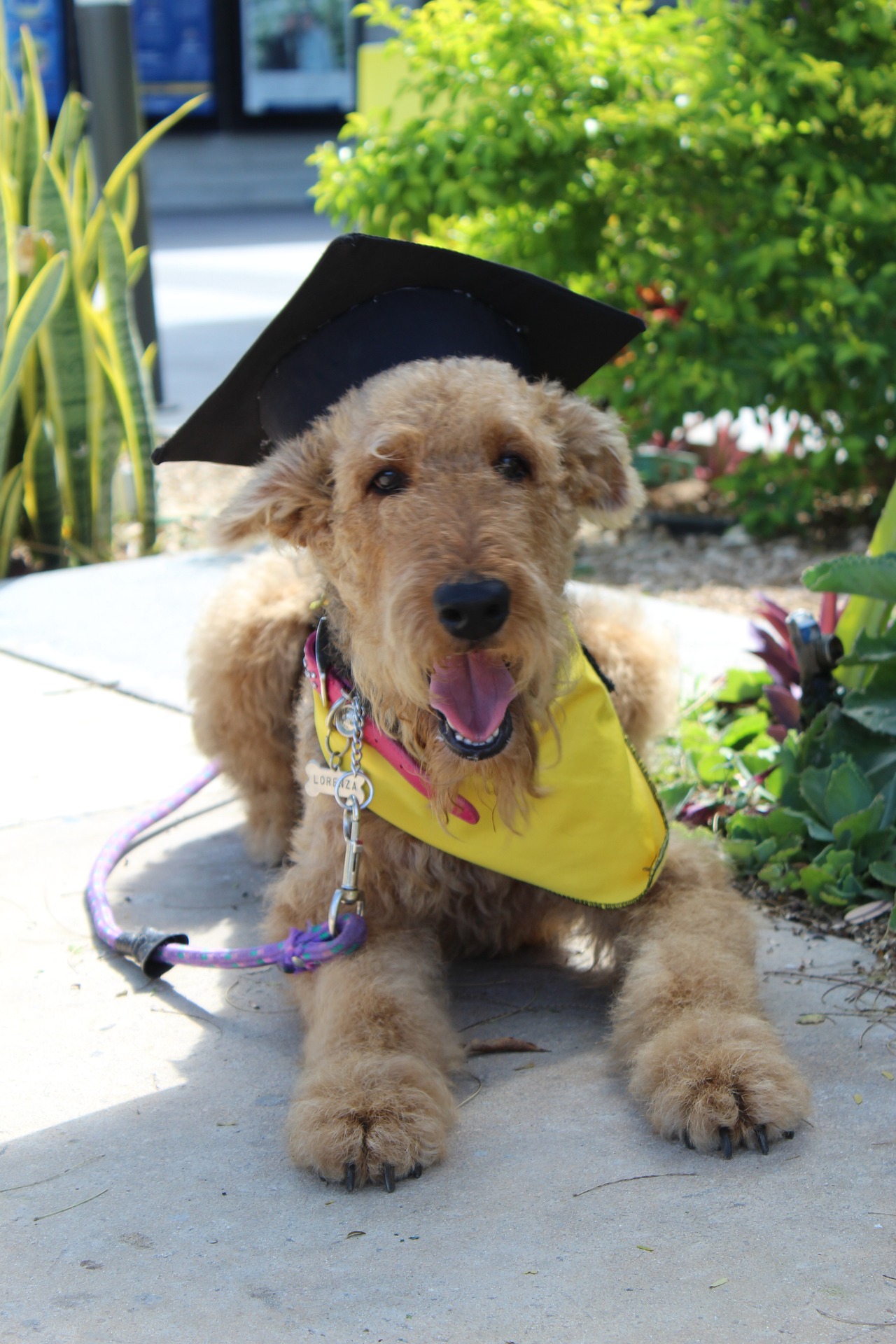
Expert Tips for Raising a Well-Behaved Airedale Terrier: A Comprehensive Guide
The Airedale Terrier, often referred to as the “King of Terriers,” is a spirited, intelligent, and loyal breed that makes for a wonderful companion. However, their energetic and independent nature can pose challenges when it comes to training and maintaining good behavior. In this guide, we’ll explore essential strategies to ensure your Airedale Terrier grows into a well-behaved and happy pet. Whether you’re a first-time dog owner or an experienced handler, these tips will provide invaluable insights into raising this remarkable breed.

1. Start Training Early: The Power of a Puppy’s Learning Curve
One of the most important principles in dog training is starting early. Puppies are incredibly impressionable, and their formative months are a critical period for shaping behavior. When your Airedale Terrier is still young, take advantage of this window to instill good habits and discourage undesirable behaviors. Early training not only makes it easier for your dog to grasp commands but also helps create a strong bond between you and your pet.
Why Early Training Matters:
- Faster Learning: Puppies are more adaptable and eager to learn new tricks or behaviors.
- Foundation for Life: Proper training during puppyhood becomes second nature, making it easier to reinforce good habits as your dog matures.
Begin with basic commands such as “sit,” “stay,” and “come.” Use positive reinforcement, such as treats and praise, to reward compliance and create a positive association with training.
2. Use Training Tools Responsibly: Be Firm but Gentle
There are numerous training tools and methods available, such as leashes, crates, and clickers. While these can be highly effective, it’s crucial to use them responsibly. Training should never involve fear, pain, or intimidation. Instead, focus on humane and constructive methods that encourage your Airedale Terrier to behave well out of trust and respect rather than fear.
Tips for Humane Training:
- Leash Training: Use the leash to guide and correct your dog gently, not to punish them. Avoid jerking or pulling excessively.
- Crate Training: Treat the crate as a safe and comfortable space rather than a place of punishment. This helps your dog view it as their den and not a cage.
- Positive Reinforcement: Reward good behavior immediately with treats, toys, or verbal praise to reinforce the desired actions.
By maintaining a balance of firmness and kindness, you’ll foster a cooperative and confident dog.
3. Observe Indoor Behavior to Predict Outdoor Behavior
Your Airedale Terrier’s behavior at home often mirrors how they’ll act in outdoor environments. Observing and addressing their habits inside the house can provide valuable insights into their potential responses to external stimuli.
How Indoor Behavior Reflects Outdoor Behavior:
- Listening Skills: If your dog doesn’t respond to commands inside, they’re unlikely to obey in a more distracting outdoor setting. Focus on reinforcing commands indoors before transitioning to outdoor training.
- Energy Levels: Monitor their energy and activity indoors to determine how much physical and mental stimulation they’ll need outside.
- Socialization Practice: Simulate outdoor scenarios at home, such as meeting strangers or hearing new sounds, to prepare your dog for real-world situations.
By addressing behavioral issues in a controlled indoor environment, you can set your dog up for success when exploring the great outdoors.
4. Keep Your Cool: Patience is Key
Training an Airedale Terrier can be a test of patience, but staying calm and composed is essential. Dogs are highly intuitive and can sense your emotions. Losing your temper or reacting negatively can undermine your training efforts and damage the trust between you and your pet.
How to Maintain Patience:
- Avoid Frustration: If you feel overwhelmed, take a break from training and revisit it when you’re in a better state of mind.
- Consistency Over Perfection: Focus on gradual progress rather than immediate results. Celebrate small victories along the way.
- Mindful Training Sessions: Keep training sessions short and engaging to prevent boredom or frustration for both you and your dog.
Remember, your Airedale Terrier isn’t misbehaving out of spite—they’re simply learning. Your calm and consistent approach will set the tone for effective training.
5. Timing is Everything: Correct and Reward at the Right Moment
Timing plays a critical role in dog training. Whether you’re correcting undesirable behavior or praising good conduct, your response must be immediate to ensure your dog makes the right connection.
The Importance of Timing:
- Catch Behavior Early: Correct misbehavior before it escalates. For example, if your dog starts chewing on furniture, redirect their attention to a chew toy immediately.
- Reward Promptly: Praise and reward your dog the moment they perform a desired action, reinforcing the positive behavior.
- Anticipate Misbehavior: Learn to recognize the signs that your dog is about to act out and intervene proactively.
With consistent timing, your Airedale Terrier will quickly understand the cause-and-effect relationship between their actions and your responses.
Additional Tips for a Happy and Well-Behaved Airedale Terrier
1. Provide Ample Exercise:
Airedale Terriers are an active and energetic breed that requires regular physical activity. Daily walks, playtime, and mental stimulation through puzzles or training games are essential to keep your dog happy and prevent destructive behaviors.
2. Socialize Early and Often:
Expose your Airedale Terrier to various environments, people, and other animals from a young age. Proper socialization helps reduce anxiety and ensures your dog behaves appropriately in different settings.
3. Establish Clear Rules:
Consistency is key when training any dog. Make sure all family members enforce the same rules to avoid confusing your pet. For instance, if jumping on furniture is not allowed, ensure everyone abides by this rule.
4. Enroll in Professional Training Classes:
If you’re struggling with specific behaviors or need additional guidance, consider enrolling your dog in obedience classes. Professional trainers can provide personalized advice and help address challenging behaviors effectively.
5. Be Attentive to Your Dog’s Needs:
Pay attention to your Airedale Terrier’s unique personality and preferences. Some dogs respond better to certain training methods than others, so be flexible and adapt your approach as needed.
Conclusion: Building a Lifelong Bond
Raising a well-behaved Airedale Terrier requires dedication, patience, and a genuine understanding of the breed’s characteristics. By starting training early, using humane methods, observing behavior, maintaining your composure, and perfecting your timing, you can cultivate a strong and harmonious relationship with your pet. With the right approach, your Airedale Terrier will not only become a well-mannered companion but also a loyal and loving member of your family.
A Natural Dog Diet at Home for Optimal Health