
 By admin
The Evolution of Basketball in the United States: History and Distinctive Features
Basketball, a sport deeply ingrained in American culture, has evolved into one of the most popular and influential games globally. From its humble beginnings in a gymnasium to becoming a multi-billion-dollar industry, basketball in the United States embodies the spirit of innovation, athleticism, and community. This article delves into the history of basketball in the U.S., its unique features, and its significant impact on sports and society.
Origins of Basketball in the United States
The history of basketball begins in December 1891, when Dr. James Naismith, a physical education instructor at the International YMCA Training School in Springfield, Massachusetts, invented the game. Faced with the challenge of engaging students indoors during the harsh New England winter, Naismith created a simple yet dynamic sport. Using a soccer ball and two peach baskets as goals, he introduced 13 basic rules, emphasizing skill over brute strength.

Basketball quickly gained popularity, spreading to other YMCAs across the country. By the early 20th century, colleges and universities adopted the game, leading to the formation of the first collegiate basketball teams. In 1936, basketball was included in the Olympic Games in Berlin, cementing its status as an international sport.
Development of Professional Basketball
The establishment of professional basketball leagues played a crucial role in the sport’s growth. In 1946, the Basketball Association of America (BAA) was founded, and three years later, it merged with the National Basketball League (NBL) to form the National Basketball Association (NBA). The NBA, now synonymous with basketball excellence, began to grow in stature, attracting top talent and expanding its audience.
Key milestones in the NBA’s history include the signing of African American players in the late 1940s, which broke racial barriers, and the rise of legendary players like Bill Russell, Wilt Chamberlain, and Kareem Abdul-Jabbar in the 1950s and 1960s. The introduction of the three-point line in 1979 revolutionized the game, adding a strategic dimension that appealed to fans and players alike.
The Influence of Collegiate Basketball
College basketball has been a cornerstone of the sport’s popularity in the United States. The NCAA Men’s Basketball Tournament, known as “March Madness,” captivates millions of fans annually. Its single-elimination format and the underdog stories contribute to its appeal. Collegiate programs, such as those at Duke University, the University of Kentucky, and the University of North Carolina, have become synonymous with excellence, producing numerous NBA stars.
Women’s college basketball has also flourished, thanks to programs like the University of Connecticut and Tennessee. Legendary figures like Pat Summitt and Geno Auriemma have elevated the women’s game, inspiring future generations of athletes.
Unique Features of Basketball in the U.S.
Athleticism and Skill
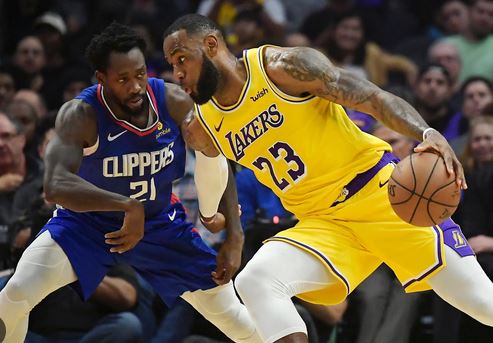
Basketball demands a unique combination of athleticism, skill, and strategy. Players need agility, speed, and precision to excel. The NBA, often regarded as the pinnacle of basketball, showcases these qualities at an elite level. Players like Michael Jordan, LeBron James, and Stephen Curry exemplify the blend of physical prowess and technical mastery that defines the sport.
Entertainment and Showmanship
American basketball is known for its emphasis on entertainment. NBA games are more than just sporting events; they are spectacles featuring music, dance performances, and fan engagement activities. The All-Star Weekend, including the Slam Dunk Contest and Three-Point Contest, highlights the sport’s flair and creativity.
Cultural Impact
Basketball has a profound cultural influence in the United States, particularly in urban communities. The sport’s accessibility—requiring only a ball and a hoop—makes it popular in cities, where courts become hubs for community interaction. Streetball, with its improvisational style, has contributed to basketball’s cultural richness, influencing professional players and fans alike.
Innovation and Technology
The U.S. leads in integrating technology into basketball. Advanced analytics have transformed coaching strategies, while innovations like wearable devices and performance-tracking software enhance player development. The NBA’s embrace of virtual reality and augmented reality offers fans immersive viewing experiences, setting new standards for sports entertainment.
Basketball’s Global Reach
Although basketball originated in the United States, it has become a global phenomenon, thanks in part to the NBA’s international outreach. The league hosts games overseas and fosters talent from around the world. International players like Dirk Nowitzki, Yao Ming, and Giannis Antetokounmpo have become global icons, bridging cultures through the universal language of basketball.
The U.S. has also maintained dominance in international competitions. The “Dream Team” of the 1992 Barcelona Olympics, featuring legends like Michael Jordan, Magic Johnson, and Larry Bird, showcased American basketball’s supremacy and inspired a global appreciation for the sport.
Challenges and Opportunities
Despite its success, basketball in the United States faces challenges. Issues like player burnout, injuries, and the commercialization of youth sports raise concerns. The rising costs of travel teams and training programs limit access for underprivileged athletes, threatening the sport’s inclusive nature.
However, these challenges also present opportunities for growth. Initiatives like the Jr. NBA program aim to make basketball more accessible, promoting participation at the grassroots level. The NBA’s commitment to social justice and community outreach underscores the sport’s potential to effect positive change.
The Future of Basketball in the United States
As basketball continues to evolve, its future in the United States looks promising. The integration of technology will further enhance the game, while initiatives to promote diversity and inclusion will broaden its appeal. The rise of women’s basketball, bolstered by the WNBA’s growing popularity, highlights the sport’s potential for greater gender equity.
The NBA’s focus on sustainability and global partnerships ensures that basketball remains at the forefront of sports innovation. As new stars emerge and the game adapts to modern challenges, basketball will continue to inspire and unite people across generations and cultures.

Conclusion
Basketball in the United States is more than just a sport; it is a cultural institution that reflects the nation’s values and aspirations. From its invention by James Naismith to its status as a global phenomenon, basketball has demonstrated remarkable adaptability and influence. Its unique blend of athleticism, entertainment, and community engagement ensures its enduring appeal. As the sport evolves, its legacy will undoubtedly continue to shape American society and inspire the world.