
 By admin

A Comprehensive History of Cigars and Tobacco: From Sacred Rituals to Global Luxury
Introduction
Few products in human history have traveled a path as intricate and controversial as tobacco, and even fewer have evolved into cultural symbols as powerful as cigars. Often associated with prestige, reflection, and celebration, cigars represent far more than a leisure activity. They embody centuries of agricultural mastery, cultural exchange, economic transformation, and artisanal craftsmanship. While modern imagery frequently links cigars to European aristocracy, business elites, and political leaders, their true story begins much earlier—deep within the spiritual traditions of Indigenous civilizations in the Americas.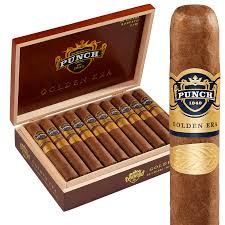
The journey of tobacco from sacred plant to global commodity reshaped trade routes, fueled colonial economies, inspired industrial innovation, and continues to influence modern debates on sustainability, regulation, and luxury consumption. Today’s premium cigar market is no longer dominated by a single region but reflects a diverse global ecosystem shaped by science, tradition, and evolving consumer preferences.
This article provides an in-depth exploration of the history of cigars and tobacco, tracing their origins, global expansion, industrial transformation, and modern renaissance. By understanding this evolution, one gains a deeper appreciation for the craftsmanship, cultural meaning, and historical significance contained in every carefully rolled cigar.
I. Ancient Origins: Tobacco as a Sacred and Medicinal Plant
Indigenous Civilizations and Spiritual Significance
Long before European explorers set foot in the Americas, tobacco played a central role in the spiritual, medicinal, and social lives of Indigenous peoples. Archaeological evidence suggests that tobacco cultivation dates back more than 6,000 years. Among the Maya, tobacco was regarded as a sacred substance capable of bridging the physical and spiritual worlds. Artistic depictions show deities and priests smoking rolled tobacco leaves, a precursor to the modern cigar.
Across North, Central, and South America, tobacco was integral to rituals of healing, divination, diplomacy, and communal bonding. Shamans believed tobacco smoke carried prayers to the gods, purified sacred spaces, and facilitated altered states of consciousness. Unlike today’s recreational use, tobacco consumption was deeply ceremonial and symbolic.
Early Forms of Tobacco Consumption
Indigenous societies consumed tobacco in various forms—smoking, chewing, snuffing, and topical applications. The rolled leaf, although rudimentary, laid the conceptual foundation for the cigar. Importantly, tobacco was not viewed as a vice but as a respected natural resource, reinforcing balance between humans and the environment.
II. The Columbian Exchange and Europe’s Discovery of Tobacco
First European Encounters
In 1492, Christopher Columbus and his crew encountered the Taíno people in the Caribbean, observing them smoking dried tobacco leaves rolled into tubes. Though initially confused by the practice, European sailors quickly adopted it. Tobacco seeds and leaves soon made their way back to Spain and Portugal, marking the beginning of tobacco’s global dissemination.
Tobacco’s Rapid Spread Across Europe
By the mid-16th century, tobacco had spread throughout Europe, promoted as a medicinal remedy for ailments ranging from headaches to digestive disorders. Jean Nicot, the French ambassador to Portugal, famously introduced tobacco to the French royal court, leading to the botanical naming of Nicotiana tabacum. Smoking, snuffing, and pipe use became fashionable among elites and scholars.
Initially controversial and even condemned by religious and political authorities, tobacco nevertheless gained widespread acceptance due to its perceived benefits and addictive properties. Governments soon recognized its economic potential, laying the groundwork for large-scale cultivation.
III. Colonial Expansion and the Birth of the Tobacco Economy
Tobacco as an Economic Lifeline
The establishment of tobacco plantations in the New World transformed colonial economies. In 1612, John Rolfe successfully cultivated tobacco in Jamestown, Virginia, creating a profitable export that saved the struggling colony. Tobacco soon became the backbone of colonial trade in Virginia and Maryland.
However, this prosperity came at a grave human cost. Plantation systems relied heavily on enslaved labor, embedding tobacco deeply within the tragic history of exploitation and forced migration.
The Dominance of Pipes and Snuff
During the 17th and 18th centuries, tobacco consumption in Europe was dominated by pipes and snuff. Cigars, though present in Spanish colonies, remained a niche product. It was in Cuba, under Spanish rule, that cigar craftsmanship quietly flourished, refined by skilled local rollers whose techniques would later define global standards.
IV. The Rise of the Cigar: A Cultural and Industrial Revolution
Cigars Enter the United States
The cigar gained traction in the United States through cultural exchange and military influence. General Israel Putnam is credited with introducing Havana cigars to Connecticut in the late 18th century. Their popularity spread rapidly, leading to the establishment of cigar factories in New England using imported Cuban tobacco.
By the early 19th century, cigar smoking had become a distinctly American habit, symbolizing sophistication and leisure.
Europe’s Cigar Awakening
In Europe, the Peninsular War (1807–1814) played a pivotal role in popularizing cigars. British and French soldiers stationed in Spain adopted the local smoking custom, bringing it home upon their return. The cigar soon replaced pipes among fashionable urban elites, writers, and military officers.
European manufacturers began producing cigars domestically, experimenting with tobacco from colonies such as Sumatra and the Philippines. This diversification introduced regional cigar styles and reduced reliance on Cuban imports.
V. Industrialization and the Golden Age of Cigars
Technological Innovations
The 19th century marked the golden age of cigars. Innovations such as the cigar mold standardized shapes and sizes, while improved cutting tools increased efficiency. Despite mechanization, hand-rolling remained the hallmark of premium cigars.
Cuban brands like Partagás, H. Upmann, and Montecristo became global symbols of excellence. Cigars transcended social class, enjoyed by laborers and magnates alike.
Cigars as Cultural Icons
Cigars became inseparable from political power, intellectual discourse, and artistic expression. Iconic figures such as Winston Churchill, Sigmund Freud, and Mark Twain elevated the cigar’s image as a symbol of authority, contemplation, and individuality.
VI. The Twentieth Century: Disruption and Global Transformation
The Cuban Revolution and U.S. Embargo
The Cuban Revolution of 1959 and the subsequent U.S. embargo dramatically altered the cigar industry. Cut off from its largest market, Cuba faced economic hardship, while exiled cigar makers relocated to neighboring countries.
The Rise of New World Cigar Powerhouses
Countries such as the Dominican Republic, Nicaragua, and Honduras emerged as leading producers of premium cigars. These regions combined fertile soil, favorable climates, and Cuban expertise to create cigars that rivaled—and in some cases surpassed—traditional Cuban offerings.
This shift permanently diversified the global cigar market and introduced new flavor profiles and brand identities.
VII. Modern Cigar Craftsmanship: Science Meets Tradition
Terroir and Tobacco Cultivation
Modern cigar production emphasizes the concept of terroir. Soil composition, climate, altitude, and farming techniques all influence tobacco flavor. Renowned regions such as Cuba’s Vuelta Abajo, Nicaragua’s Jalapa Valley, and the Dominican Cibao Valley produce distinct and celebrated tobacco leaves.
The Art of Blending
Blending is the heart of cigar creation. Master blenders combine filler, binder, and wrapper leaves from different priming levels to achieve balance, complexity, and consistency. This meticulous process transforms raw agricultural material into a refined luxury product.
VIII. Contemporary Trends and the Future of Cigars
A New Generation of Aficionados
Today’s cigar enthusiasts are more informed and globally connected than ever. Online platforms, digital reviews, and social communities have democratized access to knowledge and premium products.
Boutique cigars, limited editions, and stronger blends are gaining popularity, reflecting evolving tastes and experimentation.
Sustainability and Ethical Responsibility
The modern cigar industry faces growing pressure to adopt sustainable and ethical practices. Initiatives focus on organic farming, water conservation, fair labor conditions, and long-term soil health. Sustainability is no longer optional—it is essential for future growth.
Conclusion
The history of cigars and tobacco is a complex narrative shaped by spirituality, commerce, innovation, and resilience. From sacred Indigenous rituals to modern luxury lounges, the cigar has continuously evolved while retaining its symbolic power. It has survived cultural opposition, political upheaval, and shifting consumer values because it offers more than consumption—it offers ritual, craftsmanship, and connection.
As the industry moves forward, its success will depend on balancing tradition with innovation, honoring its cultural roots while embracing sustainability and global diversity. For modern aficionados, each cigar is not merely a product, but a living story—one that draws together centuries of human history with every measured draw.
The New Era of Smart Contact Center Monitoring