
 By admin
The Fantastic Use and Great Advantages of Hybrid Cars
Introduction
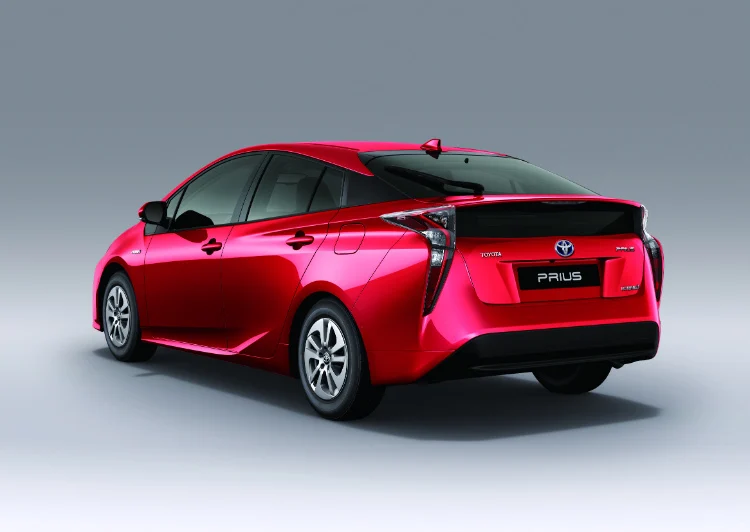
In an era where climate change, air pollution, and rising fuel prices dominate global concerns, hybrid cars have emerged as one of the most promising solutions in the automotive industry. These innovative vehicles combine the benefits of traditional gasoline-powered engines with electric motors, delivering improved fuel efficiency, reduced emissions, and enhanced overall performance. Once considered a niche product, hybrid cars are now a mainstream choice for environmentally conscious drivers, urban commuters, and even businesses seeking sustainable transportation options.
Hybrid technology not only addresses the challenges of reducing dependency on fossil fuels but also provides practical advantages such as lower operating costs, government tax incentives, and long-term value retention. With advancements in battery design, regenerative braking systems, and intelligent energy management, hybrid cars continue to evolve, making them more efficient and accessible than ever before.
This article explores the advantages of hybrid cars, how they work, and why they represent a smart choice for today’s drivers.
What Is a Hybrid Car?
A hybrid car is a vehicle that combines a gasoline engine with an electric motor to optimize performance while minimizing fuel consumption. Unlike purely electric vehicles (EVs) that rely entirely on battery power, hybrids use both power sources interchangeably or together, depending on driving conditions.
How Hybrid Cars Work
- Gasoline Engine – Provides traditional power, especially at higher speeds or when stronger acceleration is needed.
- Electric Motor – Offers clean energy and is most efficient in stop-and-go traffic or at lower speeds.
- Battery Pack – Stores electricity that powers the electric motor, charged by regenerative braking or the gasoline engine.
- Regenerative Braking System – Converts kinetic energy from braking into electricity, recharging the battery without external charging.
This combination allows hybrid cars to significantly cut down fuel use and harmful emissions without the need to plug into an outlet, unlike fully electric vehicles.
The Driving Forces Behind Hybrid Cars
The development and popularity of hybrid cars stem from two global concerns:
- Environmental Protection – With vehicles being one of the largest contributors to greenhouse gases, hybrids offer a practical way to reduce carbon dioxide (CO₂) emissions and improve air quality.
- Economic Efficiency – Rising fuel costs have pushed consumers to seek alternatives that maximize mileage without sacrificing convenience or performance.
By addressing both environmental and financial concerns, hybrid cars strike a balance between sustainability and everyday practicality.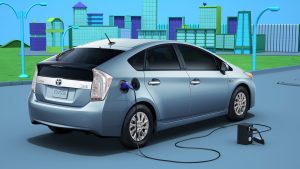
Key Advantages of Hybrid Cars
1. Lower Pollution and Reduced Carbon Emissions
One of the most significant benefits of hybrid cars is their positive impact on the environment. Traditional cars release harmful pollutants such as carbon dioxide, nitrogen oxides, and particulate matter into the atmosphere. These emissions contribute to global warming, respiratory diseases, and the deterioration of the ozone layer.
Hybrid cars, on the other hand, use electric power to reduce reliance on gasoline, resulting in lower emissions. According to the U.S. Environmental Protection Agency (EPA), hybrids can cut greenhouse gas emissions by 30–50% compared to conventional cars. This makes them a vital tool in combating climate change and creating cleaner urban environments.
2. Superior Fuel Efficiency and Mileage
Hybrid vehicles are designed to get the most out of every drop of fuel. By alternating between electric and gasoline power, hybrids reduce unnecessary fuel consumption. For example, in city driving with frequent stops and starts, hybrids rely more on the electric motor, conserving gasoline. On highways, the gasoline engine provides steady power while still benefiting from electric support.
Modern hybrids can achieve 50–60 miles per gallon (mpg) or even more, compared to the average 25–30 mpg of conventional cars. This efficiency not only saves drivers money but also reduces dependence on non-renewable fossil fuels.
3. Tax Incentives and Government Rebates
Many countries, including the United States, Canada, Japan, and members of the European Union, provide financial incentives to encourage eco-friendly car ownership. These may include:
- Federal or state tax credits.
- Reduced vehicle registration fees.
- Exemptions from congestion charges in major cities.

For example, U.S. buyers may receive tax credits ranging from $1,000 to $7,500 depending on the type of hybrid vehicle purchased. These incentives make hybrids not only environmentally appealing but also economically rewarding.
4. Strong Resale Value and Long-Term Investment
Hybrid cars often retain higher resale value than standard gasoline cars. As more consumers seek fuel-efficient and environmentally friendly vehicles, demand for used hybrids continues to grow. This means that owners can expect better returns when selling or trading in their hybrid vehicles.
Although hybrids may cost more upfront, their long-term value, fuel savings, and government incentives balance out the initial investment.
5. Efficiency Without Compromising Performance
One misconception about hybrids is that they lack power compared to conventional cars. However, hybrid technology has advanced significantly over the past two decades.
- Smaller but Efficient Engines – The gasoline engine in a hybrid car is designed to be smaller and more efficient because it works in partnership with the electric motor.
- Instant Torque – Electric motors deliver instant torque, improving acceleration and responsiveness.
- Freeway Speeds with Ease – Modern hybrids can comfortably reach and maintain highway speeds without consuming excessive fuel.
Hybrids today strike an impressive balance between efficiency and performance, making them suitable for both city commuting and long-distance travel.
6. Innovative Technology and Smart Features
Hybrid cars are often equipped with cutting-edge technology that enhances both performance and convenience. Features include:
- Regenerative Braking Systems – Converts braking energy into stored electricity.
- Start-Stop Technology – Automatically shuts off the gasoline engine when idling to save fuel.
- Eco-Driving Modes – Optimize energy use based on driving conditions.
- Advanced Safety Systems – Many hybrids are equipped with lane-assist, adaptive cruise control, and collision-avoidance features.
This makes hybrids some of the most advanced vehicles on the road, appealing to tech-savvy consumers as well as eco-conscious drivers.
The Challenges of Hybrid Cars
Despite their many advantages, hybrid cars do face certain challenges:
- Higher Initial Cost – Hybrids are generally more expensive than conventional cars, although government incentives and long-term savings help offset this.
- Battery Replacement Costs – Hybrid batteries are durable, often lasting 8–10 years, but replacement can be costly if needed.
- Limited Availability in Some Regions – Not all markets have a wide selection of hybrid models.
However, as technology advances and production costs decrease, hybrids are becoming increasingly affordable and accessible worldwide.
The Future of Hybrid Vehicles
Hybrid cars are not just a temporary solution—they are an essential step toward the future of sustainable mobility. While electric vehicles (EVs) are gaining traction, hybrids serve as a bridge technology, allowing consumers to experience the benefits of electrification without the limitations of charging infrastructure.
Looking ahead:
- Next-generation batteries will increase energy storage and reduce costs.
- Plug-in hybrids (PHEVs) offer even more electric-only range for daily commutes.
- Global policies promoting clean energy will continue to expand the hybrid market.
According to the International Energy Agency (IEA), hybrid and electric vehicles could represent over 50% of global car sales by 2035, with hybrids remaining a major part of the transition.
Conclusion
Hybrid cars represent a revolutionary step in automotive technology, balancing efficiency, performance, and sustainability. By combining gasoline engines with electric motors, they reduce fuel consumption, cut harmful emissions, and deliver long-term savings for drivers. Their advantages extend beyond environmental benefits, including tax incentives, higher resale values, and advanced features that enhance the driving experience.
While the initial cost may still be a barrier for some consumers, hybrids are an investment that pays off in fuel savings, lower emissions, and increased long-term value. As technology continues to improve, hybrid cars will remain at the forefront of sustainable transportation, paving the way for a cleaner, greener, and more energy-efficient future.
Picking an eBook Compiler That Works