
 By admin
Barrel Horse Racing: Rules, Challenges, and Solutions
Introduction
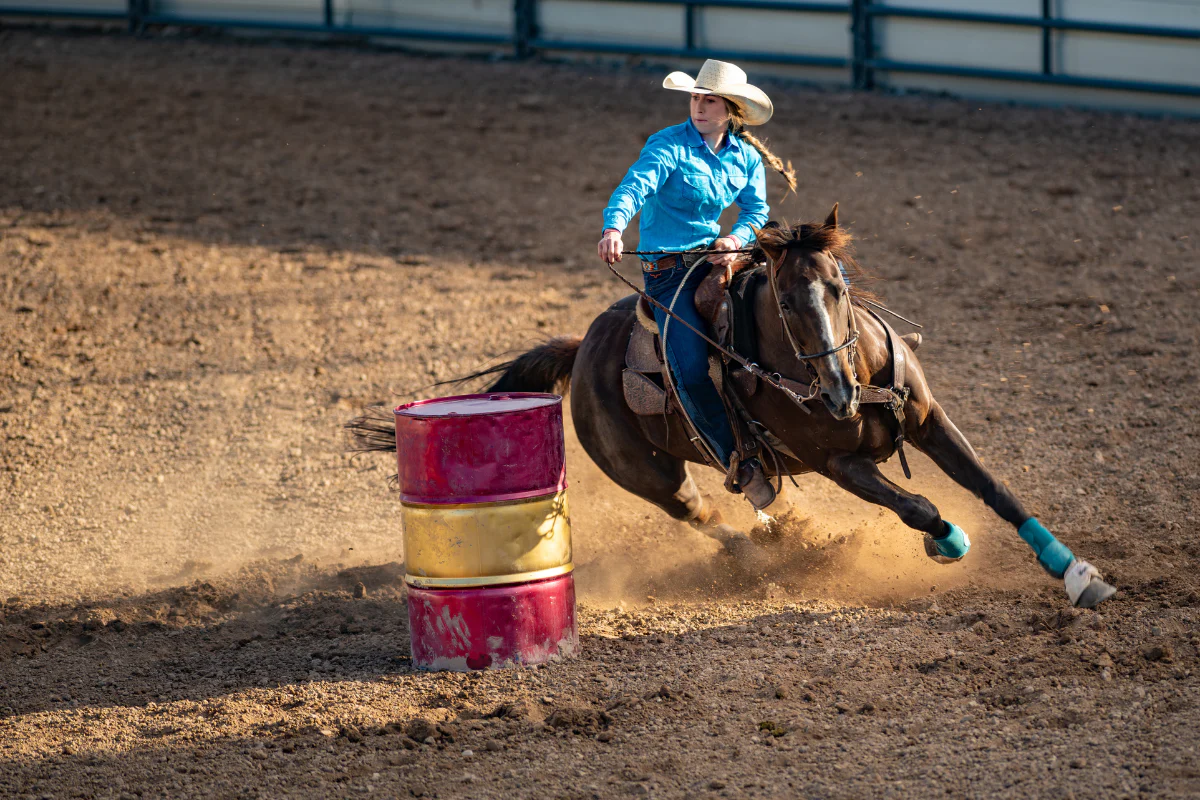
Barrel horse racing, once a niche event born out of rodeo culture for wives and girlfriends of cowboys, has transformed into one of the most dynamic and inclusive equestrian sports worldwide. This fast-paced competition is not just about horses running in circles—it is about precision, athleticism, training, and the extraordinary bond between horse and rider.
Today, barrel racing is a featured sport in professional rodeos, equestrian clubs, and youth competitions. Its popularity has expanded beyond North America, reaching countries in Europe, Australia, and even parts of Asia, where the equestrian community is steadily growing. With its thrilling speed, high stakes, and challenging technical requirements, barrel horse racing continues to captivate both riders and audiences.
In this article, we will dive into the fundamentals of barrel horse racing, its rules, the role of the horse and rider, the most common challenges faced during races, and strategies to overcome them. Whether you are a newcomer curious about the sport or an aspiring barrel racer, this guide will provide you with a comprehensive overview of everything you need to know.
Understanding Barrel Horse Racing
The Core Concept
At its heart, barrel racing is a timed event where a horse and rider team navigate a cloverleaf pattern around three barrels positioned in an arena. The goal is simple yet highly demanding: complete the course as fast as possible without knocking down any barrels. Precision is as important as speed—hitting a barrel typically results in penalties or outright disqualification.
Standard Arena Setup
The layout consists of three barrels forming an isosceles triangle. The general distance between barrels is about 90 feet, but it may vary depending on arena size, ranging from 60 to over 100 feet. The rider begins at the start line, sprints toward the first barrel at an angle, and completes a tight turn around it. They then proceed to the second barrel, turning in the opposite direction, before circling the third barrel in the same direction as the second. Finally, the rider accelerates toward the finish line, where every fraction of a second counts.
Governing Bodies and Rules
Organizations like the Women’s Professional Rodeo Association (WPRA) and the Professional Rodeo Cowboys Association (PRCA) set rules and oversee competitions. While distances and arena sizes may differ slightly, the fundamental rules remain consistent: the horse must follow the cloverleaf pattern, no barrels should be knocked down, and the fastest time wins.
The Role of Horse and Rider
Horse Breeds in Barrel Racing
While any athletic horse can attempt barrel racing, certain breeds excel due to their agility, speed, and intelligence. The American Quarter Horse is the most popular choice because of its explosive acceleration and ability to make quick, tight turns. Other breeds like the Appaloosa, Paint Horse, and even some Thoroughbreds are also used in competition.
The Rider’s Skills
A barrel racer must combine balance, timing, and communication with their horse. Riders use subtle cues—such as leg pressure, rein adjustments, and body positioning—to guide the horse smoothly around the barrels. The sport requires not only physical strength but also mental focus, as decisions must be made in split seconds at high speeds.
Training for Success
Successful teams rely on rigorous training that combines conditioning, practice runs, strength training, and trust-building exercises. Horses must be conditioned to maintain speed while turning sharply, and riders must master techniques for entering barrels at the right angle, maintaining rhythm, and finishing strong.
Common Problems in Barrel Horse Racing
Despite its straightforward rules, barrel racing comes with significant challenges. Riders often face recurring issues that can hinder performance, and overcoming them requires patience, strategy, and experience.
1. The First Barrel: The “Money Barrel”
The first barrel is often referred to as the money barrel because it typically determines whether a run will be successful. Horses enter the arena at top speed, which makes the first turn particularly difficult.
- Problem: Horses often overshoot the first barrel due to lack of control or “rate” (the ability to slow down while maintaining momentum). This can lead to either knocking the barrel over or taking a wide turn, which wastes valuable time.
- Solution: Riders can address this through training focused on rate and control, teaching the horse to approach the barrel at speed but prepare for the turn. Drills that simulate first barrel approaches and controlled slow-downs are effective.
2. Barrel Sour or Ring Sour Horses
Some horses develop resistance to entering the arena, a condition known as being barrel sour or ring sour. This often happens due to over-practice, stress, or burnout from repetitive routines.
- Problem: A horse reluctant to enter the arena disrupts focus and performance, often costing the rider precious seconds or causing disqualification.
- Solution: Giving the horse time off from barrel racing and incorporating alternative activities like trail riding or other forms of training can restore enthusiasm. Varying routines helps prevent burnout.
3. Horses Without Brakes
Speed is essential in barrel racing, but control is equally important. Some horses may lack responsiveness to cues to slow down or stop, making turns dangerous and increasing the risk of penalties.
- Problem: A horse without brakes may overrun barrels, knock them down, or even lose balance.
- Solution: Training should emphasize slower gaits and progressive control. Riders should only increase speed once they are confident the horse responds well to halting commands and directional cues.
4. Knocking Down Barrels
Even experienced riders face the issue of knocking down barrels. A single mistake can mean the difference between victory and disqualification.
- Problem: Misjudging distance, miscommunication between horse and rider, or overly tight turns often cause barrels to fall.
- Solution: Precision drills, focusing on maintaining the right distance from the barrels, can minimize this risk. Riders often practice with cones or markers before moving back to barrels.
5. Rider Nerves and Mental Pressure
Barrel racing is as much a mental challenge as it is physical. Riders, especially beginners, often suffer from nerves that affect timing, balance, and decision-making.
- Problem: Nervous riders may cue their horses incorrectly or hesitate, leading to slower times.
- Solution: Mental preparation, visualization techniques, and experience in different competition settings help riders build confidence and maintain focus under pressure.
Safety Considerations
For the Horse
Horses are athletes, and like any athletes, they are prone to injuries. Common injuries include joint strain, ligament damage, and sore muscles. Ensuring proper warm-ups, cool-downs, and adequate rest periods between competitions is essential. Regular veterinary checkups, balanced diets, and proper hoof care also contribute to long-term health.
For the Rider
Barrel racing involves high speeds and tight turns, which can result in falls or collisions. Riders should always wear appropriate gear, including helmets, boots, and protective vests. Training under supervision and gradually building speed reduce the risk of accidents.
Modern Developments in Barrel Racing
Technology in Training
Advances in equestrian technology have improved training efficiency. Tools like video analysis, heart rate monitors, and GPS trackers help trainers assess horse performance and rider positioning with precision.
Global Expansion
While barrel racing has deep roots in the American West, it is spreading internationally. Countries like Brazil, Canada, and France now host major barrel racing events, and the sport’s popularity is growing in equestrian clubs worldwide.
Youth and Amateur Participation
The sport is no longer limited to professional cowboys and cowgirls. Youth leagues, amateur divisions, and even all-inclusive rodeo events are opening opportunities for riders of all ages and skill levels.
Conclusion
Barrel horse racing is more than just a rodeo event—it is a thrilling sport that combines speed, precision, and trust between horse and rider. From navigating the “money barrel” to overcoming challenges like barrel sour horses and control issues, success requires dedication, training, and adaptability.
While the sport comes with its share of common problems, solutions exist through careful training, proper horse care, and mental preparation. With the rise of modern training tools, global competitions, and increased accessibility, barrel racing continues to grow as one of the most exciting equestrian sports in the world.
Whether you are a spectator fascinated by the adrenaline rush or a rider striving for the perfect run, barrel horse racing remains a discipline that celebrates partnership, skill, and the pursuit of excellence.
The Small Dog with a Big Personality