
 By admin
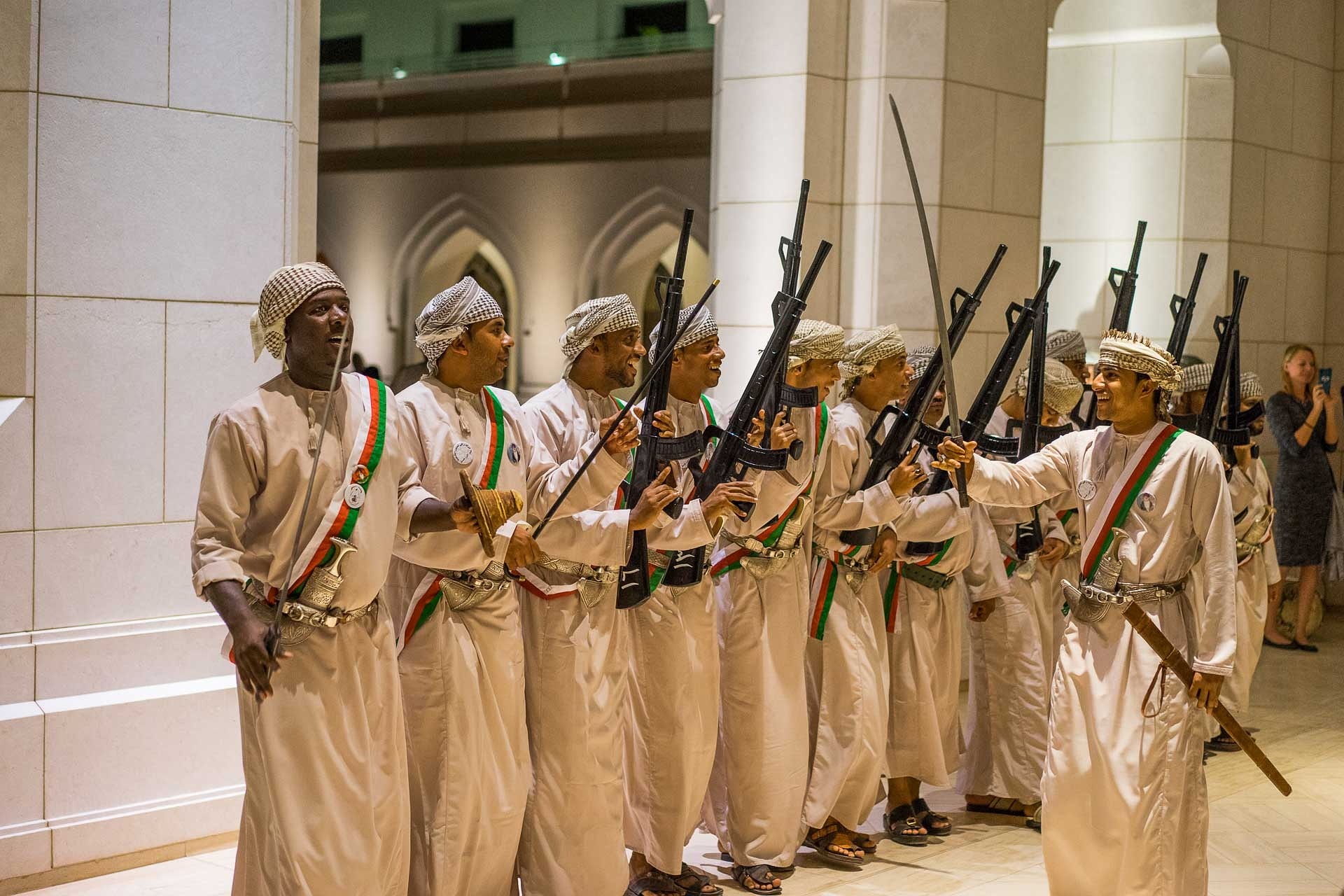
Sultanate of Oman: A Jewel of the Arabian Peninsula
The Sultanate of Oman, an enchanting country located on the southeastern coast of the Arabian Peninsula, is often overshadowed by its more widely known neighbors like the United Arab Emirates (UAE) and Saudi Arabia. However, Oman offers a distinctive blend of rich history, diverse landscapes, cultural heritage, and progressive governance that sets it apart as a gem of the Middle East. Whether it’s the pristine beaches along the Indian Ocean, the ancient forts that tell tales of a once powerful empire, or its commitment to sustainability and peace, Oman presents a remarkable narrative of growth and innovation.
In this article, we will delve into the various facets of Oman that make it a fascinating destination, exploring its geography, culture, history, political structure, economy, and the challenges it faces in the modern world. With a focus on keywords such as Oman culture, Oman economy, tourism in Oman, history of Oman, Oman governance, and Oman landscapes, this article aims to provide an in-depth understanding of the Sultanate of Oman.
Geography and Landscapes of Oman
Oman is strategically located at the crossroads of the Arabian Sea and the Persian Gulf, with its coastline stretching over 3,000 kilometers. It shares borders with the UAE to the northwest, Saudi Arabia to the west, and Yemen to the southwest. The country’s geographic diversity is astounding, featuring deserts, mountains, fertile plains, and stunning coastlines. Its landscapes provide the perfect backdrop for outdoor enthusiasts and nature lovers, making Oman a country with unique environmental features.
- The Coastal Beauty of Oman
The Sultanate of Oman boasts one of the most beautiful coastlines in the Arabian Peninsula. With beaches that stretch from the eastern coast along the Arabian Sea to the Gulf of Oman, Oman’s beaches offer a mix of tranquil shores, dramatic cliffs, and clear turquoise waters. Among the most famous coastal areas is the Al Ashkharah Beach, a perfect destination for swimming, diving, and relaxation.
Another notable coastal area is the Musandam Peninsula, which juts out into the Strait of Hormuz. Known as the “Norway of Arabia,” Musandam is renowned for its dramatic fjords, crystal-clear waters, and diverse marine life. This area offers a rich marine ecosystem and is a popular spot for scuba diving, snorkeling, and dhow cruises.
- The Majestic Mountains
The Al Hajar Mountains, the highest mountain range in Oman, run parallel to the coast and provide a stunning contrast to the desert terrain. These mountains, with peaks that rise above 3,000 meters, are known for their rugged beauty, deep wadis (valleys), and scenic views. The famous Jebel Akhdar, also known as the “Green Mountain,” is a highlight of these mountains. It is lush with terraced farming and has a cooler climate due to its elevation, making it an attractive destination for both tourists and locals seeking respite from the summer heat.
- The Omani Deserts
The desert regions of Oman are some of the most visually striking in the Middle East. The Wahiba Sands, also known as the Sharqiya Sands, is a vast expanse of rolling sand dunes that stretch for hundreds of kilometers. The desert is a popular location for off-road enthusiasts, camel rides, and stargazing. The dramatic dunes are a stark contrast to the lush greenery found in the mountain regions, and the desert’s unique beauty attracts many who are interested in exploring the true heart of Oman.
The History of Oman
Oman has a rich and storied history that spans thousands of years. It has been a crossroads for trade and culture, having interacted with many ancient civilizations over the centuries. Understanding Oman’s history is key to appreciating its current identity and role in the region.
- Early Civilizations
Oman has been inhabited since the Stone Age, with archaeological findings in places such as the ancient city of Bat, a UNESCO World Heritage site, showing that Oman was a center of trade and culture as far back as the 3rd millennium BCE. The Qurum civilization, an ancient settlement near modern-day Muscat, dates back to the 5th century BCE and serves as evidence of Oman’s early maritime importance. Oman’s location as a gateway between Asia and the Mediterranean made it a key player in the trade of spices, frankincense, and other goods long before the advent of Islam.
- The Rise of Islam
The spread of Islam in the 7th century was a pivotal moment in Oman’s history. Oman embraced Islam early on, with the majority of its population adopting Ibadism, one of the oldest schools of Islamic thought. The Ibadis, known for their tolerance and emphasis on equality, have played a significant role in shaping Oman’s political structure and societal values. This Islamic heritage remains a strong influence on Omani culture and traditions to this day.
- Oman’s Maritime Empire
During the 16th to 18th centuries, Oman became a formidable maritime power. The Omani Empire expanded its influence over the Indian Ocean, establishing colonies in East Africa, India, and the islands of the Indian Ocean. The country’s powerful navy controlled vital trade routes, making Oman one of the most prosperous empires in the region. The influence of this period can still be seen in Omani architecture, maritime traditions, and the country’s ongoing role as a key player in maritime security.
Oman’s Political Structure and Governance
Oman is an absolute monarchy, with the Sultan serving as both the head of state and head of government. The current Sultan, Sultan Haitham bin Tariq, ascended to the throne in 2020 following the passing of Sultan Qaboos bin Said, who had ruled Oman for nearly 50 years. Sultan Qaboos was instrumental in modernizing the country, promoting peace in the region, and ensuring that Oman maintained a neutral foreign policy stance.
Under Sultan Qaboos, Oman was transformed from a largely undeveloped country into a modern state, with advances in infrastructure, education, and healthcare. Sultan Qaboos was known for his policy of “Omanization,” which sought to reduce dependency on foreign workers by empowering Omani citizens in the workforce. Sultan Haitham, who took over leadership in a seamless transition, continues this policy while focusing on economic diversification and sustainability.
- Neutral Foreign Policy
One of the most notable aspects of Oman’s political strategy is its neutral foreign policy. Oman has historically been a mediator in regional conflicts, leveraging its diplomatic ties with both Western and Middle Eastern countries to play a role in facilitating peace processes. It has maintained positive relations with Iran, the Gulf Cooperation Council (GCC) nations, and countries such as the United States and the United Kingdom. Oman’s foreign policy is driven by its commitment to peace and stability in the region, making it a trusted partner in international diplomacy.
- Economic Reforms and Diversification
The Omani economy has traditionally been reliant on oil exports, but recent efforts to diversify the economy have made significant strides. The Omani government is focusing on increasing investments in non-oil sectors such as tourism, agriculture, manufacturing, and renewable energy. Oman Vision 2040, a long-term development plan, aims to reduce dependence on oil by fostering a more sustainable and diversified economy.
The tourism sector has become a key pillar of Oman’s economic diversification strategy. With its rich cultural heritage, beautiful landscapes, and burgeoning infrastructure, Oman is quickly becoming a sought-after destination for international tourists.
Economy of Oman
Oman’s economy has undergone significant changes in recent years, transitioning from an oil-dependent economy to one that embraces innovation, sustainability, and diversification. While oil and gas remain a significant source of revenue, Oman has focused on developing other industries to ensure long-term economic growth.
- Oil and Gas Industry
Oman is the largest oil producer in the Arabian Peninsula outside of Saudi Arabia, and its oil and gas reserves remain crucial to the country’s economy. However, Oman has faced challenges due to fluctuations in global oil prices and the decreasing longevity of its oil fields. As a result, the Sultanate has made conscious efforts to diversify its economic portfolio and invest in industries like manufacturing, technology, and agriculture.
- Tourism in Oman
Tourism is one of the most important non-oil industries in Oman. The country is home to an abundance of natural attractions, including beaches, mountains, and desert landscapes. Oman’s rich cultural heritage, including historical forts, ancient villages, and the UNESCO-listed archaeological sites, also attracts visitors.
The government has invested in infrastructure, including airports, resorts, and transportation networks, to make Oman an appealing destination for international tourists. Muscat, the capital city, has emerged as a hub for cultural tourism, with its beautiful mosques, museums, and traditional souks. The Oman Tourism Development Company (OMRAN) plays a significant role in promoting the country’s tourism sector.
- Renewable Energy Initiatives
Oman is also looking towards renewable energy to secure a sustainable future. The country has made substantial investments in solar energy projects, tapping into its abundant sunlight to generate clean energy. In addition, Oman is exploring the potential for wind energy and other renewable sources to diversify its energy mix.
Culture and Traditions of Oman
The culture of Oman is a unique fusion of Arab, Persian, African, and Indian influences, reflecting its long history as a maritime power and a trading hub. Oman’s cultural heritage is rich in music, dance, food, and handicrafts, and it is strongly tied to the values of hospitality, family, and respect.
- Traditional Arts and Crafts
Omani handicrafts such as silver jewelry, intricately woven textiles, pottery, and khanjar (traditional daggers) are prized for their craftsmanship. These items often have symbolic meanings and are integral to Omani social life. The Oman
is have also maintained a long tradition of boat-building, creating dhows used for fishing and trading.
- Omani Cuisine
Omani cuisine is influenced by the country’s historical trade links with India, Africa, and Persia. Dishes like shuwa (slow-cooked lamb), majboos (rice with meat), and halwa (a sweet dessert) reflect a mix of flavors and ingredients from across the region. Omani coffee, known as kahwa, often served with dates, is a symbol of Omani hospitality.

Conclusion
The Sultanate of Oman is a nation with a rich cultural heritage, a diverse landscape, and a commitment to peace and progress. With its unique geography, fascinating history, and evolving economy, Oman stands as a model of resilience and adaptation in the modern world. As the country continues to diversify its economy and strengthen its global standing, it remains a beacon of tranquility and innovation in the Arabian Peninsula. Whether it’s the majestic mountains, the serene beaches, or the warm hospitality of its people, Oman offers a truly unique experience that attracts visitors and investors alike.
The Art of Crafting Perfect Fruit Cocktails