
 By admin
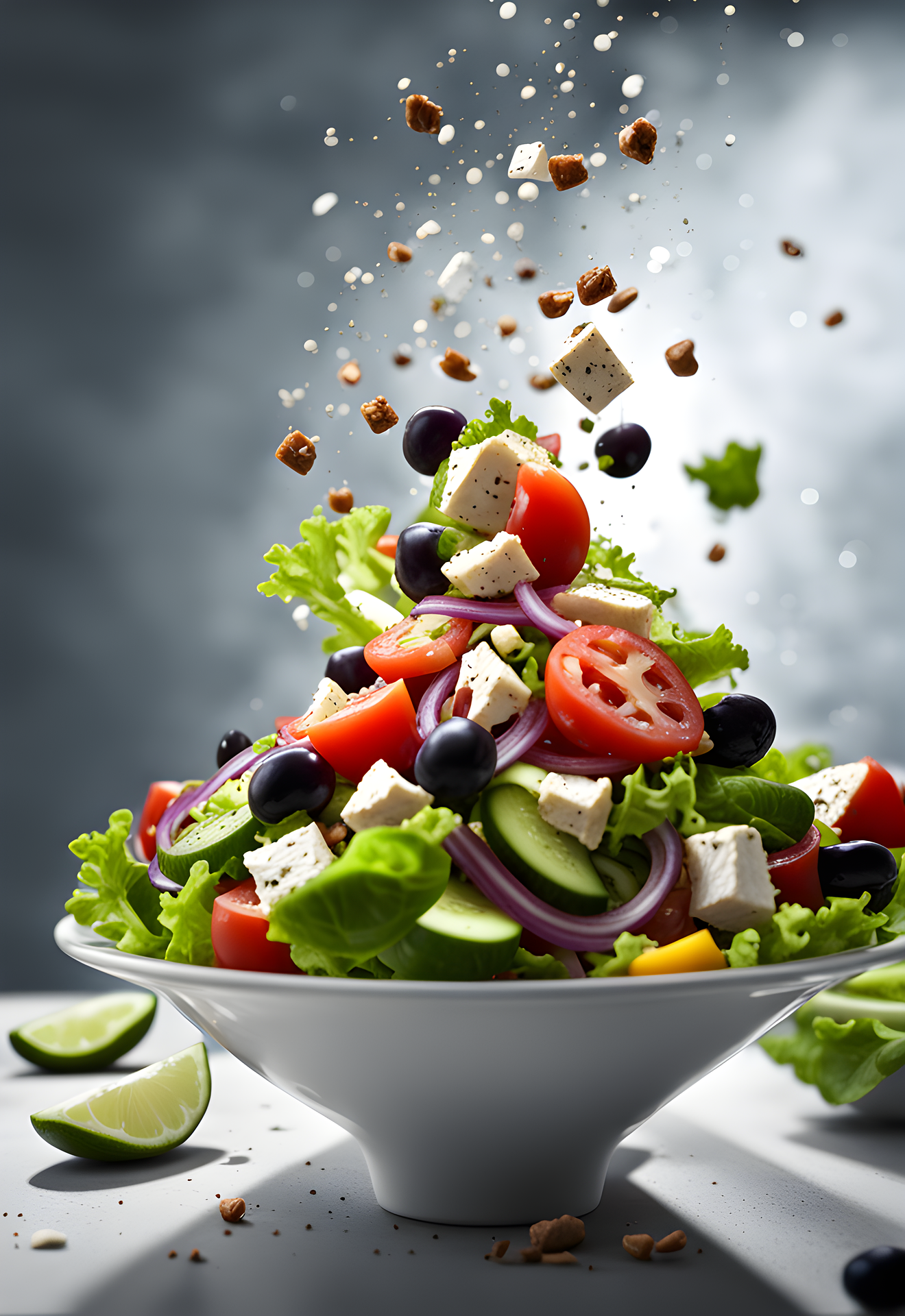
The Raw Food Diet: A Path to Health, Vitality, and Longevity
Introduction
In recent years, the raw food diet has gained immense popularity, not just as a weight-loss trend but as a holistic approach to achieving optimal health, vitality, and longevity. With the increasing consumption of processed and fast foods, many people are becoming more conscious of what they put into their bodies. The raw food diet aims to return to a more natural way of eating—one that aligns with how our ancestors consumed food before the advent of modern cooking techniques. But what exactly is the raw food diet, and why are so many people adopting it? This article explores the fundamentals of raw foodism, its benefits, potential drawbacks, and how to transition successfully into this lifestyle.
What Is the Raw Food Diet?
The raw food diet is a dietary approach that emphasizes the consumption of unprocessed, uncooked, and mostly organic plant-based foods. The premise is simple: when food is eaten in its natural state, it retains its full spectrum of vitamins, minerals, enzymes, and antioxidants. Cooking, especially at high temperatures, is believed to destroy many of these essential nutrients and enzymes that aid digestion and overall health.
Key Principles of the Raw Food Diet
- Whole, unprocessed foods: Foods are consumed in their natural state without any artificial additives or preservatives.
- Minimal to no cooking: Foods are typically eaten raw or lightly heated at temperatures below 118°F (48°C) to preserve enzymes and nutrients.
- Plant-based focus: The diet primarily consists of fruits, vegetables, nuts, seeds, legumes, sprouted grains, and seaweeds.
- Hydration and natural beverages: Freshly squeezed juices, coconut water, herbal teas, and purified water are preferred over processed drinks.
Health Benefits of the Raw Food Diet
Adopting a raw food diet can lead to numerous health benefits, as many proponents claim. Below are some of the most significant advantages:
1. Improved Digestion and Gut Health
Raw foods are rich in natural enzymes that assist in breaking down food, making digestion more efficient. This can lead to reduced bloating, improved nutrient absorption, and a healthier gut microbiome.
2. Enhanced Nutrient Intake
Cooking can deplete certain vitamins and minerals, such as vitamin C, folate, and certain B vitamins. Eating raw ensures that the body gets maximum nutrition from food.
3. Weight Management and Fat Loss
The raw food diet is naturally low in calories but high in fiber, which helps keep you full for longer. The absence of processed sugars and unhealthy fats also supports healthy weight loss.
4. Increased Energy Levels
Many individuals who switch to a raw food diet report a significant boost in energy. The reason? Raw foods are easier to digest, reducing the body’s energy expenditure on digestion and allowing more energy to be available for daily activities.
5. Glowing Skin and Anti-Aging Benefits
Antioxidant-rich foods like berries, leafy greens, and nuts help combat oxidative stress, which contributes to premature aging. Hydrating fruits and vegetables also promote skin elasticity and radiance.
6. Strengthened Immune System
A diet rich in raw fruits and vegetables provides essential vitamins, minerals, and phytonutrients that support immune function and help the body fight infections.
7. Reduced Risk of Chronic Diseases
Studies suggest that diets high in raw plant-based foods can lower the risk of chronic conditions such as heart disease, diabetes, and certain cancers due to their anti-inflammatory properties.
Potential Drawbacks and Considerations
While the raw food diet offers numerous benefits, it is not without its challenges. Here are some potential drawbacks to consider:
1. Nutrient Deficiencies
Certain nutrients, such as vitamin B12, iron, and omega-3 fatty acids, are primarily found in animal products or fortified foods. Those following a strict raw diet may need to supplement these nutrients.
2. Difficulty in Meal Preparation
Eating raw requires creativity and preparation. Without the convenience of cooking, people must rely on methods like sprouting, fermenting, and blending to create diverse meals.
3. Social and Lifestyle Challenges
Dining out and social events can become more challenging when adhering to a raw food diet, as many restaurants and gatherings focus on cooked meals.
4. Potential Digestive Issues
For some individuals, consuming large amounts of raw fiber can lead to bloating, gas, or digestive discomfort, especially if their gut is not accustomed to high-fiber intake.
How to Transition to a Raw Food Diet
Switching to a raw food diet can be overwhelming at first. Here are some practical steps to ease the transition:
1. Start Slowly
Rather than making an abrupt shift, gradually increase the intake of raw foods while decreasing processed and cooked meals.
2. Incorporate Smoothies and Juices
Blending fruits and vegetables into smoothies or making fresh juices is a delicious and easy way to consume raw nutrients.
3. Experiment with Raw Food Recipes
Explore creative recipes like raw salads, zucchini noodles, raw vegan desserts, and dehydrated snacks to keep your meals exciting.
4. Plan and Prepare in Advance
Having a variety of raw snacks on hand, such as nuts, seeds, and dried fruits, can help prevent cravings for unhealthy foods.
5. Listen to Your Body
Everyone’s body reacts differently to dietary changes. Pay attention to energy levels, digestion, and overall well-being to determine what works best for you.
Conclusion
The raw food diet is more than just a passing trend—it’s a lifestyle choice that promotes a return to natural, unprocessed nutrition. With its potential benefits ranging from improved digestion to enhanced energy and disease prevention, it’s no wonder many people are embracing this way of eating. However, like any dietary change, it’s essential to approach it mindfully, ensuring a well-balanced intake of essential nutrients. Whether you fully commit to a raw food lifestyle or simply incorporate more raw foods into your diet, the journey towards better health begins with conscious eating.
Why You Always Spend More at Restaurants?