
 By admin
The Ultimate Guide to Choosing the Right Juicer for Your Healthy Lifestyle
Introduction
In today’s fast-paced world, maintaining a healthy lifestyle is more important than ever. One of the most effective ways to ensure a nutrient-rich diet is through juicing, which allows individuals to extract essential vitamins, minerals, and enzymes from fresh fruits and vegetables. Whether you’re looking to boost your immune system, improve digestion, or simply enjoy a refreshing drink, choosing the right juicer is crucial.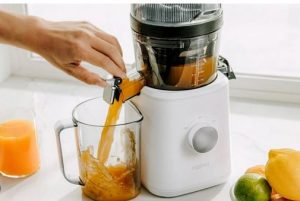
With a wide variety of juicers available, selecting the best one for your needs can be overwhelming. From centrifugal and masticating juicers to twin gear and manual options, each type has its own benefits and drawbacks. This comprehensive guide will explore the different types of juicers, their key features, and how to choose the perfect one for your lifestyle.
Types of Juicers: Understanding Your Options
1. Centrifugal Juicers
Centrifugal juicers are among the most popular and widely used options, primarily because of their affordability and ease of use. These juicers work by using a high-speed spinning blade that shreds fruits and vegetables while a fine mesh filter separates the juice from the pulp using centrifugal force.
Pros:
- Quick and efficient juice extraction
- Easy to use and clean
- Generally more affordable
Cons:
- Less effective for leafy greens and wheatgrass
- Generates heat, which may reduce nutrient content
- Can be noisy due to high-speed operation
2. Masticating Juicers (Cold Press or Slow Juicers)
Masticating juicers operate at a slower speed, using an auger to crush and squeeze juice from produce. This method helps retain more nutrients, enzymes, and fiber, making it a superior choice for those seeking maximum health benefits.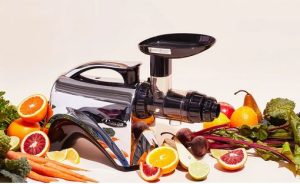
Pros:
- Higher juice yield with less waste
- Retains more nutrients due to minimal heat production
- Works well with leafy greens, wheatgrass, and nuts
- Quieter operation
Cons:
- Slower juicing process
- More expensive than centrifugal juicers
- Larger and heavier, requiring more storage space
3. Twin Gear Juicers (Triturating Juicers)
Twin gear juicers use two interlocking gears to crush and press produce, extracting the highest possible amount of juice while preserving nutrients. These juicers are the best option for serious health enthusiasts who prioritize quality over speed.
Pros:
- Maximum nutrient retention and enzyme preservation
- Excellent for juicing all types of produce, including leafy greens and wheatgrass
- High juice yield with minimal oxidation
Cons: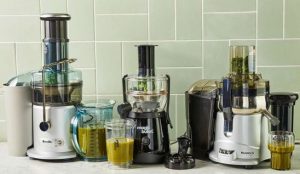
- Most expensive type of juicer
- Requires more effort to clean due to multiple parts
- Heavier and bulkier
4. Manual Juicers
Manual juicers operate without electricity, relying on hand cranks or pressing mechanisms. While they require more effort, they are excellent for travel and small-scale juicing needs.
Pros:
- Cost-effective and portable
- No electricity required
- Great for juicing citrus fruits and wheatgrass
Cons:
- Labor-intensive
- Limited juice yield
- Not suitable for large batches
Key Factors to Consider When Choosing a Juicer
1. Your Juicing Goals
- If you’re new to juicing and need a quick, affordable option, a centrifugal juicer is a great start.
- For those focused on nutrition and juice quality, masticating or twin gear juicers are better choices.
- If you travel frequently or want a budget-friendly alternative, a manual juicer may be suitable.
2. Juice Yield & Nutritional Value
- Masticating and twin gear juicers extract more juice with less waste, making them cost-effective in the long run.
- Centrifugal juicers tend to leave more moisture in the pulp, leading to lower efficiency.
3. Speed & Convenience
- Centrifugal juicers are faster, making them ideal for busy individuals.
- Slow juicers require more time but yield higher-quality juice.
4. Ease of Cleaning
- Simpler designs, like manual and centrifugal juicers, are easier to clean.
- Twin gear juicers, though efficient, have more components that require thorough cleaning.
5. Noise Level
- Centrifugal juicers are the loudest due to their high-speed motors.
- Masticating and twin gear juicers operate more quietly.
6. Budget
- Centrifugal juicers: $50-$200
- Masticating juicers: $200-$400
- Twin gear juicers: $400-$700+
- Manual juicers: $20-$100
Best Juicers to Consider in 2025
1. Omega NC900HDC (Masticating Juicer)
- Pros: High juice yield, excellent for leafy greens, quiet operation
- Price: $350-$400
- Best For: Health-conscious individuals looking for nutrient-dense juice
2. Breville Juice Fountain Elite (Centrifugal Juicer)
- Pros: Fast and efficient, large feeding chute
- Price: $180-$250
- Best For: Beginners and busy individuals
3. Tribest Greenstar Elite (Twin Gear Juicer)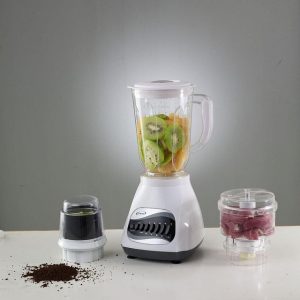
- Pros: Highest nutrient retention, durable and versatile
- Price: $500-$700
- Best For: Serious juicing enthusiasts
4. Lexen GP27 (Manual Juicer)
- Pros: Affordable, compact, easy to use for wheatgrass and citrus
- Price: $50-$80
- Best For: Travelers and budget-conscious users
Tips for Getting the Most Out of Your Juicer
- Use Fresh Produce – The fresher your fruits and vegetables, the higher the nutrient content.
- Clean Immediately After Use – Prevents pulp buildup and makes cleaning easier.
- Alternate Soft and Hard Ingredients – Helps maintain efficient juicing and prevents clogging.
- Drink Juice Immediately – Reduces oxidation and preserves nutritional value.
- Store Properly – If storing juice, use an airtight container and refrigerate to minimize nutrient loss.
Conclusion
Choosing the right juicer can significantly impact your health and juicing experience. Whether you prioritize speed, nutrient retention, or budget, there is a juicer suited for your lifestyle. Centrifugal juicers offer quick and affordable solutions, while masticating and twin gear juicers provide higher quality and more nutrition-packed juice. Manual juicers remain an excellent choice for those who need portability and simplicity.
By understanding the differences between juicers and considering key factors like juice yield, ease of cleaning, and noise levels, you can make an informed decision that supports your health goals. Investing in the right juicer ensures that you can enjoy fresh, nutrient-rich juice for years to come.
Revolutionizing Live Sports at Home