
 By admin
Introduction
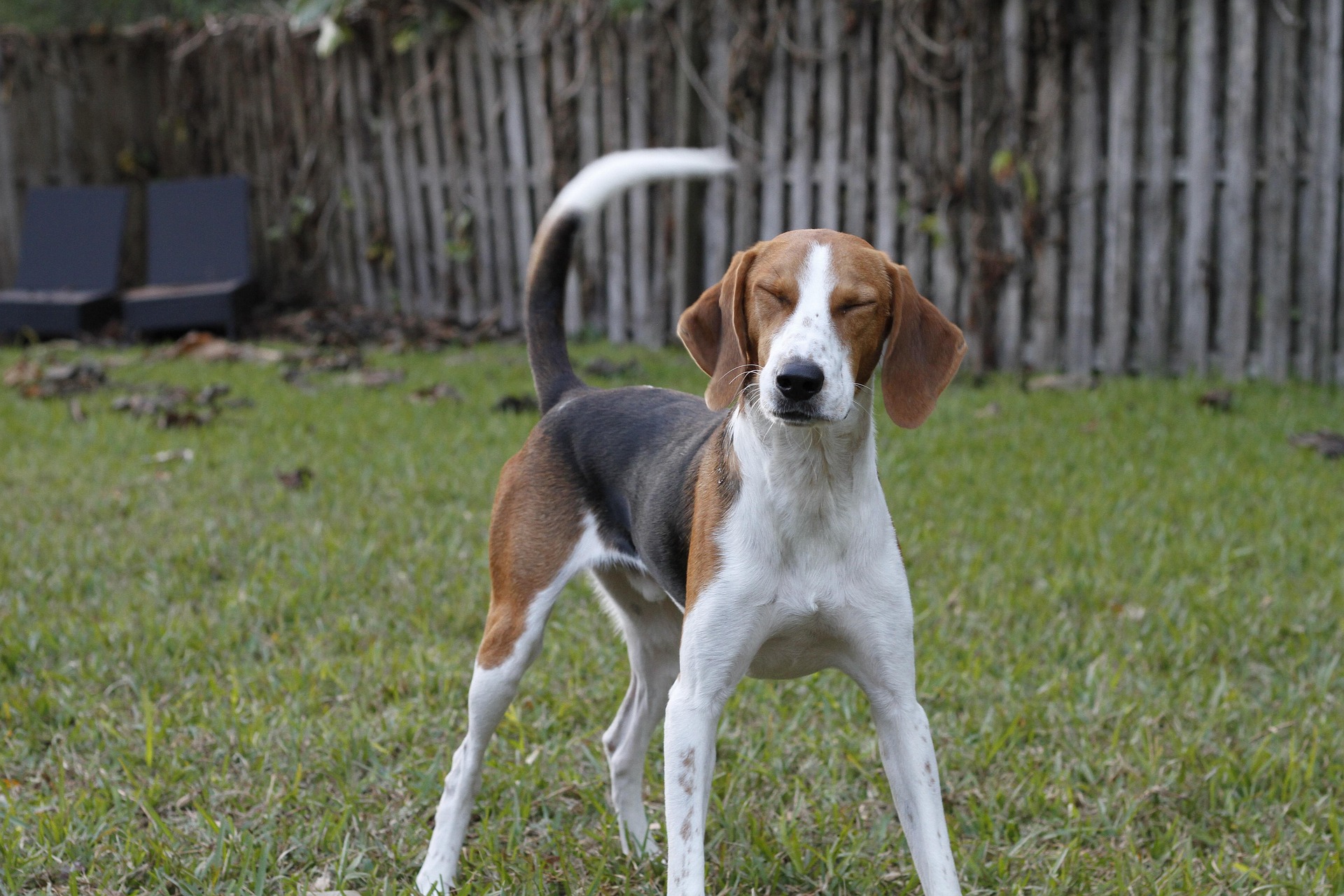
The Foxhound is one of the most iconic and enduring dog breeds in British history, revered for its stamina, intelligence, and unyielding dedication to the hunt. Bred specifically to track and pursue foxes across varied terrain, this breed has earned its place as both a hunter’s ally and a fascinating specimen in canine genetics. The development of the Foxhound marked a turning point in the scientific breeding of dogs in Great Britain, establishing standards that would influence canine breeding for centuries.
From its distinctive physical features to its unwavering work ethic, the Foxhound continues to captivate breeders, hunters, and dog enthusiasts worldwide. In this article, we explore the origins, physical characteristics, temperament, modern roles, and care requirements of the Foxhound dog, shedding light on why this breed remains a cornerstone in the world of working dogs.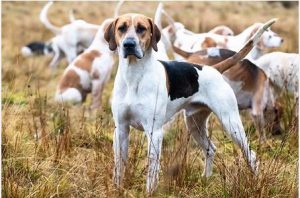
The Origins of the Foxhound: A Purpose-Bred Hunter
A Need for Speed and Endurance
The Foxhound’s history begins in the late 17th century, following the turmoil of Cromwell’s civil war. Traditional hound breeds like the Bloodhound and Southern Hound, while excellent trackers, lacked the agility and speed needed to chase the increasingly elusive wild deer and foxes. Hunters required a new breed that could cover great distances quickly, maintain stamina, and work efficiently as part of a pack.
The Rise of Scientific Breeding
This demand led to the birth of the Foxhound through a methodical breeding program. Breeders began combining the best traits of existing hound breeds—such as the scenting power of the Bloodhound and the agility of faster coursing dogs—to produce a new type of hunting dog. This was one of the first examples of scientific breeding in British canine history, with emphasis placed on performance, anatomy, and behavior.
Distinctive Physical Characteristics of the Foxhound
Head and Expression
The Foxhound’s head reflects its dual nature of beauty and purpose. It is broad without being blunt, featuring a long skull from the apex to the frontal bones. Unlike the peaked head of the Bloodhound, the Foxhound has a more refined yet powerful facial structure. Prominent eyebrows and a strong, level jaw give it a determined look. The ears are naturally shaped, set low, and not overly large, enhancing its alert appearance.
Eyes: Windows to Tenacity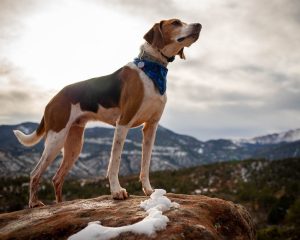
The breed’s eyes are a standout feature—bright, deeply set, and radiating intensity. A Foxhound’s gaze is steady and unwavering, hinting at the relentless drive it displays during the chase. Many describe its expression as fierce or even repellent when focused, reinforcing its role as a determined hunter.
Neck and Shoulders
A clean, muscular neck without excess skin is essential for the Foxhound’s agility. The length of the neck is key, allowing the dog to stoop effectively during scent tracking while maintaining a regal posture. Strong, slanting shoulders blend seamlessly into the back, providing the balance needed for speed and stamina.
Legs and Feet: Built for Performance
Foxhounds possess straight, powerful legs, vital for their long, arduous hunts. Their limbs remain consistent in size from shoulder to ankle, ensuring durability and support. The knees are flat and level, with feet that are round and cat-like—a structure known for enduring rugged terrain. The toes are tight and cleanly set, offering grip and stability.
Coat Texture and Quality
The Foxhound’s coat is short, dense, and hard to the touch, often described as bristle-like. This coat type is ideal for resisting the elements while maintaining ease of movement. It lies flat and smooth, offering protection without impeding flexibility.
Color Variations
Foxhounds display a range of classic and unique coat colors:
-
Belvoir Tan: A harmonious blend of brown and black with vivid white markings.
-
Black and White with Tan Points: Often seen on the head and hindquarters.
-
Badger Pied: A greyish and white mix, offering a salt-and-pepper appearance.
-
Lemon Pied: Light yellow and white, a paler, elegant variety.
-
Hare Pied: A deeper yellow and white mix, giving a warm golden hue.
These color patterns not only provide individuality but also help hunters distinguish dogs during the hunt.
Size Standards
-
Males: Typically stand between 23.5 to 24 inches tall.
-
Females: Range from 22 to 22.5 inches in height.
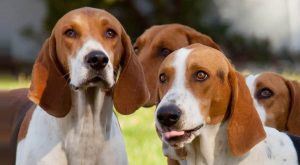
These measurements strike a balance between power and grace, optimizing the dog for endurance and fieldwork.
Temperament and Behavior: The Heart of a Hunter
Pack Mentality and Social Behavior
Foxhounds are inherently pack animals, having been bred to work alongside other hounds. They thrive in environments where cooperation and synchronization are required. This instinct makes them friendly and non-aggressive toward other dogs, although their independence may require a firm yet fair handler.
Intelligence and Trainability
Foxhounds are intelligent, especially when it comes to scent recognition and problem-solving during a chase. However, they are not always eager to please in the way that companion breeds are. Training must be consistent, patient, and reward-based. They respond well to positive reinforcement and require ample mental stimulation.
Energy and Exercise Needs
This breed is not for the faint of heart or the sedentary owner. Foxhounds demand extensive daily exercise, including long walks, runs, or even organized hunts. Without sufficient physical activity, they may become restless or destructive.
The Modern Role of the Foxhound
Traditional Hunting vs. Contemporary Companionship
Although hunting remains part of their heritage, the modern Foxhound often finds roles beyond the chase. In regions where hunting has been restricted or banned, Foxhounds participate in drag hunting, where an artificial scent trail replaces a live animal. Some are also kept as pets by active families who understand the breed’s needs.
Foxhounds in Dog Shows and Field Trials
Foxhounds frequently appear in field trials and conformation shows, showcasing their physical precision and obedience. These events help preserve the breed’s lineage and uphold high standards for breeding.
Caring for a Foxhound: Ownership Essentials
Grooming Requirements
Foxhounds are relatively low-maintenance in grooming due to their short coat. Weekly brushing helps remove dead hair and keeps the coat glossy. Regular ear cleaning and dental care are also necessary to avoid infections.
Diet and Nutrition
As a high-energy breed, the Foxhound requires a diet rich in protein and essential fats to maintain muscle and stamina. Owners should consult veterinarians to tailor diets based on age, weight, and activity level.
Health and Longevity
The Foxhound is generally healthy, with a life expectancy of 10–13 years. However, like all breeds, it can be susceptible to:
-
Hip dysplasia
-
Ear infections
-
Gastric torsion (bloat)
Routine vet checkups and maintaining a healthy lifestyle greatly reduce risks.
Conclusion: The Legacy of the Foxhound
The Foxhound dog embodies a legacy of precision breeding, athletic excellence, and unwavering loyalty. Whether in the field chasing scents or resting after a long day’s run, the Foxhound remains a symbol of British canine heritage and functionality. While not ideal for first-time dog owners or sedentary lifestyles, this breed offers unmatched companionship and purpose for those who can match its vigor and appreciate its storied past.
For those seeking a noble, tireless, and loyal dog with a deep-rooted history in sport and service, the Foxhound is a remarkable choice—truly a living testament to the art of purposeful breeding.
The Best Gift Ideas for Cat Owners