
 By admin
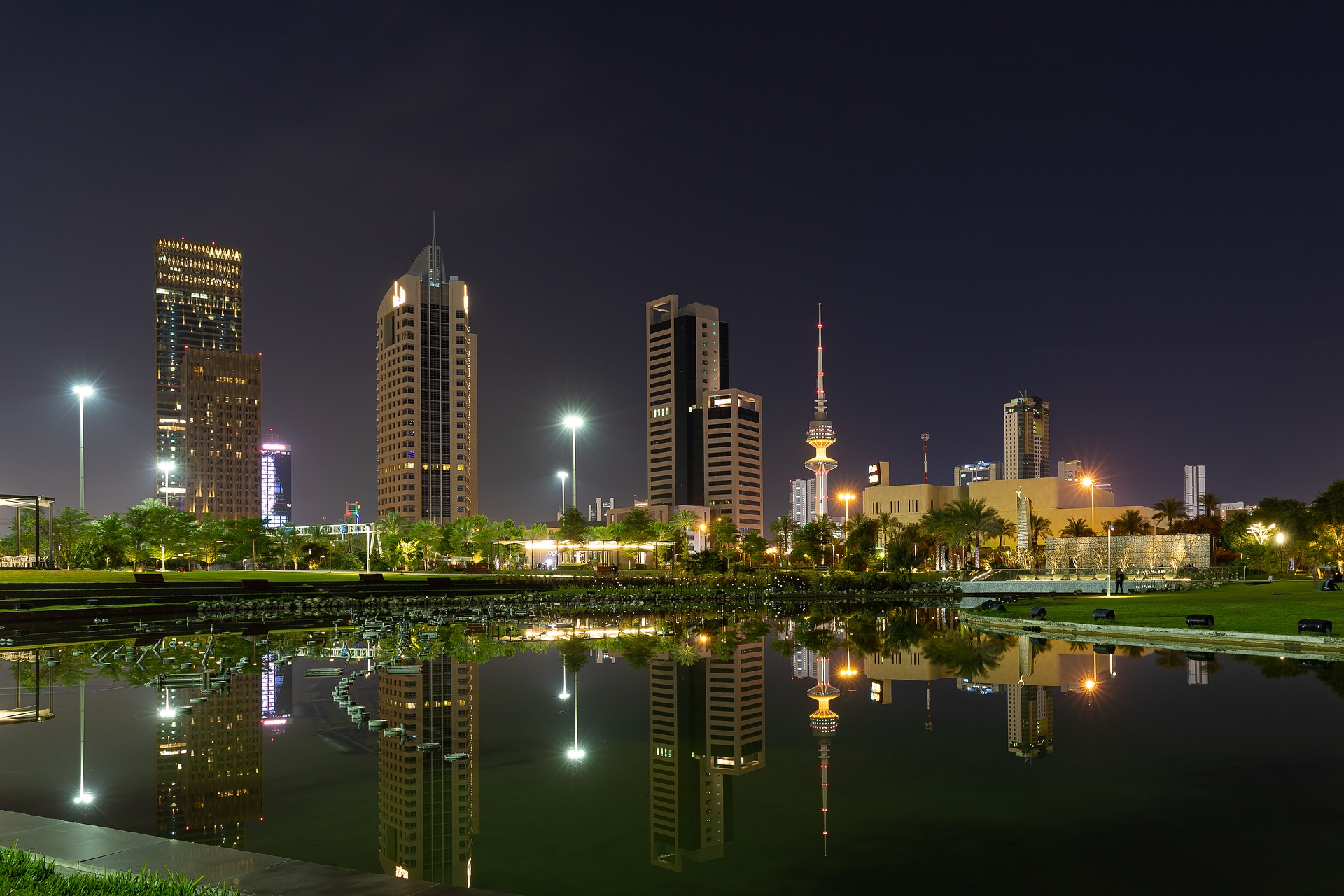
Kuwait: A Blend of Tradition, Innovation, and Hospitality
Kuwait, nestled in the heart of the Arabian Gulf, is a captivating destination that seamlessly fuses its rich cultural heritage with modern innovation. Renowned for its vast oil reserves and economic strength, Kuwait is more than just a financial powerhouse. It’s a vibrant society rich in traditions, history, art, and hospitality, with a burgeoning tourism industry that offers a myriad of attractions. Whether you’re a history enthusiast, culture aficionado, or business traveler, Kuwait’s multifaceted charm will leave an indelible impression. Let’s explore the essence of Kuwait—its culture, economy, art, history, landmarks, and world-class hospitality.
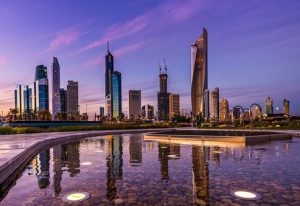
Society and Culture: The Soul of Kuwait
Kuwaiti society is deeply rooted in Arabian traditions, with a strong emphasis on family, community, and hospitality. Kuwaitis are celebrated for their generosity, extending warmth to visitors and ensuring they feel at home. Islam plays a pivotal role in shaping everyday life and cultural norms, with mosques serving as spiritual and social hubs.
The cultural tapestry of Kuwait is a harmonious blend of Bedouin traditions and cosmopolitan influences. Timeless practices such as falconry, camel racing, and pearl diving honor the country’s nomadic and maritime heritage. These traditions coexist with modern pursuits, such as contemporary art, international gastronomy, and urban lifestyles.
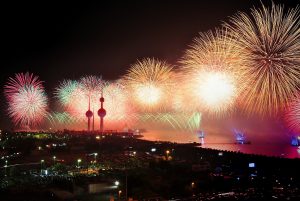
Festivals are integral to Kuwaiti culture. The vibrant Hala February Festival, held annually, features concerts, parades, and traditional performances, offering a glimpse into the nation’s celebratory spirit. Kuwaiti cuisine, with iconic dishes like machboos (spiced rice with meat or fish) and gahwa (Arabic coffee), reflects its deep-rooted culinary heritage and is a must-try for visitors.
A Thriving Economy: From Oil to Tourism
Kuwait’s economy, anchored by its substantial oil reserves, is among the strongest in the Gulf region. As a key member of the Organization of the Petroleum Exporting Countries (OPEC), oil exports significantly bolster its GDP. However, Kuwait’s economic vision extends beyond oil.
In line with its ambitious Vision 2035, Kuwait is diversifying its economy, investing heavily in infrastructure, tourism, and technology. Landmark projects like the Sheikh Jaber Al-Ahmad Cultural Centre, the futuristic Silk City, and the expansion of Kuwait International Airport aim to position Kuwait as a regional cultural and financial hub. These initiatives are transforming the country into a sought-after destination for business and leisure travelers alike.
Art and Heritage: A Window into Kuwait’s Identity
Kuwait’s artistic legacy is a vibrant reflection of its historical and cultural diversity. Traditional arts, such as calligraphy, pottery, and weaving, have been preserved and celebrated over generations. The intricate art of Sadu weaving, recognized by UNESCO as an intangible cultural heritage, is a testament to Kuwait’s Bedouin roots. A visit to Sadu House in Kuwait City offers a deeper understanding of this exquisite craft.
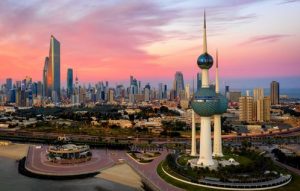
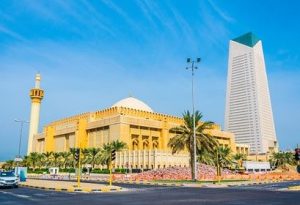
Contemporary art is also thriving, with galleries like the Contemporary Art Platform (CAP) and the Sultan Gallery showcasing innovative works by local and international artists. Architecturally, Kuwait marries tradition with modernity through iconic landmarks such as the Kuwait Towers, an emblem of progress, and the Grand Mosque, celebrated for its stunning Islamic architecture.
Sports: A Nation of Enthusiasts
Sports are an integral part of life in Kuwait, with football reigning supreme as the nation’s most popular sport. The Kuwaiti national football team enjoys widespread support, and local leagues draw enthusiastic crowds. Kuwait has hosted prominent tournaments, including the Gulf Cup and Asian Football Confederation (AFC) events.
Traditional sports like camel racing and falconry remain deeply ingrained in Kuwaiti culture. The government’s emphasis on promoting fitness and active lifestyles has led to the development of world-class sports facilities, such as the impressive Jaber Al-Ahmad International Stadium.
A Rich Historical Tapestry
Kuwait’s history is a compelling narrative of resilience and transformation. Strategically located along the Arabian Gulf, Kuwait has long been a hub for trade and pearl diving. In the 18th century, the Bani Utub tribe, led by the Al-Sabah family, established Kuwait as a prosperous trading port.
Key historical landmarks offer a glimpse into Kuwait’s past. The iconic Kuwait Towers symbolize the nation’s modernity, while the Grand Mosque stands as a spiritual and architectural marvel. For a deeper dive into history, the Kuwait National Museum and Tareq Rajab Museum house extensive collections of artifacts and art.
Failaka Island, just off the coast, is a treasure trove of archaeological sites dating back to the Bronze Age, making it a must-visit for history buffs.
Hospitality: Luxury Meets Tradition
Kuwait’s hospitality sector is synonymous with excellence, offering a diverse range of accommodations to suit every preference and budget. Luxurious hotels such as the Burj Alshaya and JW Marriott Kuwait City provide unparalleled service, elegant rooms, and gourmet dining options, catering to discerning travelers.
For those seeking an authentic experience, boutique hotels like the Salam Boutique Hotel blend traditional Kuwaiti architecture with modern comforts. These establishments ensure that visitors enjoy both luxury and cultural authenticity.
Natural Beauty: Beyond the Desert
While Kuwait’s desert landscapes are a defining feature, the country offers unexpected natural beauty. Al Shaheed Park, Kuwait’s largest urban park, is a verdant oasis featuring walking trails, botanical gardens, and cultural attractions, making it a popular spot for families and nature lovers.
The pristine coastline is another highlight, with clear waters and picturesque beaches. Destinations like Marina Crescent and the Scientific Center provide opportunities for relaxation and recreation. Adventure seekers can explore the desert through activities like dune bashing, camping, and stargazing under the vast Arabian sky.
Cuisine: A Gastronomic Delight
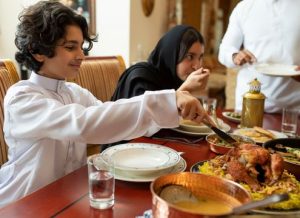
Kuwaiti cuisine is a delightful fusion of Arab, Persian, and Indian influences, offering a rich tapestry of flavors. Signature dishes such as machboos, harees (wheat and meat porridge), and balaleet (sweet vermicelli) are culinary highlights that reflect the nation’s diverse palate.
Seafood plays a central role in Kuwaiti cuisine, thanks to its coastal location. For an immersive experience, the bustling Souq Al-Mubarakiya, one of Kuwait’s oldest markets, offers a treasure trove of traditional snacks, spices, and sweets.
For those seeking fine dining, Kuwait boasts an array of gourmet restaurants offering both local and international cuisine. Establishments like The Arraya Ballroom and Nozomi Restaurant promise an elevated culinary experience.
Conclusion: A Destination Like No Other
Kuwait is a land of contrasts, where tradition meets modernity and history blends seamlessly with innovation. Its rich cultural heritage, architectural wonders, and warm hospitality make it a unique and unforgettable destination. Whether you’re exploring the bustling streets of Kuwait City, savoring the nation’s delectable cuisine, or marveling at its stunning landmarks, Kuwait offers a journey like no other.
As it continues to invest in tourism and infrastructure, Kuwait is poised to become a premier destination in the region. Often referred to as the “Pearl of the Gulf,” Kuwait invites you to experience its unparalleled charm and create memories that will last a lifetime. From its vibrant cityscapes to the serene desert sands, Kuwait is a destination that truly has something for everyone.