
 By admin
Introduction
Healthcare has always been more than just treating symptoms—it is about addressing the root causes of disease and restoring balance to the body. In recent years, holistic healthcare has gained widespread recognition as an alternative or complementary approach to conventional medicine. Among the most popular practices within holistic medicine is acupuncture, a therapy that originated in ancient China and has been used for over 2,000 years.
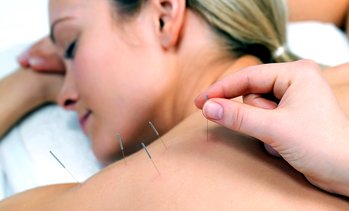
Acupuncture, which involves the insertion of fine needles into specific points on the body, aims to stimulate the body’s natural healing mechanisms and restore energy flow. While skeptics once dismissed it as pseudoscience, an increasing body of research demonstrates that acupuncture provides tangible health benefits, from pain management to stress reduction and even addiction recovery.
This article explores acupuncture as an example of holistic healthcare—its origins, how it works, the conditions it treats, modern scientific evidence supporting it, risks and costs, and its growing role in integrative medicine.
Understanding Holistic Healthcare
What Is Holistic Medicine?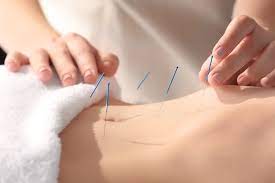
Holistic healthcare focuses on treating the whole person—body, mind, and spirit—rather than merely alleviating symptoms. It emphasizes natural healing methods, lifestyle changes, and non-invasive treatments. Unlike conventional medicine, which often relies heavily on pharmaceuticals or surgery, holistic healthcare seeks to restore balance and encourage the body’s innate ability to heal itself.
Acupuncture’s Place in Holistic Medicine
Acupuncture exemplifies this philosophy. It is not about masking pain but about restoring energy flow (Qi) and addressing underlying imbalances that contribute to illness. Whether used alone or alongside modern treatments, acupuncture embodies the holistic principle of supporting the entire well-being of a patient.
The History and Origins of Acupuncture
Ancient Roots in China
Acupuncture has been practiced in China for more than two millennia. Ancient medical texts, such as the Huangdi Neijing (The Yellow Emperor’s Classic of Internal Medicine), describe meridians—pathways through which energy flows in the body—and how needles placed along these channels can restore harmony.
Global Expansion
For centuries, acupuncture remained largely confined to Asia. However, the practice began spreading globally in the 20th century, particularly after President Richard Nixon’s 1972 visit to China, which introduced acupuncture to the United States. Since then, it has become one of the most recognized forms of alternative medicine worldwide, with millions of patients seeking acupuncture treatments annually.
How Acupuncture Works
The Role of Meridians and Energy Flow
Traditional Chinese Medicine (TCM) is based on the idea that energy, or Qi, flows through the body along meridians. When this energy is blocked or imbalanced, illness arises. Acupuncture points act like gateways that allow practitioners to restore proper flow and balance.
The Modern Scientific Perspective
While Western science does not fully endorse the meridian concept, studies have shown that acupuncture influences the nervous system, releases endorphins, improves circulation, and reduces inflammation. MRI scans and clinical trials have demonstrated measurable physiological effects, explaining why many patients report real improvements in pain relief and overall well-being.
Conditions Treated by Acupuncture
Acupuncture has been studied extensively, and evidence suggests that it may help with a wide range of health conditions:
Pain Management
- Migraines and headaches: Research in the UK involving 400 participants found significant relief after three months of acupuncture sessions.
- Arthritis and joint pain: Acupuncture helps reduce inflammation and stiffness, offering patients an alternative to long-term use of painkillers.
- Back and neck pain: Chronic musculoskeletal pain is one of the most common reasons patients seek acupuncture.
Mental Health and Stress Relief
- Anxiety and depression: Acupuncture stimulates the parasympathetic nervous system, promoting relaxation and reducing stress hormones.
- Insomnia: Clinical studies show acupuncture can improve sleep quality by regulating melatonin production.
Weight Loss and Metabolism
Some studies indicate acupuncture supports weight loss by suppressing appetite and improving digestion, making it an appealing option for individuals seeking non-invasive weight management strategies.
Addiction Recovery
Acupuncture has been integrated into rehabilitation programs for smoking, alcohol, and drug addiction. For example, studies show smokers reduce their cigarette intake by half after initial sessions.
Surgical and Medical Applications
In some countries, acupuncture has been used as an alternative to chemical anesthesia, particularly for patients intolerant to traditional anesthetics.
Modern Scientific Evidence
Clinical Trials and Studies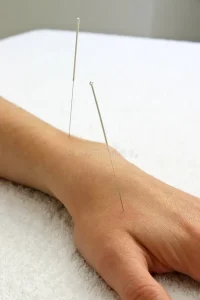
- The World Health Organization (WHO) recognizes acupuncture as effective for more than 100 conditions, particularly chronic pain, migraines, and postoperative recovery.
- The National Institutes of Health (NIH) in the U.S. acknowledges acupuncture as a beneficial complementary therapy, especially in pain relief.
Growing Acceptance in Medicine
Hospitals and rehabilitation clinics across the U.S., UK, and Europe now include acupuncture in their treatment offerings. Physicians often refer patients for acupuncture when conventional treatments prove ineffective or cause unwanted side effects.
Costs and Accessibility
Pricing and Treatment Duration
In the U.S., acupuncture sessions typically cost between $75 and $150, with prices often decreasing for subsequent treatments. A full treatment plan may involve 10 to 15 sessions spread over several weeks, depending on the patient’s condition.
Insurance Coverage
While some insurance companies cover acupuncture, coverage varies widely. Patients are encouraged to advocate for its inclusion, as it is often more cost-effective than surgery or long-term prescription medications.
Risks and Safety Considerations
Acupuncture is generally safe when performed by a licensed and trained professional. However, potential risks include:
- Infection (if non-sterile needles are used)
- Bruising or mild soreness at needle sites
- Dizziness in rare cases

These risks are minimal compared to side effects of pharmaceuticals, provided the practitioner follows proper hygiene and safety standards.
Acupuncture in Modern Integrative Medicine
The growing acceptance of acupuncture highlights a broader shift toward integrative healthcare, where conventional and holistic approaches work together. For patients with chronic conditions, acupuncture can provide relief while reducing dependence on strong medications. For others, it offers preventive care and improved overall wellness.
Medical schools and hospitals increasingly incorporate holistic therapies, recognizing that patient-centered care must consider more than just physical symptoms. Acupuncture stands at the forefront of this evolution, bridging ancient wisdom with modern science.
Conclusion
Acupuncture is more than just a cultural relic of ancient China—it is a proven and evolving form of holistic healthcare that continues to gain credibility in modern medicine. From pain relief and stress reduction to addiction recovery and surgical applications, acupuncture provides a safe, cost-effective, and natural path to healing.
For individuals weary of pharmaceutical side effects or invasive treatments, acupuncture represents a powerful alternative. As holistic healthcare grows in popularity, acupuncture stands out as both a symbol of ancient healing wisdom and a practical tool for modern wellness.
The Science and Solutions Behind Infant Colic