
 By admin
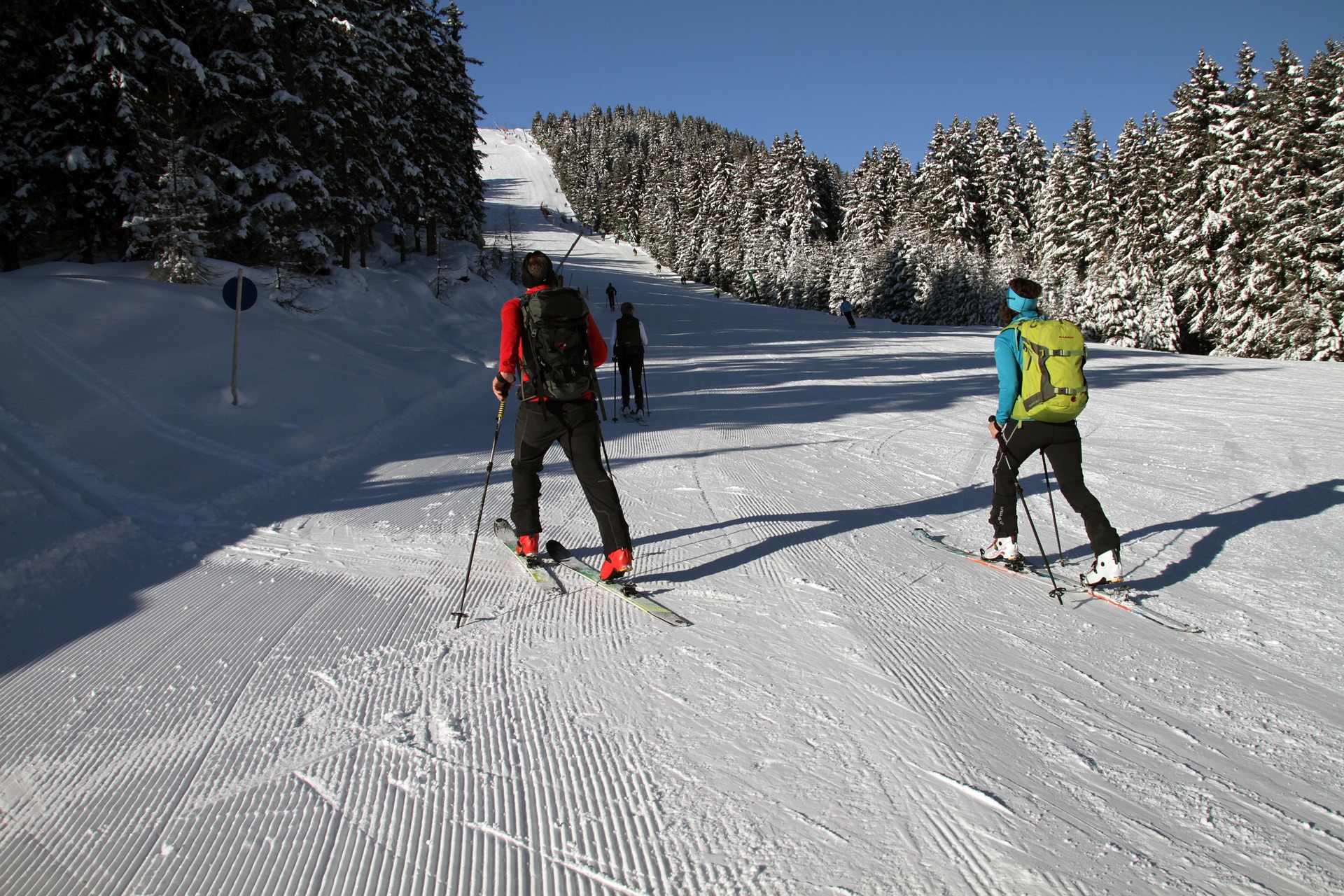
Snowboarding is an exhilarating sport that combines adrenaline and skill, but it also carries inherent risks that enthusiasts must be mindful of. There’s nothing worse than returning from a snowboarding trip with a serious injury like a broken leg or a sprained wrist. Fortunately, by following some essential safety measures, you can significantly reduce the risk of injury and fully enjoy your time on the slopes. In this article, we will explore practical tips and precautions to help you avoid common snowboarding injuries.
Physical Preparation: Building Strength and Endurance
Before hitting the slopes, ensure your body is prepared for the physical demands of snowboarding. Proper conditioning improves your performance and reduces the likelihood of injuries. Here’s how to get ready:
- Core Stability and Muscle Training: Engage in exercises that strengthen your core and lower body. A strong core enhances balance, while leg strength provides the stamina needed for long sessions on the slopes.
- Cardiovascular Endurance: Incorporate aerobic activities into your routine, such as running or cycling, to build endurance and improve overall fitness.
- Stretching and Warm-Up: Always begin with a warm-up to loosen muscles and joints. Dynamic stretches targeting your legs, arms, and back prepare your body for the movements required during snowboarding.
Dressing for Safety and Comfort
Wearing the right clothing and gear is crucial for safe and enjoyable snowboarding. Follow these guidelines:
- Layer Appropriately: Dress in layers that provide warmth without restricting movement. Look for moisture-wicking base layers, insulating mid-layers, and waterproof outerwear to stay dry and comfortable.
- Avoid Bulkiness: Bulky clothing can hinder mobility, affecting your ability to maneuver effectively on the slopes.
Common Snowboarding Injuries and How to Prevent Them
1. Wrist Injuries
Wrist injuries are the most common among snowboarders, especially beginners. Falls are frequent, and the instinctive reaction to extend your hands for protection often results in wrist fractures.
Prevention Tips:
- Wear Wrist Guards: These significantly reduce the risk of wrist injuries by absorbing impact and stabilizing the joint during falls.
- Learn Proper Falling Techniques: Practice falling onto your forearms or rolling to distribute impact evenly, minimizing the strain on your wrists.
2. Head Injuries
Head injuries can range from minor concussions to severe trauma. Protecting your head is essential, regardless of your skill level.
Prevention Tips:
- Use a Helmet: A properly fitted helmet reduces the likelihood of head injuries during collisions or falls. Choose a helmet designed specifically for snow sports for maximum protection.
3. Knee Injuries
Knee injuries, including ACL tears, are less common but can be severe. They often result from sudden twists or awkward landings.
Prevention Tips:
- Invest in High-Quality Bindings: Multi-mode release bindings reduce the risk of knee injuries by allowing your boots to release during a fall.
- Strengthen Leg Muscles: Focus on exercises that target your quadriceps, hamstrings, and calves to support and stabilize your knees.
Equipment Matters: Don’t Compromise on Quality
Using proper equipment is a key factor in injury prevention. Here are some important considerations:
- Avoid Borrowing Equipment: Borrowed gear may not fit properly, increasing the risk of accidents. Invest in your own equipment or rent from a reputable store.
- Check Fit and Functionality: Ensure your snowboard, boots, and bindings are correctly fitted and in good condition. Ill-fitting gear can cause unnecessary falls and injuries.
- Daily Binding Checks: Perform a self-test on your bindings each day:
- Toe-Piece Test: Step into the binding and twist to the side to ensure it releases under pressure.
- Heel-Piece Test: Lean forward while stepping into the binding to check if the heel releases correctly.
On-Slope Safety: FIS Rules for Conduct in Winter Sports
Adhering to established safety guidelines helps prevent collisions and ensures a positive experience for everyone. The International Ski Federation (FIS) has outlined ten rules for conduct:
- Respect Others: Avoid endangering or inconveniencing fellow snowboarders.
- Control Your Speed: Adjust your speed according to your skill level, terrain, snow conditions, and traffic on the slopes.
- Choose Your Route Carefully: When overtaking, ensure enough space for the person ahead to move freely.
- Observe Right of Way: Yield to snowboarders and skiers downhill or ahead of you.
- Safe Starting and Entering: Check uphill and downhill before entering a run or starting after a stop.
- Avoid Obstructing Narrow Areas: Refrain from stopping in places with limited visibility or where the slope narrows.
- Stay to the Side When Climbing or Walking: If ascending or descending on foot, stick to the edge of the piste.
- Respect Signs and Markings: Obey all posted warnings and directional signs.
- Provide Assistance: Help others in the event of an accident.
- Exchange Information: Share your name and contact details if you witness or are involved in an accident.
Additional Safety Tips
Stay Hydrated and Take Breaks
Snowboarding is physically demanding, and dehydration or fatigue can impair your judgment. Take regular breaks and drink water to stay refreshed.
Check Weather Conditions
Be aware of the weather and slope conditions before heading out. Avoid snowboarding in poor visibility or during extreme weather.
Take Lessons
If you’re new to snowboarding, invest in lessons with a certified instructor. Proper guidance helps you learn correct techniques, reducing the risk of injuries.
Ride Within Your Limits
Push your boundaries gradually and avoid attempting advanced tricks or terrain before you’re ready. Overestimating your abilities can lead to accidents.
Conclusion: Ride Safe and Enjoy the Adventure
By preparing physically, using proper equipment, and following safety guidelines, you can minimize the risk of common snowboarding injuries. From wearing wrist guards and helmets to respecting the FIS rules, every precaution contributes to a safer and more enjoyable experience on the slopes. Remember, the goal is to return home unscathed, ready to plan your next snowboarding adventure.
Tennis : The Psychology of Singles and Doubles