
 By admin
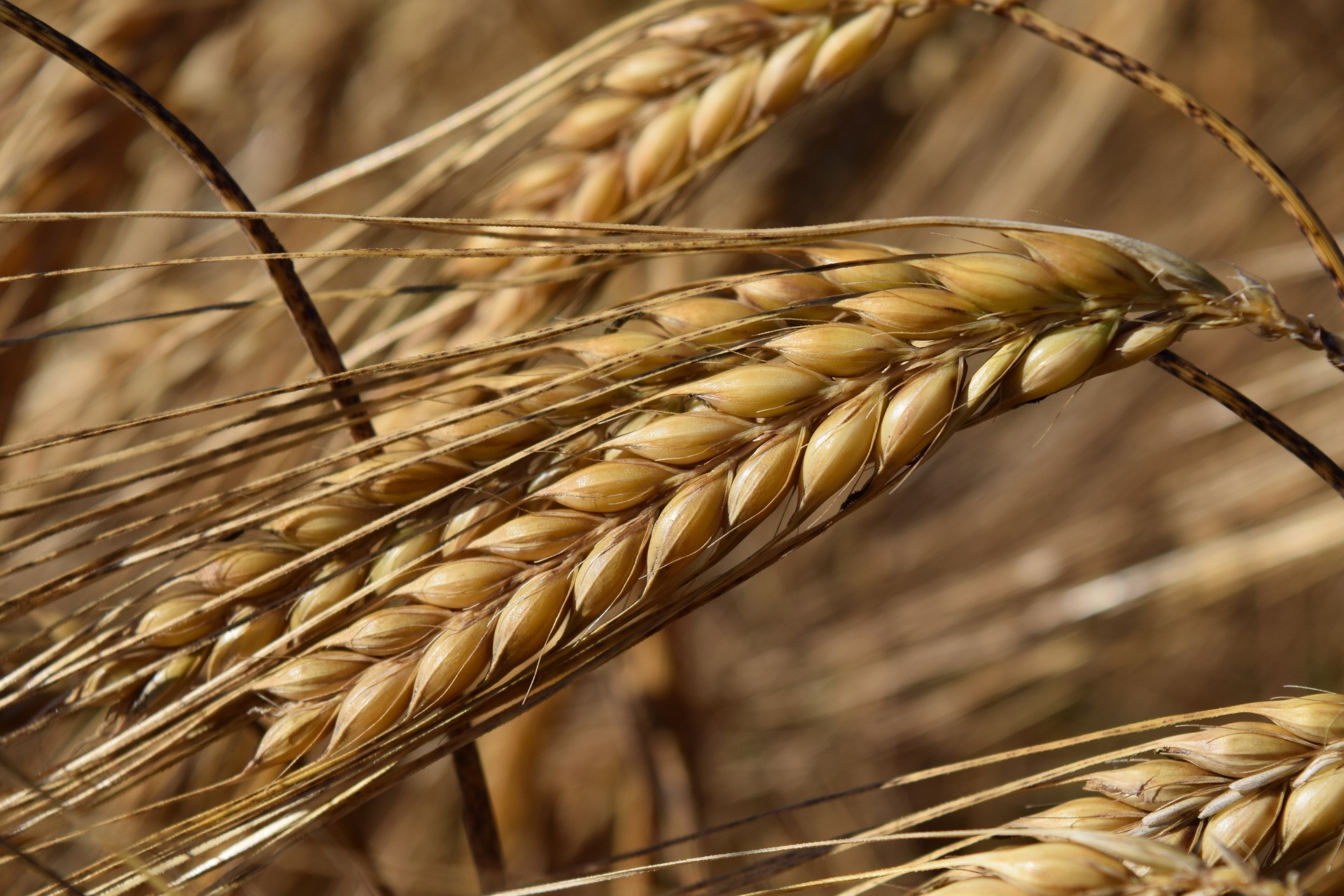
Barley holds a distinguished place in history as one of the earliest cultivated grains. Esteemed by ancient civilizations, it was a staple food for the Hebrews, Greeks, and Romans. Among the Jews, barley was highly valued and often mentioned alongside wheat in sacred texts, symbolizing the abundance of the Earth’s fruits.
Historical Significance:
In ancient Greece and Rome, barley was the primary sustenance of the common people and soldiers. A popular preparation involved creating a nourishing gruel using this recipe: “Dry twenty pounds of barley flour near the fire or in an oven, then parch it. Mix with three pounds of linseed meal, half a pound of coriander seeds, two ounces of salt, and water as needed.” For a more refined dish, millet was sometimes added for improved texture and flavor. Whole barley was also parched and consumed, a method still practiced in parts of Palestine, India, and the Canary Islands, where it is known as gofio.
During the reign of Charles I, barley meal largely replaced wheat as the primary food for England’s common people. Similarly, in parts of Europe, India, and other Eastern countries, barley remains a staple for peasantry and soldiers. Early settlers in New England also relied heavily on barley for bread-making.
Nutritional and Digestive Properties:
While barley is less nutritious and less digestible than wheat, it is still a valuable cereal. Its starch cells are less soluble, making it more resistant to digestion. Despite this, it has been a critical food source throughout history.
Varieties and Processing:
Barley comes in several species, the most common being two-rowed or two-eared barley. Its grain structure resembles wheat and oats.
- Scotch or Pot Barley: Barley with only its outer husk removed.
- Pearl Barley: Further processed to remove the fibrous outer coat.
- Patent Barley: Pearl barley ground into flour.
Barley flour has a low gluten content, making it unsuitable for bread-making unless mixed with wheat flour. When added in small amounts to whole-wheat bread, barley flour enhances moisture and flavor.
Culinary Use:
Barley is most commonly consumed as pearl or Scotch barley, often boiled to create a hearty dish. Properly cooked, it requires about two hours for digestion.
From ancient traditions to modern kitchens, barley continues to be a versatile and valuable grain, appreciated for its unique qualities and rich history.