
 By admin
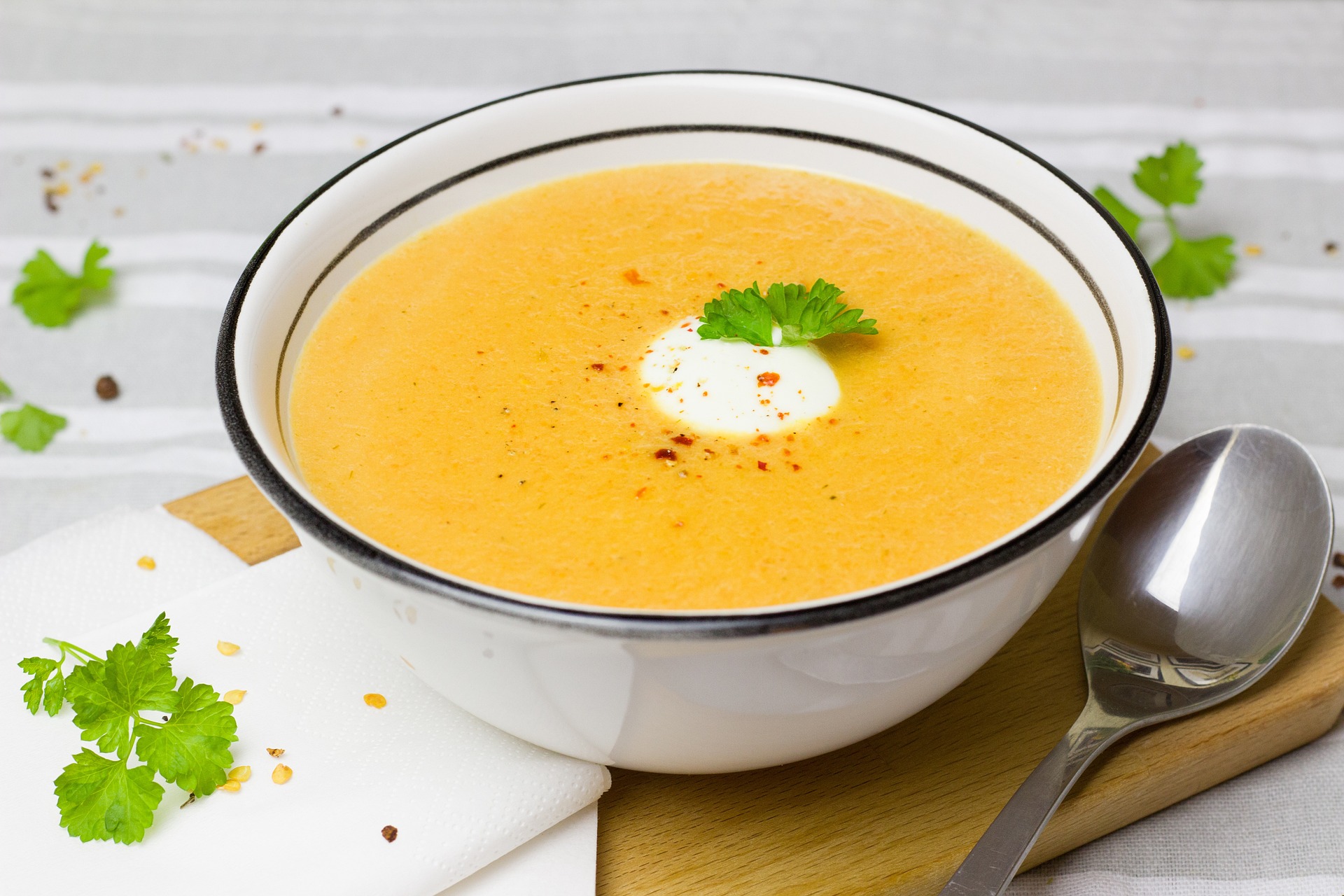
Choosing Ingredients:
The foundation of any excellent soup lies in selecting lean, fresh meats such as beef, mutton, or veal. These provide rich flavors essential for a well-rounded soup. Avoid stale meat, as it compromises taste, and steer clear of fatty cuts, which are less suitable for soup preparation. The key to a flavorful soup is balancing ingredients so no single flavor overpowers the others, resulting in a harmonious blend.
Preparation Tips:
- Cleaning and Proportioning: Ensure all roots and herbs are thoroughly cleaned. Use about one quart of water for every pound of meat in soups, and half that for gravies.
- Cooking Method: Gentle simmering or stewing in a well-sealed pot yields the best results. While occasional exposure to air may enhance wholesomeness, a closed vessel ensures a rich flavor.
- Cooking Time: Soups typically require 3–6 hours to prepare and are often better when made a day ahead. Cooling allows easy removal of fat, and care should be taken not to disturb the fine sediment at the bottom when pouring.
Straining and Consistency:
For clear soups, ensure perfect transparency. Thick soups should resemble the consistency of cream. Straining through a tamis or a cloth soaked in cold water helps achieve the desired texture. To thicken soups, options include potato starch, arrowroot, bread-raspings, barley, rice, or oatmeal. Pounded boiled beef mixed with butter and flour can add body to thin soups.
Storage:
In warm weather, soups should be reheated daily, transferred to clean, scalded containers, and stored in a cool environment. In moderate climates, reheating every other day suffices.
Herbs, Vegetables, and Seasonings:
A variety of herbs and vegetables elevate the flavor of soups and gravies. Common choices include barley, rice, vermicelli, macaroni, parsnips, carrots, turnips, onions, garlic, and leeks. Fried onions blended with butter and flour add depth to brown soups. Fresh herbs like thyme, marjoram, sage, and mint, as well as preserved basil in wine, enhance flavor profiles.
For seasoning, consider bay leaves, tomato, tarragon, ginger, nutmeg, cloves, black and white pepper, essence of anchovy, and citrus juices like lemon or Seville orange. The latter imparts a milder, more refined acidity. Flavor enhancers like wine, mushroom ketchup, and tomato sauce allow endless variations for creating distinctive soups.
Final Note:
Soups intended as the centerpiece of a meal should have a balanced and rich flavor, distinct from sauces, which are designed to complement other dishes. A thoughtful blend of ingredients and careful preparation ensures a delightful and satisfying culinary experience.