
 By admin

Understanding Anxiety Depression: Symptoms, Causes, and Effective Treatment Strategies
Introduction
In today’s fast-paced world, where multitasking and high-stress environments have become the norm, mental health issues like anxiety and depression are on the rise. Many individuals experience persistent worry, fatigue, and emotional burnout that go beyond typical stress responses. What starts as normal anxiety can evolve into a more serious condition known as anxiety depression—a combination of anxiety disorders and depressive symptoms that can significantly impair a person’s daily functioning and overall well-being.
Recognizing the signs and understanding how to manage anxiety depression is essential for maintaining mental wellness. This comprehensive guide explores the causes, symptoms, types, and modern treatment options available for anxiety depression.
What Is Anxiety Depression?
Anxiety depression refers to a condition where symptoms of both anxiety and depression occur simultaneously. It can manifest as excessive worry, restlessness, chronic fatigue, and a deep sense of hopelessness. The dual impact of these disorders can create a vicious cycle—depressive thoughts feeding anxiety and vice versa.
Key Characteristics
-
Persistent feelings of worry or fear
-
Fatigue and low energy
-
Difficulty concentrating
-
Insomnia or oversleeping
-
Irritability and restlessness
-
Loss of interest in activities once enjoyed
-
Feelings of guilt or worthlessness
These symptoms can vary in intensity and duration, depending on the individual and their circumstances.
Causes of Anxiety Depression
Understanding the root causes of anxiety depression is essential for effective treatment. The condition is often the result of a combination of biological, psychological, and environmental factors.
1. Biological and Genetic Factors
Genetics plays a significant role in predisposing individuals to mood and anxiety disorders. People with a family history of depression or anxiety are more likely to experience similar conditions.
2. Brain Chemistry and Hormonal Imbalances
Neurotransmitters such as serotonin, dopamine, and norepinephrine influence mood regulation. Imbalances in these chemicals can lead to symptoms of anxiety and depression.
3. Chronic Stress and Trauma
Prolonged exposure to stressful situations—such as financial difficulties, job pressure, or traumatic events—can trigger anxiety depression. This includes both acute trauma (e.g., accidents, assaults) and chronic emotional stress (e.g., toxic relationships).
4. Medical Conditions
Certain medical conditions like thyroid disorders, chronic illnesses, or neurological disorders can also contribute to the development of anxiety depression.
5. Substance Abuse
Alcohol, drug use, and even some prescription medications can worsen symptoms of depression and anxiety, often masking or amplifying underlying mental health issues.
Types of Depression and Related Anxiety Disorders
Depression and anxiety disorders can manifest in several distinct forms. Understanding these variations can help in identifying the most appropriate treatment.
1. Major Depressive Disorder (MDD)
MDD is characterized by a persistent low mood and loss of interest in daily activities. When paired with anxiety, symptoms become more severe and harder to treat without intervention.
2. Generalized Anxiety Disorder (GAD)
GAD involves chronic, exaggerated worry about routine life events, often accompanied by physical symptoms such as muscle tension, rapid heartbeat, and insomnia.
3. Bipolar Disorder (Manic Depression)
This disorder features mood swings ranging from high-energy manic phases to deeply depressive lows. Anxiety often accompanies both phases, complicating diagnosis and treatment.
4. Postpartum Depression
New mothers may experience this form of depression due to hormonal shifts, sleep deprivation, and the emotional challenges of motherhood. Anxiety about the baby’s safety and self-doubt are common.
5. Dysthymia (Persistent Depressive Disorder)
A milder but long-lasting form of depression, dysthymia can still significantly disrupt life, especially when coupled with generalized anxiety symptoms.
6. Cyclothymic Disorder
A less intense version of bipolar disorder, this condition involves mood swings that include mild depression and hypomania, often complicated by episodes of anxiety.
7. Seasonal Affective Disorder (SAD)
SAD occurs in specific seasons, particularly winter, due to reduced sunlight. Symptoms often include fatigue, sadness, and anxiety, and can be treated with light therapy and vitamin D supplementation.
Diagnosis and Self-Awareness
Accurate diagnosis is crucial. Anxiety depression is often mistaken for other mental health conditions or dismissed as mere stress. A qualified mental health professional can conduct psychological evaluations and standardized screening tests to determine the exact condition.
Importance of Self-Honesty
Acknowledging symptoms and being honest about mental health struggles is the first step toward healing. Denial or minimizing emotional distress only delays effective treatment.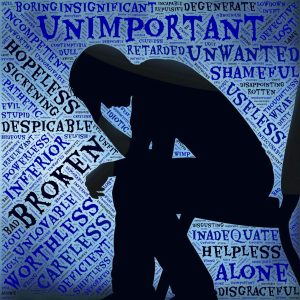
Effective Treatment Options
Fortunately, anxiety depression is highly treatable with a combination of therapy, medication, and lifestyle changes. Treatment plans should be tailored to individual needs and guided by mental health professionals.
1. Cognitive Behavioral Therapy (CBT)
CBT remains one of the most effective psychotherapies for treating both depression and anxiety. It helps individuals identify and challenge distorted thought patterns, develop coping mechanisms, and regain control over their emotions.
2. Medication
Antidepressants such as SSRIs (Selective Serotonin Reuptake Inhibitors) and SNRIs (Serotonin and Norepinephrine Reuptake Inhibitors) are commonly prescribed. In some cases, anti-anxiety medications or mood stabilizers may also be used under close supervision.
3. Mindfulness and Meditation
Mindfulness-based cognitive therapy (MBCT) combines traditional CBT with meditation techniques. Practicing mindfulness reduces stress, improves mood, and helps prevent relapse.
4. Exercise and Nutrition
Physical activity and a balanced diet play vital roles in mental health. Regular exercise boosts endorphins, reduces cortisol (stress hormone) levels, and promotes better sleep—crucial for emotional resilience.
5. Sleep Hygiene
Establishing a consistent sleep schedule, limiting screen time before bed, and creating a restful sleep environment are essential steps in managing anxiety and depression symptoms.
6. Support Groups and Community
Talking to others who share similar experiences can provide emotional support and practical advice. Online and in-person support groups have become more accessible and inclusive in 2025.
7. Teletherapy and Online Mental Health Platforms
With advancements in digital healthcare, many patients now access licensed therapists through secure telehealth platforms, allowing for more flexible and confidential treatment.
Preventing Relapse and Managing Long-Term Mental Health
Anxiety depression can be a recurring condition, but ongoing care and self-awareness can minimize the risk of relapse.
-
Regular therapy check-ins
-
Medication adherence (if prescribed)
-
Stress management strategies
-
Engagement in meaningful activities
-
Maintaining healthy relationships
Early intervention and a commitment to wellness are the most powerful tools against anxiety depression.
Conclusion
Anxiety depression is a challenging but manageable condition. By understanding its causes, recognizing the symptoms, and seeking professional help, individuals can reclaim control over their mental health. With modern therapeutic strategies and a proactive lifestyle approach, recovery is not just possible—it’s probable.
If you or someone you know is struggling, remember: help is available, and healing begins with the first step.
Cholesterol-Free Foods for a Healthier Heart