
 By admin
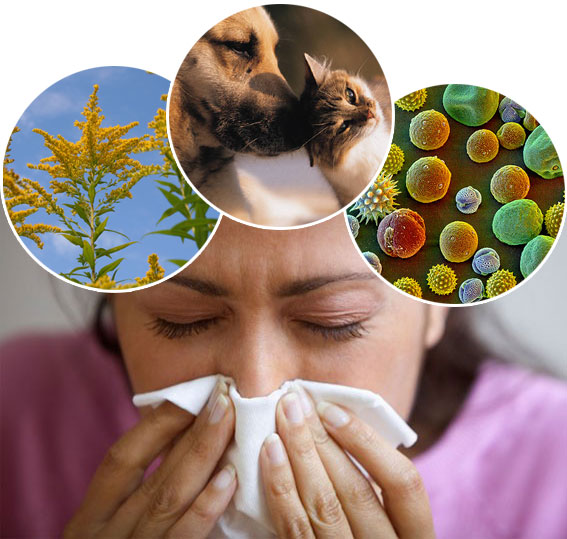
Introduction: The Modern Allergy Epidemic
In today’s world, allergies are among the most common chronic conditions affecting both children and adults. From seasonal pollen and pet dander to certain foods and medications, allergic reactions can be triggered by countless environmental and biological factors. While some people experience only mild discomfort, others may face life-threatening symptoms that demand urgent medical care. Understanding common allergy symptoms, their causes, and the most effective management strategies is essential to maintaining a healthy and comfortable life.
This comprehensive guide explores the various types of allergies, their mild, moderate, and severe symptoms, and modern approaches to diagnosis and treatment. It also highlights preventive strategies and emerging therapies that can help individuals take control of their allergic reactions in 2025 and beyond.
1. What Are Allergies?
1.1 The Body’s Overreaction
An allergy occurs when the immune system mistakenly identifies a harmless substance—known as an allergen—as a threat. To defend itself, the body releases chemicals such as histamines and immunoglobulin E (IgE) antibodies, leading to symptoms like sneezing, itching, and inflammation.
1.2 Common Types of Allergies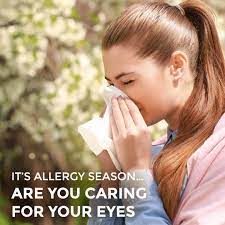
- Seasonal Allergies (Hay Fever): Triggered by pollen from trees, grasses, and weeds, typically occurring in spring and fall.
- Food Allergies: Caused by foods like peanuts, shellfish, dairy, eggs, or wheat.
- Drug Allergies: Reactions to medications such as antibiotics or pain relievers.
- Insect Allergies: Triggered by stings or bites from bees, wasps, or mosquitoes.
- Pet and Dust Allergies: Caused by animal dander, dust mites, and household irritants.
- Mold Allergies: Resulting from exposure to mold spores in damp environments.
Understanding which type affects you is the first step toward effective treatment and prevention.
2. Common Allergy Symptoms
2.1 Mild Allergy Symptoms
Mild allergic reactions are the most common and can often be managed at home with lifestyle changes and over-the-counter treatments. Typical symptoms include:
- Sneezing and runny nose
- Itchy or watery eyes
- Mild skin rash or redness
- Nasal congestion or slight coughing
- Fatigue and mild headaches
These symptoms often appear shortly after exposure to an allergen and tend to subside when contact is minimized or with the help of antihistamines.
2.2 Moderate Allergy Symptoms
Moderate allergies cause greater discomfort and may affect daily functioning. Common symptoms include:
- Persistent coughing or wheezing
- Itchy skin or widespread rash
- Increased nasal congestion and sinus pressure
- Swelling around the eyes or lips
- Difficulty sleeping due to respiratory discomfort
If these symptoms persist for days or worsen despite treatment, medical consultation is highly recommended.
2.3 Severe Allergy Symptoms (Anaphylaxis)
Severe allergic reactions—known as anaphylaxis—are life-threatening and require immediate medical attention. Symptoms may include:
- Difficulty breathing or swallowing
- Rapid or weak pulse
- Swelling of the throat, tongue, or face
- Severe abdominal pain or vomiting
- Dizziness, confusion, or fainting
- Sudden drop in blood pressure
Anaphylaxis can be triggered by certain foods, insect stings, or medications. Individuals at risk are advised to carry an epinephrine auto-injector (EpiPen) at all times.
3. How to Identify and Confirm an Allergy
3.1 Self-Observation
Noticing when and how symptoms appear can provide important clues. Keep a symptom diary, noting foods, environments, or substances you were exposed to before symptoms began.
3.2 Professional Diagnosis
Visiting a healthcare professional ensures accurate identification of allergens. Common diagnostic tests include:
- Skin Prick Test: Small amounts of potential allergens are applied to the skin to check for reactions.
- Blood Test (IgE Testing): Measures specific antibodies associated with allergic responses.
- Elimination Diets: Used for identifying food allergies by removing and reintroducing specific foods.
3.3 Digital Allergy Trackers
In recent years, mobile health apps and wearable devices have made allergy tracking easier. These tools monitor environmental allergens, air quality, and symptom trends—providing data that can be shared with healthcare providers for personalized treatment.
4. Modern Treatments for Allergy Relief
4.1 Over-the-Counter Medications
- Antihistamines: Reduce sneezing, itching, and watery eyes.
- Decongestants: Relieve nasal blockage and sinus pressure.
- Corticosteroid Nasal Sprays: Control inflammation for chronic allergy sufferers.
4.2 Prescription Medications
For more persistent cases, doctors may prescribe:
- Leukotriene Modifiers: Block inflammatory chemicals involved in allergic reactions.
- Stronger Corticosteroids or Inhalers: Especially for asthma-related allergies.
- Allergy Shots (Immunotherapy): Gradual exposure to allergens to build long-term tolerance.
4.3 Natural and Holistic Remedies
- Saline Nasal Rinses: Help clear allergens from nasal passages.
- Honey (Local Varieties): Believed to help the body adapt to local pollen.
- Herbal Remedies: Butterbur, spirulina, and quercetin have shown promise in clinical studies.
- Air Purifiers and Humidifiers: Improve indoor air quality and reduce exposure.
4.4 Emerging Allergy Treatments
Cutting-edge therapies are reshaping allergy care:
- Biologic Drugs: Target specific immune responses responsible for allergies.
- DNA-Based Allergy Vaccines: Currently in development, offering long-term immune tolerance.
- Microbiome Therapy: Using probiotics to strengthen the immune system’s balance.
5. Managing Allergies in Daily Life
5.1 Environmental Control
Simple changes can make a huge difference:
- Keep windows closed during high pollen seasons.
- Wash bedding weekly in hot water.
- Use HEPA filters in air purifiers and vacuum cleaners.
- Keep pets out of bedrooms and groom them regularly.
5.2 Diet and Nutrition
Certain foods can help support the immune system and reduce inflammation:
- Vitamin C-rich fruits (oranges, kiwis) act as natural antihistamines.
- Omega-3 fatty acids (found in fish and flaxseeds) reduce allergic inflammation.
- Probiotic foods (yogurt, kefir) enhance gut health, linked to allergy resistance.
5.3 Lifestyle Adjustments
- Shower and change clothes after outdoor activities.
- Avoid smoking and exposure to strong perfumes.
- Exercise indoors during high pollen days.
- Stay informed about local air quality indexes.
6. When to Seek Medical Help
While mild symptoms can often be managed independently, professional medical care is crucial when:
- Breathing becomes difficult.
- Swelling affects the throat or tongue.
- Over-the-counter medications fail to relieve symptoms.
- You suspect a food or drug allergy.
- An allergic reaction becomes progressively worse.
Early intervention can prevent complications and provide faster relief through personalized treatment plans.
7. Preventing Allergic Reactions
Prevention is often the best form of treatment. Here’s how to minimize your risks:
- Identify triggers: Keep a record of environments or foods that provoke symptoms.
- Plan for emergencies: Always carry prescribed medications.
- Consult an allergist annually: Especially if symptoms evolve over time.
- Maintain a clean home environment: Reduce mold, dust, and pet dander buildup.
- Educate family and coworkers: Ensure others know how to respond to an allergic emergency.
Conclusion: Living Well with Allergies
Allergies, though common, need not control your life. By recognizing symptoms early, adopting preventive measures, and seeking professional guidance, you can enjoy a healthy, active lifestyle with minimal disruptions. Advances in medicine and technology have made it easier than ever to diagnose, monitor, and treat allergic reactions effectively. Whether your symptoms are seasonal or chronic, mild or severe, the key lies in awareness, proactive care, and medical support.
In an era of rising allergy prevalence, understanding your body’s responses is more than self-care—it’s empowerment.
Inside the California Magic Tan Experience