
 By admin
Introduction: Why Aerobics Still Matter in Modern Fitness
In an age where fitness trends shift rapidly—from high-intensity interval training (HIIT) to yoga fusions and digital workouts—aerobics remains one of the most effective and accessible ways to build endurance, burn calories, and strengthen muscles. Beyond the nostalgic image of 1980s workout videos, aerobics today is a scientifically backed method to improve cardiovascular health, increase energy levels, and tone the body holistically.
Among all body areas, the abdomen—or “core”—is one of the most commonly targeted zones. People often desire a flatter, firmer stomach, not just for aesthetics but for better posture, improved mobility, and enhanced overall strength. Yet, targeting abdominal muscles through aerobics requires more than random movement; it involves precision, proper technique, and consistency.
This article explores how to use aerobic exercises strategically to target the abdomen, boost metabolic efficiency, and improve long-term health. It blends modern research, practical advice, and workout techniques designed to help anyone—from beginners to advanced fitness enthusiasts—build a stronger, more defined midsection.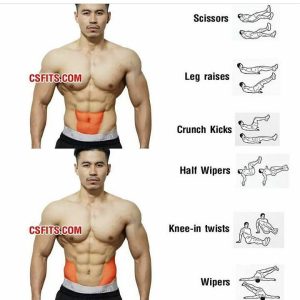
Understanding Aerobics and Abdominal Health
What Are Aerobic Exercises?
Aerobic exercise, often referred to as cardio, involves sustained movement that elevates your heart rate and increases oxygen circulation throughout the body. Activities like running, swimming, cycling, dancing, and brisk walking are all forms of aerobics.
The primary benefits of aerobic workouts include:
- Improved cardiovascular health
- Enhanced lung capacity
- Better mood and reduced stress (through endorphin release)
- Weight management and fat loss
- Increased stamina and energy levels
Aerobics can be adapted for all fitness levels, making it ideal for both weight loss and muscle toning, especially when specific areas—like the abdomen—are consciously engaged.
Why Focus on the Abdomen?
The abdominal region is more than just a visual concern; it plays a central role in overall body mechanics. The muscles in your abdomen include:
- Rectus abdominis: The “six-pack” muscle responsible for flexing the spine.
- Obliques (internal and external): These muscles assist in twisting and side bending.
- Transverse abdominis: The deep muscle that stabilizes the spine and supports internal organs.
A strong abdomen enhances posture, reduces lower back pain, improves balance, and supports nearly every movement your body performs daily. Aerobic routines that engage these muscles can burn fat while sculpting and strengthening the core simultaneously.
How Aerobics Helps Target Abdominal Fat
The Science Behind Fat Burn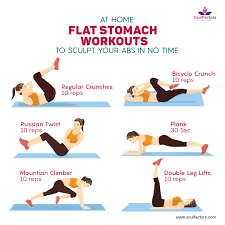
When you engage in aerobic exercise, your body uses oxygen to convert stored fat into energy. The longer you sustain your heart rate in the target aerobic zone (typically 60–80% of your maximum heart rate), the more efficiently your body burns fat.
However, you cannot spot-reduce fat—meaning, doing crunches alone will not burn belly fat. Instead, combining aerobic activity with targeted abdominal engagement ensures that as fat is burned systemically, your abdominal muscles develop and tone underneath.
Aerobic Intensity and Duration
Research suggests that performing aerobic exercises for at least 30–60 minutes per session, 3–5 times a week, yields significant fat loss and muscular benefits.
To specifically target abdominal fat:
- Focus on medium to high-intensity workouts like dancing, jogging, or cycling.
- Incorporate core-focused movements (twists, knee lifts, torso rotations) throughout the workout.
- Maintain a consistent breathing rhythm—deep inhalation and exhalation strengthen the diaphragm and support core engagement.
Effective Aerobic Exercises for the Abdomen
1. Standing Core Aerobics
Standing aerobics are excellent for beginners and can be performed anywhere—no equipment required.
- Side Bends with Reach: While marching in place, extend one arm overhead and bend sideways, feeling the stretch in your obliques. Alternate sides.
- High Knee Marches: Lift your knees toward your chest as you swing your arms. Focus on using your lower abdominal muscles to control the movement.
- Torso Twists: Stand with knees slightly bent, hold your core tight, and rotate your torso side-to-side, maintaining a rhythmic motion.
2. Cardio with Core Engagement
Incorporate abdominal tension into traditional cardio movements.
- Running or Jogging: While running, tighten your core as if bracing for impact. This stabilizes your body and tones abdominal muscles.
- Jumping Jacks: Add a small twist of the torso at the top of each jump to work the obliques.
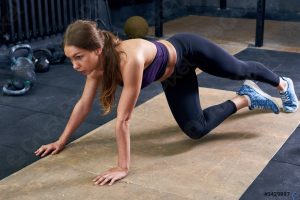
- Mountain Climbers: Begin in a plank position and rapidly alternate knee drives toward your chest. This is both cardio-intensive and core-strengthening.
3. Dance-Based Aerobics
Dance workouts like Zumba, hip-hop aerobics, or belly dancing are dynamic ways to target the abdomen.
- The constant movement keeps your heart rate elevated.
- Twisting and swaying motions engage all layers of the abdominal wall.
- Music adds motivation, making longer sessions more sustainable.
4. Aerobic Pilates and Yoga Fusion
Modern fitness classes often blend aerobic cardio with core-focused Pilates or yoga sequences.
- Pilates roll-ups and plank transitions tone the abdomen while maintaining steady aerobic activity.
- Sun salutations in yoga, performed at a brisk pace, offer similar benefits with added flexibility gains.
Advanced Aerobic Techniques for Core Development
Interval Training with Ab Focus
High-Intensity Interval Training (HIIT) can be tailored for abdominal engagement:
- 30 seconds of jump squats
- 20 seconds of mountain climbers
- 30 seconds of plank jacks
- 10 seconds rest
Repeat for 5–8 rounds.
This approach maximizes fat burn while strengthening the abdominal and oblique muscles through dynamic motion.
Resistance Aerobics
Adding resistance bands or light weights can increase the difficulty and effectiveness of aerobic ab workouts.
For example:
- Perform standing oblique crunches with a resistance band.
- Use weighted punches while twisting your torso.
These variations enhance muscle engagement without sacrificing cardio intensity.
Lifestyle Factors That Support Abdominal Aerobic Goals
1. Nutrition and Hydration
Aerobic workouts burn calories, but nutrition determines how effectively you lose fat.
- Consume lean proteins, complex carbohydrates, and healthy fats to support muscle recovery.
- Avoid processed sugars and refined carbs that promote belly fat storage.
- Drink at least 2–3 liters of water daily to maintain metabolism and muscle function.
2. Sleep and Recovery
Sleep influences hormone regulation, including cortisol, which affects abdominal fat accumulation.
Aim for 7–8 hours of quality sleep per night to support fat metabolism and muscle repair.
3. Consistency and Progress Tracking
Regular aerobic sessions combined with progressive intensity yield the best results.
- Track your workouts with fitness apps.
- Measure waist circumference monthly.
- Take progress photos to stay motivated.
Common Mistakes When Targeting the Abdomen
- Neglecting Form: Many people move their arms and legs excessively, neglecting core activation. Always initiate movement from your abdomen.
- Overtraining: Excessive abdominal workouts without rest can cause muscle strain. Allow at least one rest day between intense sessions.
- Poor Breathing: Shallow breathing limits oxygen flow. Deep, rhythmic breathing enhances endurance and muscle control.
- Ignoring Overall Fitness: Core strength develops faster when the entire body is trained synergistically.
Conclusion: Building a Stronger Core Through Smart Aerobics
Aerobic exercise remains one of the most powerful tools for fat loss, cardiovascular health, and overall vitality. By integrating abdominal engagement into your aerobic sessions, you can transform routine workouts into powerful core-sculpting sessions that improve posture, strength, and confidence.
Whether you’re jogging in the park, dancing in your living room, or joining a fitness class, remember that the key lies in intentional movement—engaging your abdomen, maintaining proper breathing, and sustaining effort consistently.
With the right combination of aerobic precision, balanced nutrition, and persistence, a toned, strong midsection is not just an aesthetic goal—it’s the foundation of better health and energy for life.
The Promise and Reality of Fitness Equipment