
 By admin

The Fight-or-Flight Response: How Your Body Reacts to Fear and Stress
Introduction
Fear is not a weakness, nor is it a flaw in human biology. On the contrary, it is one of the most powerful survival mechanisms ever developed through evolution. Long before modern society, technology, and medicine, fear was the invisible force that kept our ancestors alive in the face of predators, environmental threats, and hostile encounters. Today, although most of us no longer face life-or-death dangers on a daily basis, our bodies still react as if we do.
This automatic survival reaction is known as the fight-or-flight response. It is an inherited physiological mechanism designed to prepare the body for immediate action—either to confront a threat or to escape from it. When this response is activated, a cascade of neurological and hormonal events unfolds within seconds, dramatically altering heart rate, breathing, muscle readiness, and mental focus.
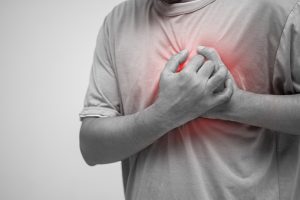
In modern life, however, the triggers of this response are often psychological rather than physical. Deadlines, public speaking, financial pressure, emotional conflicts, or unexpected stressors can provoke the same biological reaction as a wild animal attack once did. Understanding what happens inside your body during these moments is essential—not only for managing stress, but also for protecting long-term cardiovascular and mental health.
This article explores, in depth and with up-to-date scientific insight, what exactly happens inside your body when fear strikes, how your nervous system and hormones interact, why your heart races, and how your body eventually returns to balance. By the end, you will gain a clearer understanding of why stress feels the way it does—and how awareness can help you regain control.
1. The Evolutionary Origins of the Fight-or-Flight Response
1.1 A Survival Mechanism Passed Down Through Generations
The fight-or-flight response is deeply rooted in human evolution. For early humans, survival depended on rapid reactions to immediate danger. A hesitation of even a few seconds could mean the difference between life and death. As a result, natural selection favored individuals whose bodies could respond swiftly and decisively to threats.
This response became genetically encoded, ensuring that future generations inherited the same protective mechanism. Although the environment has changed dramatically, the biological wiring remains largely the same.
1.2 Why the Body Still Reacts the Same Way Today
Despite living in relatively safe conditions, the human brain does not differentiate well between physical and psychological threats. A looming work deadline or an intense argument can trigger the same alarm systems as a predator would have thousands of years ago. This mismatch between ancient biology and modern stressors explains why many people experience chronic stress-related symptoms.
2. The Brain’s Alarm System: Detecting Danger
2.1 The Role of the Amygdala
At the center of the fear response lies a small, almond-shaped structure in the brain known as the amygdala. This region is responsible for emotional processing, especially fear and threat detection. When the amygdala perceives danger—real or perceived—it sends an immediate distress signal to the hypothalamus.
Importantly, this process occurs faster than conscious thought. That is why fear often feels instantaneous and uncontrollable.
2.2 The Hypothalamus: Command Center of the Stress Response
The hypothalamus acts as a bridge between the nervous system and the endocrine (hormonal) system. Once alerted by the amygdala, it activates the sympathetic nervous system, which functions like a biological accelerator pedal.
This activation marks the official beginning of the fight-or-flight response.
3. Activation of the Sympathetic Nervous System
3.1 The Body’s Accelerator Pedal
The sympathetic nervous system prepares the body for intense physical action. It sends signals throughout the body via nerve pathways, instructing various organs to shift into high-performance mode.
This includes the heart, lungs, blood vessels, eyes, and muscles—all of which undergo immediate and measurable changes.
3.2 Instantaneous Communication
Unlike hormonal responses that take minutes, neural signals travel almost instantaneously. This allows the body to react within fractions of a second, maximizing survival chances in dangerous situations.
4. The Hormonal Surge: Adrenaline and Cortisol
4.1 Adrenaline: The Emergency Fuel
One of the most well-known hormones released during the fight-or-flight response is adrenaline (epinephrine). Secreted by the adrenal glands, adrenaline floods the bloodstream and triggers multiple effects:
- Increased heart rate
- Elevated blood pressure
- Faster breathing
- Enhanced muscle contraction
- Heightened alertness
Adrenaline ensures that oxygen and glucose are rapidly delivered to muscles, enabling explosive strength and speed.
4.2 Cortisol: Sustaining the Stress Response
Alongside adrenaline, the body releases cortisol, often referred to as the “stress hormone.” Cortisol helps maintain energy availability by increasing blood sugar levels and suppressing non-essential functions such as digestion and immune responses.
While cortisol is essential in short bursts, prolonged elevation can have negative health consequences, including fatigue, anxiety, and cardiovascular strain.
5. The Heart in Overdrive: Why Palpitations Occur
5.1 Turbo-Charged Circulation
When adrenaline signals the heart to beat faster and harder, the goal is simple: maximize blood flow to the muscles. This turbo-charged circulation delivers oxygen and nutrients where they are needed most.
As a result, many people experience heart palpitations, a pounding or racing sensation in the chest that can feel alarming but is usually harmless in healthy individuals.
5.2 Blood Redistribution
Blood is redirected away from non-essential organs such as the digestive system and toward skeletal muscles, the brain, and the heart. This redistribution enhances physical performance but may cause sensations such as cold hands or a “knot” in the stomach.
6. Breathing, Vision, and Sensory Enhancement
6.1 Accelerated Respiration
The lungs respond to stress by increasing breathing rate. Faster respiration ensures that more oxygen enters the bloodstream, supporting muscular and cognitive demands.
However, shallow or rapid breathing can sometimes lead to dizziness or a feeling of breathlessness, especially during anxiety episodes.
6.2 Pupil Dilation and Heightened Awareness
Stress causes the pupils to dilate, allowing more light into the eyes and improving visual acuity. At the same time, hearing and attention become more focused, enabling rapid detection of potential threats.
This heightened sensory awareness is another evolutionary advantage designed for survival.
7. Shutting Down Non-Essential Functions
7.1 Digestive Suppression
During fight-or-flight, digestion is temporarily suppressed. Energy that would normally be used for breaking down food is redirected toward immediate survival needs.
This explains why stress can cause nausea, appetite loss, or gastrointestinal discomfort.
7.2 Immune System Modulation
Short-term stress can enhance immune readiness, but chronic stress suppresses immune function, increasing vulnerability to illness.
8. The Parasympathetic Nervous System: Restoring Balance
8.1 The Body’s Brake System
Once the perceived danger has passed, the parasympathetic nervous system takes over. Often referred to as the “rest-and-digest” system, it acts as a biological brake, slowing heart rate, reducing blood pressure, and normalizing breathing.
8.2 Returning to Homeostasis
This recovery phase is essential for long-term health. It allows the body to repair tissues, resume digestion, and stabilize hormone levels. Problems arise when stress is constant and the parasympathetic system does not get sufficient opportunity to restore balance.
9. Modern Stress and Chronic Activation
9.1 When Survival Mode Becomes the Norm
In modern society, stressors are often persistent rather than episodic. Constant emails, social pressure, financial uncertainty, and information overload can keep the body in a near-continuous state of low-level fight-or-flight activation.
9.2 Health Implications
Chronic activation of the stress response is associated with:
- High blood pressure
- Heart disease
- Anxiety disorders
- Sleep disturbances
- Hormonal imbalances
Understanding these mechanisms is the first step toward managing stress more effectively.
Conclusion
The fight-or-flight response is a remarkable testament to the power and efficiency of human biology. Designed to protect us from immediate danger, it mobilizes the brain, nervous system, hormones, and cardiovascular system in perfect synchrony. However, in a world where threats are often psychological rather than physical, this ancient survival mechanism can sometimes work against us.
By understanding what happens inside your body during moments of fear or stress—why your heart races, why your breathing changes, and why your senses sharpen—you gain the ability to respond with awareness rather than panic. While the information presented here is purely educational and not a substitute for medical advice, it highlights the importance of recognizing stress signals and respecting the body’s need for recovery.
Ultimately, knowledge empowers balance. When you understand your body’s responses, you are better equipped to manage stress, protect your health, and navigate modern life with greater resilience.
Why Oxygen-Based Colon Cleansing Works