
 By admin
The Avian Marvel: A Comprehensive Exploration of the Life of Ducks
Introduction
Among the vast diversity of bird species that inhabit our planet, ducks hold a unique and enduring fascination. Belonging to the biological family Anatidae, ducks are far more than simple waterfowl paddling serenely across ponds. They are evolutionary masterpieces, shaped by millions of years of natural selection to thrive in environments that range from frozen Arctic wetlands to warm tropical marshes. Their presence spans nearly every continent, making them one of the most widely distributed and ecologically influential bird groups on Earth.
Often overshadowed by swans and geese, ducks exhibit an extraordinary combination of physical adaptability, behavioral intelligence, and ecological importance. They are skilled flyers, efficient swimmers, and resilient foragers capable of exploiting both aquatic and terrestrial ecosystems. Beyond their biological success, ducks also play a significant role in human culture, agriculture, and environmental science.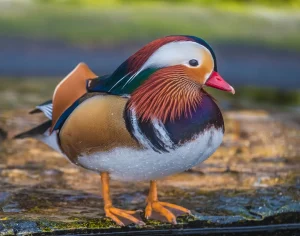
This comprehensive article explores the life of ducks in depth, examining their taxonomy, anatomy, behavior, migration, diet, ecological impact, conservation challenges, and cultural significance. By understanding the life of a duck, we gain valuable insight into the delicate balance of wetland ecosystems and the broader health of our planet.
1. Taxonomic Diversity and Evolutionary Excellence
Ducks are not a single species but a diverse assemblage of birds within the Anatidae family. Their classification reflects a remarkable range of evolutionary strategies adapted to different habitats and feeding styles.
1.1 Major Duck Lineages
Dabbling Ducks (Anatinae)
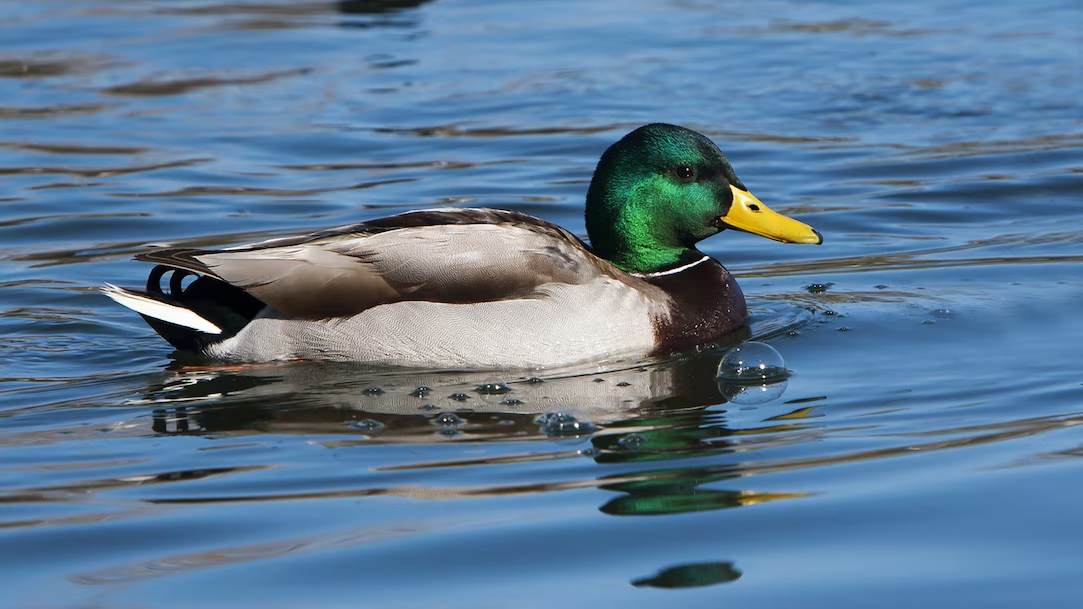
Dabbling ducks are among the most familiar and widespread. They feed primarily at the water’s surface or by tipping forward in shallow water, leaving their tails pointing skyward. Species such as the Mallard (Anas platyrhynchos), Northern Pintail, and Teal exemplify this group. Their lightweight bodies and centrally positioned legs allow for rapid takeoff, a crucial advantage in predator-rich environments.
Diving Ducks (Aythyinae)
Diving ducks are built for underwater foraging. With heavier bodies, denser bones, and legs positioned farther back, they are excellent swimmers but less agile on land. Species such as the Canvasback and Tufted Duck dive deeply to capture mollusks, aquatic insects, and small fish.
Sea Ducks and Mergansers
Adapted to coastal and marine environments, sea ducks possess thick plumage and specialized salt glands that allow them to drink seawater. Mergansers, with their narrow, serrated bills, are expert fish hunters, perfectly suited for gripping slippery prey.
1.2 Evolutionary Adaptations
The evolutionary success of ducks lies in their highly specialized traits. Waterproof feathers, efficient metabolism, and behavioral flexibility enable them to survive extreme temperatures and fluctuating food availability. These adaptations illustrate how evolution has fine-tuned ducks to exploit ecological niches that few other birds can occupy.
2. Anatomical Precision: Built for Life on Water and Land
A duck’s anatomy represents a delicate balance between flight efficiency and aquatic specialization.
2.1 Feather Structure and Waterproofing
Duck feathers are coated with oil produced by the uropygial, or preen, gland located near the tail. Through constant grooming, ducks spread this oil across their plumage, creating a water-repellent barrier. Beneath the outer feathers lies a dense layer of down that traps air, providing insulation and buoyancy even in icy waters.
2.2 The Multifunctional Bill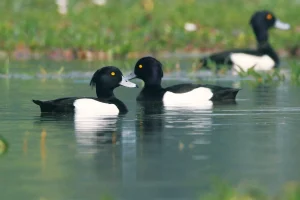
Unlike the sharp beaks of predatory birds, a duck’s bill is designed for versatility. The edges contain lamellae—tiny comb-like ridges that act as natural filters. This structure allows ducks to strain seeds, algae, and small invertebrates from water and mud with remarkable efficiency.
2.3 Webbed Feet and Thermoregulation
Webbed feet function as powerful paddles, enabling swift and controlled swimming. Even more impressive is the counter-current heat exchange system in a duck’s legs. Warm blood flowing from the body transfers heat to cooler blood returning from the feet, minimizing heat loss and allowing ducks to stand comfortably on ice or snow.
3. The Annual Cycle: Migration, Molting, and Survival
For many species, the life of a duck is defined by seasonal movement and transformation.
3.1 Long-Distance Migration
Ducks are among the most accomplished migratory birds. Some species travel thousands of kilometers each year between breeding and wintering grounds. Flying in V-shaped formations reduces wind resistance, conserving energy during long journeys. These migrations are triggered by changes in daylight, temperature, and food availability.
3.2 Navigation and Orientation
Scientific research suggests that ducks use a combination of celestial navigation, visual landmarks, and the Earth’s magnetic field to find their way across continents. Their ability to return to the same breeding sites year after year demonstrates an extraordinary navigational memory.
3.3 Molting: A Vulnerable Phase
After the breeding season, ducks undergo a molting period during which they temporarily lose the ability to fly. During this time, they rely heavily on camouflage, group behavior, and safe habitats to avoid predators.
4. Behavioral Ecology and Social Intelligence
Ducks are highly social birds, displaying complex communication and group dynamics.
4.1 Communication and Social Signals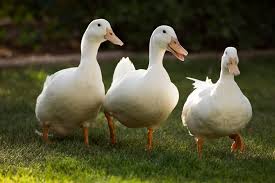
Ducks communicate using a rich array of vocalizations, body movements, and visual displays. Head-bobbing, wing-flapping, and specific calls convey information about danger, courtship, and social hierarchy.
4.2 Mating Systems and Courtship Displays
During the breeding season, male ducks, known as drakes, often display vibrant, iridescent plumage to attract females. Courtship rituals can include synchronized swimming, vocal calls, and elaborate postures. While most ducks form seasonal pair bonds rather than lifelong ones, these bonds are essential for successful reproduction.
4.3 The Life of a Duckling
Ducklings are precocial, meaning they hatch with open eyes and the ability to walk, swim, and feed themselves within hours. However, maternal care remains vital. The mother leads them to feeding areas, provides warmth, and protects them from predators such as birds of prey, turtles, and large fish.
5. Dietary Habits and Ecological Impact
Ducks are omnivores with highly adaptable feeding strategies.
5.1 Seasonal and Species-Based Diets
Their diet includes aquatic plants, seeds, grains, insects, crustaceans, and small fish. During breeding season, females increase protein intake to support egg production, while ducklings rely heavily on invertebrates for rapid growth.
5.2 Ducks as Ecosystem Engineers
By feeding and moving between wetlands, ducks contribute to seed dispersal and nutrient cycling. Their foraging behavior helps control insect populations and maintain balanced aquatic vegetation, making them essential contributors to wetland biodiversity.
6. Modern Challenges and Conservation Efforts
Despite their adaptability, ducks face growing threats in the modern world.
6.1 Habitat Loss and Pollution
Wetlands are among the most endangered ecosystems globally. Drainage for agriculture, urban expansion, and industrial development has significantly reduced available habitat. Pollution from plastics, pesticides, and heavy metals further threatens duck populations.
6.2 Climate Change and Ecological Disruption
Rising global temperatures are altering migration timing and breeding patterns. Some ducks now migrate shorter distances or remain in areas that were once too cold, leading to increased competition and ecological imbalance.
6.3 Conservation Initiatives
International conservation programs focus on wetland protection, sustainable hunting practices, and habitat restoration. Preserving duck populations ultimately benefits countless other species that rely on healthy wetlands.
7. Ducks in Human Culture, Agriculture, and Economy
Humans and ducks have shared a close relationship for thousands of years.
7.1 Domestication and Farming
Domesticated ducks such as the Pekin and Khaki Campbell are valued for meat, eggs, and pest control. In rice paddies, ducks naturally reduce insects and weeds, minimizing the need for chemical pesticides.
7.2 Cultural and Symbolic Significance
Across cultures, ducks symbolize adaptability, fidelity, prosperity, and transformation. They appear in folklore, art, and literature, serving as enduring symbols of harmony between land and water.
Conclusion
The life of a duck is a powerful example of evolutionary ingenuity and ecological balance. From their waterproof feathers and specialized bills to their epic migratory journeys and complex social behaviors, ducks embody resilience and adaptability. Their survival is closely tied to the health of wetlands, ecosystems that provide essential services to both wildlife and humans.
Protecting ducks means protecting wetlands, biodiversity, and the natural systems that sustain life on Earth. As sentinels of environmental health, ducks remind us that conservation is not merely about preserving individual species, but about safeguarding the intricate web of life upon which we all depend.
Discover the True Value of Oysters