
 By admin
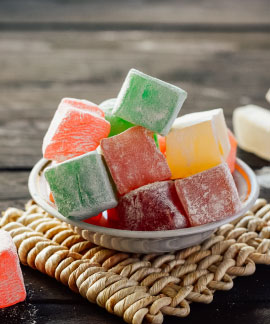
Turkish Delight: The Sweet Story Behind Loukoum, the Iconic Confection from Turkey
Introduction
Few confections embody the spirit of a nation’s culture and history as beautifully as loukoum, known worldwide as Turkish delight. With its soft, chewy texture and delicate aromas, this sweet has captured the hearts of dessert lovers across the globe. From the bustling bazaars of Istanbul to European tea tables, and even into the world of cinema with The Chronicles of Narnia, loukoum has become more than just candy—it is a cultural symbol and a bridge between East and West.
But what exactly is loukoum? Where does it come from, and how did it achieve such global fame? To answer these questions, we must journey back to 18th-century Constantinople, explore the creativity of master confectioners, and trace how this delicacy evolved from a local specialty to an international sensation.
The Origins of Loukoum
Hacı Bekir and the Birth of Turkish Delight
The story of loukoum begins in 1776, when a young confectioner named Bekir Effendi, later honored as Hacı Bekir after his pilgrimage to Mecca, left his hometown of Araç to settle in Constantinople (modern-day Istanbul). At the time, traditional sweets were typically hard and brittle, making them difficult to chew.
Hacı Bekir revolutionized confectionery by experimenting with a blend of sugar, water, and starch (primarily corn starch). This innovative recipe resulted in a soft, tender candy unlike anything the Ottoman Empire had seen before. He named his creation rahat lokum, meaning “comfort to the throat” in Arabic.
His shop, Ali Muhiddin Hacı Bekir, opened in the heart of the Grand Bazaar, quickly became a landmark. Locals, royals, and foreign visitors all fell under the spell of this new delicacy. The sweet’s reputation spread across Europe through travelers and diplomats, where it was eventually rebranded as Turkish delight.
The Evolution of Loukoum
From Simple Recipe to Endless Variations
While the original loukoum was simple, using just starch, sugar, and rosewater, confectioners soon began experimenting with new flavors and textures. Today, loukoum comes in a wide range of styles:
- Nut-filled varieties: Pistachios, hazelnuts, and almonds are embedded in the chewy base, adding crunch and richness.
- Fruit-infused flavors: Lemon, orange, pomegranate, and strawberry remain popular, offering a refreshing twist.
- Coconut and sesame coatings: Provide exotic aromas and a distinct texture.
- Specialty styles: Cream-filled sarmas and slender fingers appeal to modern tastes.
This versatility has allowed loukoum to transcend cultural boundaries and adapt to different palates worldwide.
Loukoum in Literature and Pop Culture
One of the biggest surges in international attention came not from history, but from popular culture. In 1950, C.S. Lewis immortalized Turkish delight in The Lion, the Witch and the Wardrobe. When the 2005 film adaptation was released, the scene where Edmund accepts enchanted loukoums from the White Witch sparked renewed global interest in this Ottoman treat.
Beyond fantasy novels, Turkish delight has found its way into travel blogs, food documentaries, and even luxury gift boxes. Today, it symbolizes both nostalgia and indulgence, appealing to audiences young and old.
The Traditional Recipe of Loukoum
Though industrial versions exist, many still prefer the authentic preparation methods that have been passed down for centuries.
Key Ingredients for Homemade Loukoum
- Water
- 300 g of sugar
- Lemon juice (to prevent crystallization)
- 75 g of corn starch (Maïzena)
- Flavoring (rosewater, orange blossom, lemon, or others)
- Food coloring (optional)
- Icing sugar and additional starch for dusting
Step-by-Step Preparation
- Prepare the syrup: Combine 120 ml of water, sugar, and lemon juice in a saucepan. Bring to a boil until the mixture darkens slightly, reaching 110–120 °C if measured with a thermometer.
- Starch base: In a separate bowl, mix 150 ml of water with corn starch until smooth. Heat until it thickens.
- Combine mixtures: Slowly pour the hot syrup into the starch mixture, stirring continuously. Cook on low heat for about 45 minutes until golden.
- Add flavors and colors: Incorporate rosewater, citrus essence, or other flavorings, along with a drop of coloring.
- Set in molds: Pour into a lined tray and smooth the surface. Leave to rest for 12–24 hours.
- Cut and coat: Slice into cubes and roll each piece in icing sugar mixed with starch to prevent sticking.
The result is a glossy, aromatic treat that melts in the mouth while leaving a lingering sweetness.
Loukoum Beyond Turkey
A Symbol of Hospitality
In Turkey, offering loukoum is more than just sharing a sweet—it is a gesture of hospitality, friendship, and celebration. It is often served with Turkish coffee or tea, given as gifts during religious festivals, and shared at weddings and family gatherings.
Global Spread and Modern Innovations
As the Ottoman Empire interacted with Europe, loukoum began appearing in France, the UK, and later the Americas. In Britain, the name Turkish delight stuck, and by the 19th century, it was considered an exotic luxury.
Today, variations can be found worldwide:
- In France, known as loukoum, it is a gourmet confection found in patisseries.
- In Greece, a similar sweet called loukoumi remains popular.
- In the Middle East and North Africa, adaptations with regional flavors like cardamom, dates, or saffron exist.
Modern chefs have also embraced loukoum, incorporating it into ice creams, pastries, and fusion desserts, proving its timeless versatility.
Health and Nutritional Aspects
While loukoum is primarily enjoyed as a treat, it has some notable qualities:
- Gluten-free (thanks to corn starch)

- Vegetarian-friendly (traditionally without gelatin)
- Moderate shelf life when properly stored in cool, dry places
Of course, like any sweet, moderation is key, as it is high in sugar. However, nut-filled versions offer added protein and healthy fats.
Conclusion
From its humble beginnings in 18th-century Istanbul to its celebrated place in modern confectionery culture, loukoum has remained a symbol of indulgence, hospitality, and tradition. Its soft texture, fragrant flavors, and rich history ensure its place as one of the world’s most beloved sweets.
Whether enjoyed with coffee in a Turkish café, gifted in a luxury box, or rediscovered through cinema and literature, loukoum continues to charm across generations and borders. More than just a dessert, it is a story of cultural exchange, culinary creativity, and timeless delight.
The Art of Cheese Beyond the Ordinary