
 By admin

The Hidden Weight of Poor Eating Habits on Health and the Environment
Introduction
Food is more than just sustenance—it shapes our health, influences economies, and leaves a lasting footprint on the environment. While conversations around nutrition often highlight obesity, diabetes, or cardiovascular disease, a deeper and less visible issue exists: the hidden costs of poor dietary habits. According to the Food and Agriculture Organization (FAO), unhealthy diets are responsible for an estimated $8 trillion in hidden health costs annually. These costs extend beyond medical expenses, encompassing environmental degradation, reduced productivity, and the strain on global food systems.
The urgency to transform global agrifood systems has never been greater. As diets shift from traditional patterns to industrialized consumption, the ripple effects spread across societies and ecosystems. This article explores the multifaceted burden of unhealthy eating—on both human health and the planet—while highlighting pathways toward sustainable solutions.
The Global Economic Toll of Unhealthy Diets
The $8 Trillion Price Tag
The FAO’s recent estimates reveal that poor dietary habits generate more than $8 trillion annually in hidden costs, surpassing the GDP of many advanced economies. These costs are not just medical bills; they encompass:
- Healthcare spending linked to diet-related diseases.
- Lost productivity due to premature deaths and chronic illness.
- Environmental destruction caused by unsustainable farming and food production.
Impact on National Economies
For some emerging economies, the hidden costs of dietary patterns can reach 10% of GDP. This is a staggering figure, particularly when considering that these estimates do not account for the high costs of undernutrition, which remain prevalent in low- and middle-income countries. In short, poor diets are not just a personal health issue—they are a national economic challenge.
How Diets Have Evolved
From Traditional to Industrialized Food Systems
Food systems worldwide have undergone a massive transformation. Traditional diets, once rich in fruits, vegetables, and grains, are increasingly being replaced by industrialized food systems dominated by:
- Processed foods.
- Refined sugars.
- Saturated fats.
- Reduced diversity of whole grains and fresh produce.

This shift has resulted in profound consequences for both public health and environmental sustainability.
Region-Specific Risks
The FAO highlights that dietary risks vary across systems:
- In traditional or crisis-driven systems, the primary concern is the low consumption of fruits and vegetables, leading to micronutrient deficiencies.
- In industrialized systems, the biggest issue is the lack of whole grains, which is strongly linked to chronic conditions like diabetes and cardiovascular disease.
This regional variability underscores the importance of tailoring dietary interventions to local contexts.
The Environmental Costs of Poor Diets
Emissions and Pollution
Industrialized agrifood systems may increase food availability, but they also significantly contribute to environmental harm. Key issues include:
- Greenhouse gas emissions from large-scale meat and dairy production.
- Water pollution due to excessive fertilizer and pesticide use.
- Land degradation from monoculture farming practices.
In countries undergoing economic transition, these environmental costs amount to nearly $720 billion annually, further straining fragile ecosystems.
The Unsustainable Supply Chain
Globalized supply chains contribute to these hidden costs by:
- Increasing carbon emissions through transportation and logistics.
- Encouraging overproduction and waste.
- Prioritizing short-term profits over long-term ecological balance.

Health Impacts of Unhealthy Eating
Diet-Related Diseases on the Rise
The rise of unhealthy eating patterns is directly linked to the growing prevalence of:
- Obesity.
- Type 2 diabetes.
- Hypertension.
- Certain cancers.
- Cardiovascular diseases.
The World Health Organization (WHO) warns that diet-related diseases are now the leading cause of death worldwide, surpassing infectious diseases.
Double Burden of Malnutrition
Paradoxically, many societies face a double burden:
- Undernutrition in vulnerable populations.
- Overnutrition and obesity in urban centers.
This paradox illustrates the systemic failures of modern food systems, which fail to provide equitable access to healthy, affordable, and sustainable diets.
Why Food Systems Need Urgent Transformation
Beyond Individual Choices
While personal responsibility plays a role in dietary health, the scale of the issue demonstrates that this is not merely about individual willpower. Structural issues within the food system—such as subsidies for unhealthy crops, marketing of processed foods, and limited access to fresh produce—create barriers to healthy eating.
The Call for Policy Reform
Experts and organizations like the FAO emphasize the need for:
- Nutrition-sensitive policies that prioritize fruits, vegetables, and whole grains.
- Sustainable farming incentives to reduce the environmental footprint of agriculture.
- Food education programs that empower communities to make informed choices.
Pathways Toward Sustainable and Healthy Diets
Shifting Dietary Patterns
Adopting healthier diets can significantly reduce hidden costs. Research shows that dietary shifts toward plant-based foods and reduced red meat consumption can lower greenhouse gas emissions by up to 30% while improving overall health outcomes.
Technology and Innovation in Food Systems
Emerging technologies are offering innovative solutions:
- Vertical farming to reduce land use.
- Plant-based alternatives to meat and dairy.
- Precision agriculture to minimize water and pesticide waste.
- AI-driven food distribution systems to optimize logistics and reduce waste.
Local and Community Initiatives
Grassroots movements are also crucial in reshaping food systems:
- Farmers’ markets support local producers and reduce transportation emissions.
- Urban gardening provides affordable access to fresh produce.
- Community education campaigns raise awareness of the link between diet, health, and sustainability.
The Role of Consumers
Conscious Consumption
Consumers wield significant power in driving change through: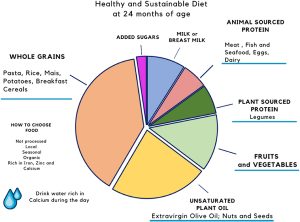
- Choosing seasonal and locally sourced products.
- Supporting businesses committed to sustainability.
- Reducing food waste at the household level.
Global Awareness Campaigns
International awareness campaigns, such as World Food Day and Meatless Mondays, highlight the importance of dietary shifts and can influence public behavior on a large scale.
Conclusion
The hidden costs of poor eating habits are immense, surpassing $8 trillion annually in health, economic, and environmental damages. As food systems evolve, the challenges become more complex, demanding urgent transformation at global, national, and local levels.
By rethinking how food is produced, distributed, and consumed, societies can simultaneously improve public health, reduce economic burdens, and protect the environment. Achieving this requires collaboration across governments, industries, communities, and consumers.
The path forward lies in embracing healthier, more sustainable diets that nourish both people and the planet. The question is not whether we can afford to change, but whether we can afford not to.
Ebola and Global Health Security