
 By admin
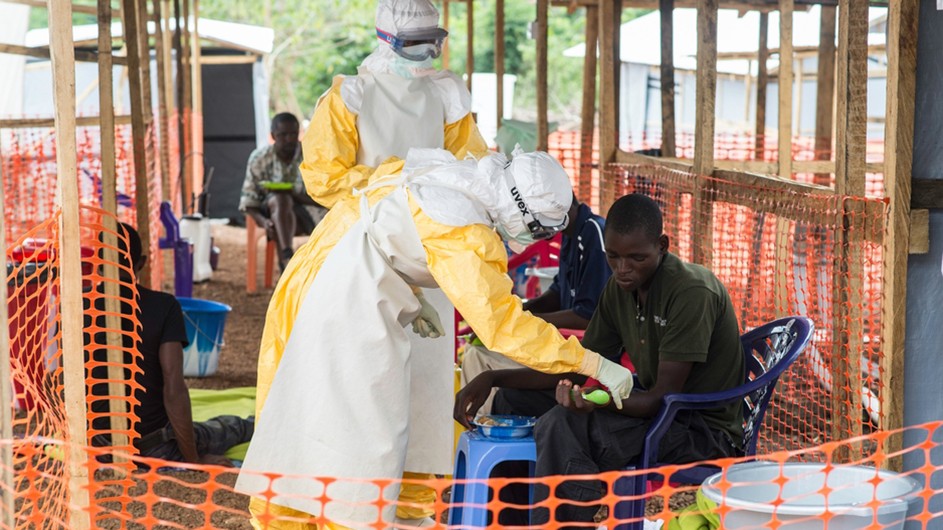
Ebola Epidemic: Understanding the Virus, Its Impact, and the Global Response
Introduction
Epidemics have shaped human history, challenging healthcare systems and testing societies’ ability to respond to crises. Among the most alarming outbreaks in recent decades is the Ebola epidemic, which has caused widespread fear, devastating losses, and urgent calls for stronger international cooperation in public health.
The Ebola virus is not new; it was first identified in 1976 near the Ebola River in the Democratic Republic of Congo (then Zaire). However, the scale of recent outbreaks, particularly the 2014–2016 West Africa epidemic, revealed both the vulnerabilities of global health systems and the importance of international preparedness. Today, Ebola remains a high-priority infectious disease because of its high fatality rate, rapid spread, and lasting socioeconomic impact.
This article explores the Ebola epidemic in depth: its origins, modes of transmission, symptoms, global responses, medical advances, and lessons learned. By examining both scientific and social dimensions, we can better understand how the world is addressing this deadly virus and how preparedness can prevent future outbreaks.
What Is Ebola?
Origins of the Virus
Ebola virus disease (EVD), formerly known as Ebola hemorrhagic fever, is caused by viruses from the genus Ebolavirus. There are several known strains, including: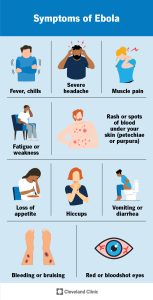
-
Zaire ebolavirus (the most lethal and common strain)
-
Sudan ebolavirus
-
Bundibugyo ebolavirus
-
Tai Forest ebolavirus
-
Reston ebolavirus (found in non-human primates, less harmful to humans)
Ebola is considered a zoonotic disease, meaning it originates in animals and can be transmitted to humans. Fruit bats are thought to be the natural reservoir of the virus, while outbreaks often begin after contact with infected animals such as primates, antelopes, or bats.
Transmission Between Humans
Human-to-human transmission occurs through direct contact with infected bodily fluids (blood, vomit, urine, saliva, sweat, semen, breast milk, or feces). The virus enters the body through broken skin or mucous membranes (eyes, nose, mouth). Importantly:
-
Ebola is not airborne, unlike influenza or COVID-19.
-
Contaminated objects such as needles, medical equipment, or clothing can spread the virus.
-
Traditional funeral practices, where families wash or touch the deceased, have often accelerated outbreaks.
Symptoms and Clinical Features
Incubation Period
The incubation period of Ebola ranges from 2 to 21 days, during which infected individuals do not show symptoms but can suddenly become very ill once the disease begins.
Stages of Illness
-
Early Symptoms: fever, fatigue, muscle pain, sore throat, and headache.
-
Progressive Symptoms: vomiting, diarrhea, rash, impaired kidney and liver function.
-
Severe Symptoms: internal and external bleeding, organ failure, and in many cases, death.
Mortality Rate
The case fatality rate (CFR) of Ebola varies between outbreaks, ranging from 25% to 90%, depending on the strain, healthcare quality, and speed of response. The 2014–2016 West Africa epidemic had an average fatality rate of about 50%.
Major Ebola Epidemics
Early Outbreaks (1976–2000s)
-
1976: The first known outbreak occurred in Sudan and the Democratic Republic of Congo, killing hundreds.
-
1995 (DRC) and 2000 (Uganda): Smaller outbreaks highlighted recurring vulnerabilities in African health systems.
The 2014–2016 West Africa Epidemic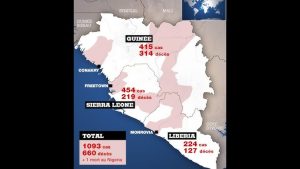
This was the largest and deadliest Ebola outbreak in history, affecting Guinea, Liberia, and Sierra Leone, with isolated cases reported in Nigeria, Mali, the United States, and Europe.
-
Over 28,000 cases were reported, with more than 11,000 deaths.
-
Weak healthcare infrastructure, slow initial response, and cultural factors contributed to the rapid spread.
-
International organizations, including the World Health Organization (WHO), Médecins Sans Frontières (MSF), and the U.S. Centers for Disease Control and Prevention (CDC), eventually mobilized large-scale efforts to contain the epidemic.
Recent Outbreaks (2017–2023)
-
2018–2020 (DRC): Another major outbreak occurred, with more than 3,400 cases and 2,200 deaths. This was the first time an Ebola vaccine was deployed on a wide scale, dramatically changing the fight against the virus.
-
2021 (Guinea) and 2022 (Uganda): Smaller but concerning outbreaks emphasized the need for ongoing vigilance.
Global Response to Ebola
Role of the World Health Organization (WHO)
The WHO plays a central role in outbreak response, coordinating international aid, setting guidelines for treatment, and supporting vaccination campaigns. However, during the 2014 epidemic, the WHO was criticized for its delayed reaction, which allowed the virus to spread widely before strong measures were implemented.
International Aid and NGOs
-
Médecins Sans Frontières (MSF) was among the first responders, providing frontline medical care when local health systems collapsed.
-
Countries such as the United States, United Kingdom, and China sent medical teams, supplies, and funding.
-
The United Nations established the UN Mission for Ebola Emergency Response (UNMEER), marking the first time the UN created a mission for a health crisis.
Travel and Border Measures
To prevent global spread, countries introduced travel restrictions, screening at airports, and quarantine measures. While effective in some cases, these measures also raised ethical questions about freedom of movement and stigmatization of African nations.
Advances in Treatment and Prevention
Supportive Care
Until recently, there was no specific treatment for Ebola. Patients relied on supportive care such as:
-
Rehydration with oral or intravenous fluids
-
Oxygen therapy
-
Blood transfusions and antibiotics for secondary infections
Experimental Drugs and Therapies
Recent advances have produced promising treatments:
-
Inmazeb (REGN-EB3) and Ebanga (mAb114): antibody-based therapies approved by the U.S. FDA in 2020.
-
These treatments significantly improved survival rates when administered early.
The Ebola Vaccine

The rVSV-ZEBOV (Ervebo) vaccine, developed by Merck, has been a breakthrough in preventing Ebola outbreaks.
-
It was first tested in Guinea in 2015 and later deployed widely during the 2018–2020 outbreak in the DRC.
-
The vaccine provides strong protection against the Zaire strain of Ebola, with effectiveness exceeding 95% in field trials.
-
Ring vaccination strategies, where close contacts of infected individuals are immunized, proved highly effective in stopping transmission.
Social and Economic Impact
Public Fear and Stigma
Communities affected by Ebola faced intense stigma. Survivors were sometimes rejected by neighbors, and healthcare workers often faced discrimination despite risking their lives to save others.
Economic Disruption
-
In West Africa, the 2014–2016 epidemic caused billions of dollars in losses.
-
Agriculture, trade, and tourism collapsed as fear of infection spread.
-
Many families lost breadwinners, leading to long-term poverty and social instability.
Education and Social Services
Schools were closed for months, and healthcare services for other diseases such as malaria and HIV were severely disrupted, leading to higher indirect mortality.
Lessons Learned and Future Preparedness
Importance of Early Detection
The Ebola epidemic highlighted the necessity of early surveillance systems that can quickly detect and respond to outbreaks before they spiral out of control.
Strengthening Healthcare Infrastructure
Fragile healthcare systems in affected countries worsened the crisis. Investment in hospitals, trained staff, and protective equipment is essential to prevent future epidemics.
International Collaboration
Global cooperation through organizations like the WHO, CDC, and Gavi (the Vaccine Alliance) has improved preparedness. However, political will and funding remain critical.
The Link to Global Health Security
The COVID-19 pandemic reinforced the importance of lessons learned from Ebola. Both diseases showed how local outbreaks can rapidly become international emergencies in an interconnected world.
Conclusion
The Ebola epidemic stands as a stark reminder of the fragility of public health systems and the importance of global solidarity in the face of infectious diseases. Though devastating, it also spurred remarkable progress in medicine, including vaccines and treatments that were once unimaginable.
Ebola may no longer dominate headlines, but it remains a threat. Continued vigilance, investment in healthcare, community education, and global collaboration are essential to ensure that the world is prepared—not just for Ebola, but for any future epidemic. The fight against Ebola is not only about defeating a virus but also about building a more resilient world.
10 Satisfying Breakfast Ideas That Work