
 By admin
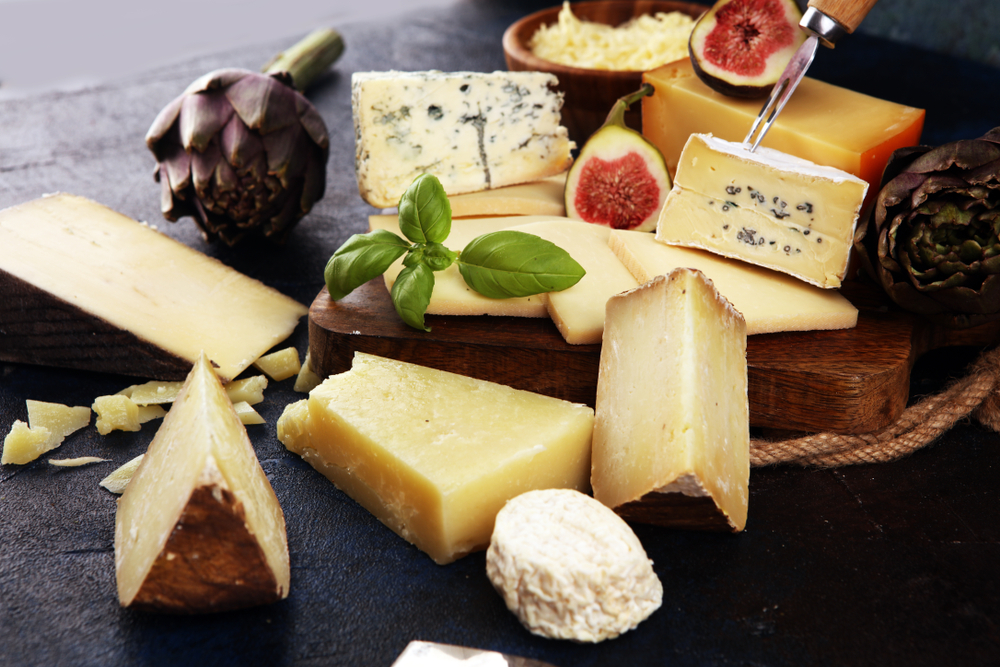
Beyond Cow’s Milk: Discovering the World’s Best Cheeses Made from Goat, Sheep, and Buffalo Milk
Introduction
When most people think of cheese, they imagine the familiar cow’s milk varieties that dominate supermarket shelves. Yet, the world of cheese is far more diverse, offering an incredible range of flavors, textures, and traditions derived from goat, sheep, and even buffalo milk. These alternative cheeses are not only rich in cultural history but also provide unique nutritional benefits and taste experiences. From the rolling hills of Spain to the mountains of Norway, and from the Mediterranean islands to the alpine pastures of France, artisanal cheesemakers continue to preserve and innovate with recipes that have been handed down for centuries.
In this article, we explore eight exceptional cheeses not made from cow’s milk, each with its own story, heritage, and culinary charm. Whether you are a food enthusiast, a traveler in search of authentic flavors, or simply curious about diversifying your cheese board, these selections open the door to a delicious journey beyond the ordinary.
The Allure of Non-Cow’s Milk Cheeses
Before diving into our list of the best options, it’s worth understanding why cheeses made from goat, sheep, and buffalo milk have become increasingly popular.
Nutritional Advantages
- Goat’s milk cheeses tend to be lower in lactose, making them easier to digest for those with mild lactose sensitivities.
- Sheep’s milk cheeses are rich in protein, calcium, and essential fatty acids, offering a creamy texture and nutty flavor profile.
- Buffalo milk cheeses, most famously mozzarella di bufala, contain higher fat and protein levels, resulting in luxurious creaminess and depth of flavor.
Culinary Diversity
Non-cow’s milk cheeses bring unique flavors that range from tangy and earthy to sweet and caramelized. Their versatility makes them ideal for pairing with wines, fruits, bread, and traditional dishes.
The 8 Best Cheeses Beyond Cow’s Milk
1. Rocamadour: A Jewel from Quercy, France
In the heart of the Lot region of France lies Rocamadour, a small goat’s cheese that has been celebrated for centuries. This delicate cheese, named after the medieval town perched on a cliff, is known for its soft texture and subtle nutty undertones.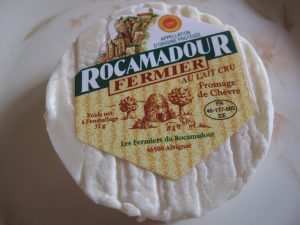
- Flavor Profile: Mild, creamy, slightly nutty, with a melt-in-the-mouth texture.
- Traditional Production: Farmers follow artisanal methods, aging the cheese for around 14 days to develop its signature flavor.
- Best Enjoyed: Spread on toasted bread, drizzled with honey, or paired with a crisp white wine from Southwest France.
Rocamadour is a fine example of how local traditions and terroir can shape a product into a gastronomic treasure.
2. Manchego: Spain in a Bite
No list of non-cow’s milk cheeses would be complete without Manchego, the iconic sheep’s cheese from La Mancha in central Spain. Recognizable by its distinctive zig-zag rind pattern, Manchego has been produced for centuries from the milk of Manchega sheep.
- Flavor Profile: Firm, buttery, slightly tangy with hints of almonds and caramel.
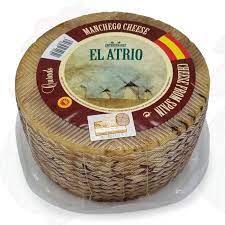
- Aged Varieties: Ranging from semicurado (aged 3 months) to curado (aged 6 months) and viejo (aged a year or more), each stage offers a different intensity.
- Cultural Importance: Immortalized in Cervantes’ Don Quixote, Manchego is deeply tied to Spanish heritage.
Perfect on a tapas board with olives and Iberian ham, Manchego embodies the rustic soul of Spain.
3. Brunost: Norway’s Sweet Surprise
Norway’s Brunost (literally “brown cheese”) is unlike anything else in the world of cheese. Made from whey, goat’s milk, and cream, it undergoes a slow caramelization process that gives it its signature brown color and sweet, fudge-like flavor.
- Flavor Profile: Sweet, caramelized, slightly tangy, with a firm yet sliceable texture.

- Cultural Role: Often served thinly sliced on bread or waffles, Brunost is a Norwegian breakfast staple.
- Unique Appeal: Its sweet-savory profile makes it both a curiosity for travelers and a comfort food for locals.
For adventurous eaters, Brunost offers an unforgettable taste of Nordic culinary tradition.
4. Halloumi: Cyprus’ Grilled Treasure
From the Mediterranean island of Cyprus comes Halloumi, a semi-hard cheese made from a mixture of goat’s and sheep’s milk. Its high melting point makes it famous as the “cheese that grills.”
- Flavor Profile: Firm, slightly salty, with a milky richness that intensifies when grilled.

- Cooking Versatility: When fried or grilled, Halloumi develops a golden crust and a squeaky bite.
- Global Popularity: Once a Cypriot specialty, Halloumi is now a global favorite, often featured in vegetarian dishes.
From salads to barbecue skewers, Halloumi adds Mediterranean flair to any meal.
5. Reblochon de Chèvre: An Alpine Rarity
While cow’s milk Reblochon is well-known in France, the goat’s milk version is a rare find that delights cheese lovers seeking something different. Produced in the French Alps, this cheese combines tradition with a distinct goat’s milk character.
- Flavor Profile: Creamy, nutty, and slightly pungent, with a soft, velvety texture.

- Artisanal Roots: Made using time-honored alpine methods, showcasing the richness of mountain pastures.
- Culinary Uses: Excellent in a goat’s milk twist on the classic tartiflette or enjoyed with rustic bread.
This little-known cheese highlights how innovation and tradition can coexist within regional gastronomy.
6. Mozzarella di Bufala: Italy’s Creamy Icon
Italy’s Mozzarella di Bufala Campana is a protected designation of origin (PDO) cheese made exclusively from the milk of water buffalo in Campania and Lazio. Its rich creaminess and delicate tang make it world-renowned.
-

Buffalo mozzarella Flavor Profile: Soft, juicy, slightly tangy, with a fresh milky aroma.
- Best Enjoyed: Fresh in a Caprese salad, on pizza, or paired with olive oil and basil.
- Nutritional Value: Higher in calcium and protein than cow’s milk mozzarella.
For many, Mozzarella di Bufala represents the pinnacle of Italian dairy craftsmanship.
7. Pecorino Romano: The Ancient Roman Classic
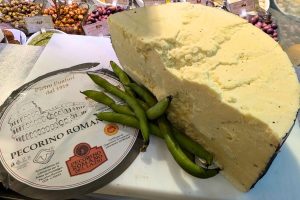
One of the world’s oldest cheeses, Pecorino Romano has been made from sheep’s milk for over 2,000 years. Originally crafted to feed Roman soldiers, it remains a staple in Italian cuisine today.
-
- Flavor Profile: Hard, salty, sharp, with a crumbly texture.
- Flavor Profile: Hard, salty, sharp, with a crumbly texture.
- Culinary Uses: Grated over pasta dishes like carbonara and cacio e pepe, or shaved onto salads.
- Heritage: Still produced using traditional methods in Lazio and Sardinia.
Its bold character makes Pecorino Romano a perfect seasoning cheese, rivaling Parmesan in strength and versatility.
8. Ossau-Iraty: A Basque Delight
From the French Basque Country and the Béarn region comes Ossau-Iraty, a traditional sheep’s milk cheese with PDO status. With origins dating back thousands of years, it’s a true taste of pastoral heritage.
- Flavor Profile: Nutty, buttery, with grassy and floral notes.
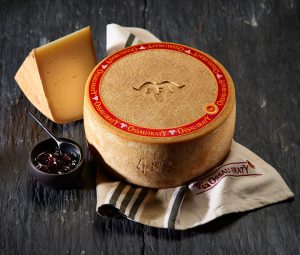
- Texture: Semi-hard, smooth, and ivory-colored.
- Pairing: Traditionally enjoyed with black cherry jam or a glass of red wine.
Ossau-Iraty represents the harmony of landscape, culture, and craftsmanship.
Conclusion
The world of cheese extends far beyond the familiar cow’s milk varieties. Goat, sheep, and buffalo milk cheeses not only diversify our palates but also preserve centuries-old traditions and showcase the richness of different terroirs. From the creamy Rocamadour of France to the caramel-sweet Brunost of Norway, and from the grill-friendly Halloumi of Cyprus to the luxurious Mozzarella di Bufala of Italy, these eight cheeses each tell a unique story of culture, flavor, and craftsmanship.
Exploring these cheeses is more than just a culinary experience—it’s a journey into history, geography, and the artistry of cheesemaking. By incorporating them into your diet or on your next cheese board, you’re not just tasting food, but connecting with traditions that span generations and continents.
Seven Iconic Spanish Desserts You Must Try