
 By admin
The Importance of Combining Aerobic and Anaerobic Exercise for Optimal Health
Incorporating exercise into your daily routine is one of the most important steps you can take to maintain a healthy lifestyle. However, while the sheer act of exercising is beneficial, understanding the type of exercise you engage in and ensuring a balanced approach can greatly enhance your overall health. A comprehensive fitness regime that includes both aerobic and anaerobic exercises is essential for achieving optimal health and physical fitness. This article explores the benefits of combining these two exercise types and offers actionable insights for integrating them effectively into your workout routine.

Understanding Aerobic and Anaerobic Exercise
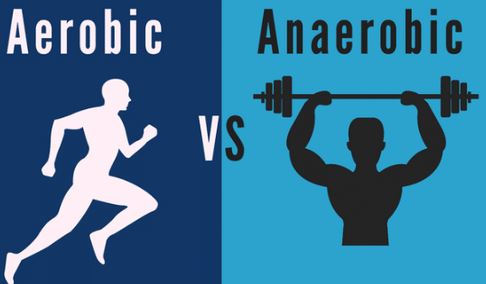
Aerobic Exercise: Aerobic exercise, often referred to as cardio, is any activity that increases your heart rate and breathing while improving cardiovascular and respiratory health. Examples include running, cycling, swimming, and dancing. Aerobic exercise primarily relies on oxygen for energy and helps your body burn fat, enhance endurance, and improve heart and lung efficiency.
Anaerobic Exercise: On the other hand, anaerobic exercise involves short bursts of high-intensity activity that do not rely on oxygen as the primary energy source. Instead, anaerobic exercise uses stored energy within the muscles. Examples include weightlifting, sprinting, and high-intensity interval training (HIIT). This type of exercise is key for building strength, increasing muscle mass, and boosting metabolism.
The Benefits of Combining Aerobic and Anaerobic Exercise
- Comprehensive Fitness: Combining aerobic and anaerobic exercises ensures that you address all aspects of physical fitness. While aerobic exercise enhances endurance and cardiovascular health, anaerobic exercise strengthens muscles and improves power.
- Increased Fat Burn: Aerobic exercises are highly effective for burning calories and reducing fat. When paired with anaerobic exercises, which build muscle, you can increase your resting metabolic rate. Muscle tissue burns more calories at rest compared to fat, leading to more efficient fat loss over time.

- Improved Heart Health: Aerobic exercise strengthens the heart and improves blood circulation, while anaerobic exercise supports arterial health and reduces the risk of cardiovascular diseases. Together, they create a synergistic effect, promoting a robust cardiovascular system.
- Enhanced Strength and Endurance: Aerobic workouts improve stamina, allowing you to sustain activity over long periods, while anaerobic exercises build strength and resilience, enabling you to handle higher physical demands.
- Balanced Body Composition: A combination of both exercise types helps you achieve a well-proportioned body. Aerobic exercise reduces overall body fat, while anaerobic activities tone and define muscles, creating a lean and sculpted physique.
- Improved Mental Health: Exercise is known to boost mood and reduce stress. Aerobic activities release endorphins, improving mood and reducing anxiety. Anaerobic exercises, such as weightlifting, can instill a sense of accomplishment and improve self-esteem.
Designing a Balanced Exercise Routine
Creating a workout plan that includes both aerobic and anaerobic exercises requires thoughtful planning and consistency. Here’s a guide to help you get started:
1. Assess Your Fitness Goals:
Identify what you aim to achieve through your fitness routine. If weight loss is your primary goal, focus on incorporating more aerobic exercises. If building muscle or improving strength is your priority, increase the emphasis on anaerobic exercises.
2. Start Slow:
If you are new to exercise, ease into a routine by alternating between light aerobic activities like walking and simple strength-training exercises such as bodyweight squats or push-ups. Gradually increase intensity and duration as your fitness improves.
3. Combine Workouts:
For time-efficient training, consider combining aerobic and anaerobic exercises into a single session. High-Intensity Interval Training (HIIT) is an excellent example, as it alternates between short bursts of intense activity (anaerobic) and periods of moderate activity (aerobic).

4. Allocate Specific Days:
If you prefer separating your workouts, dedicate specific days to aerobic activities and others to anaerobic exercises. For instance:
- Monday, Wednesday, Friday: Aerobic exercises such as jogging or cycling
- Tuesday, Thursday, Saturday: Strength training or HIIT
5. Incorporate Cross-Training:
Engage in activities that naturally combine aerobic and anaerobic elements. Sports like basketball, soccer, and martial arts are excellent options that provide a mix of cardio and strength training.
6. Listen to Your Body:
While consistency is key, it’s equally important to recognize when your body needs rest. Overtraining can lead to injury and fatigue, so ensure your routine includes rest days for recovery.
Consulting a Professional
If you are unsure how to begin or structure your workout plan, consulting a fitness professional or personal trainer can be immensely beneficial. Additionally, seeking advice from a healthcare provider is important, especially if you have pre-existing health conditions or are new to exercise. Professionals can help tailor a balanced routine that suits your individual needs and fitness level.
Tips for Staying Motivated

- Set Realistic Goals: Define clear and achievable fitness objectives. Break them down into smaller milestones to track your progress effectively.
- Find Activities You Enjoy: Choose exercises that align with your interests. Enjoyable activities are more likely to become sustainable habits.
- Workout with a Partner: Exercising with a friend or joining a group class can add an element of accountability and make workouts more enjoyable.
- Track Your Progress: Use fitness apps or journals to record your workouts and monitor improvements in strength, endurance, and overall health.
- Celebrate Success: Reward yourself for meeting fitness goals, whether it’s treating yourself to new workout gear or enjoying a relaxing day off.
Conclusion
A well-rounded fitness routine that incorporates both aerobic and anaerobic exercises is essential for achieving and maintaining optimal health. By combining these two types of exercise, you can improve cardiovascular health, build muscle, enhance endurance, and support mental well-being. Whether you are a beginner or a seasoned athlete, integrating aerobic and anaerobic activities into your routine ensures a comprehensive approach to fitness. Prioritize balance, consistency, and enjoyment to create a sustainable and effective exercise plan that supports your long-term health and wellness goals.
Key Strategies for Mental Excellence : Tennis