
 By admin
The Most Intelligent Poodle: A Portrait of Canine Genius and Elegance
Introduction
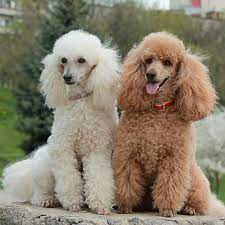
Among all dog breeds, few inspire as much admiration, fascination, and affection as the Poodle. Renowned not only for its elegant appearance and signature curly coat, the Poodle also enjoys a global reputation as one of the most intelligent and trainable dogs in existence. Beneath the breed’s glamorous exterior lies a sharp, inquisitive mind capable of solving problems, understanding complex commands, and forming deep emotional connections with humans.
The modern Poodle—whether Standard, Miniature, or Toy—is more than a decorative companion. It is an athlete, a therapy animal, a performer, and an extraordinary learner. From royal courts to modern households, the Poodle’s combination of grace, intelligence, and loyalty has made it a beloved member of families for centuries. This article explores the Poodle’s unique intelligence, physical characteristics, grooming needs, and the remarkable history that has shaped this iconic breed into one of the most admired dogs in the world.
The Poodle’s Reputation for Intelligence
A Breed of Brilliant Minds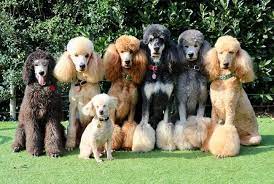
The Poodle consistently ranks among the top three most intelligent dog breeds according to canine behaviorists and trainers worldwide. Dr. Stanley Coren, a leading canine psychologist and author of The Intelligence of Dogs, placed the Poodle second only to the Border Collie in working and obedience intelligence. This means that a Poodle can understand new commands with fewer than five repetitions and obey the first command around 95% of the time—a testament to its remarkable mental agility.
Problem-Solving and Emotional Intelligence
Poodles are natural problem-solvers. They can learn not just to perform tasks but to understand patterns and consequences. This problem-solving ability has led to their use in various fields, from therapy and assistance work to detection and rescue missions.
Moreover, Poodles possess exceptional emotional intelligence. They are highly sensitive to human tone, body language, and mood, making them responsive companions. Many Poodle owners describe their dogs as “almost human” in their ability to empathize and comfort, a quality that sets them apart from many other breeds.
Trainability and Versatility
The Poodle’s eagerness to please makes it one of the easiest breeds to train. Whether learning agility courses, obedience routines, or specialized tricks, the Poodle adapts quickly. Their intelligence has also made them stars in the entertainment world—circus acts, films, and dog shows have long featured Poodles due to their ability to perform complex sequences with precision.
Beyond the Myths: The True Character of the Poodle
Elegance with Substance
There’s a persistent stereotype that Poodles are pampered show dogs more concerned with beauty than brains. However, this misconception ignores the breed’s origins as a skilled water retriever. The name “Poodle” comes from the German word Pudel or Pudelin, meaning “to splash in water.” The breed’s early function was to retrieve waterfowl for hunters—hence the famous “Poodle clip,” which originally served a practical purpose: to protect vital joints and organs from cold water while keeping the dog agile and buoyant.
The Poodle’s True Nature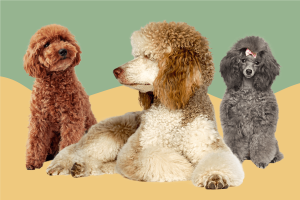
Far from being delicate or vain, the Poodle is a robust, athletic, and deeply loyal animal. They thrive on mental and physical activity and are happiest when challenged. Modern Poodles excel in a variety of dog sports, including agility, dock diving, obedience, and even scent work.
Their playful, social personality also makes them excellent family dogs. They bond closely with their owners and are known for their adaptability, doing well in both apartment living and larger homes as long as their exercise and social needs are met.
Physical Characteristics: Beauty in Every Detail
General Appearance
The Poodle is a picture of balance, strength, and refinement. The body is well-proportioned, combining elegance with athletic capability. The gait is light and springy, showcasing confidence and grace.
Head and Expression
The head of the Poodle is long and refined, with a slightly rounded skull and a well-defined stop. The muzzle is strong and straight—not snipy—and the lips are black, tight, and clean. The eyes, almond-shaped and dark, radiate intelligence and alertness. This penetrating gaze is one of the breed’s most defining features.
Ears and Neck
The ears are long, wide, and hang close to the face, enhancing the breed’s dignified look. The neck is well-arched and strong, giving the Poodle an air of nobility and poise. This structure allows the Poodle to carry its head high with elegance, whether trotting in the show ring or running through a field.
Body and Limbs
The chest is deep but not broad, the back short and strong, and the ribs well-sprung. The legs are straight, muscular, and well-boned. The hindquarters are powerful, with well-bent stifles and low hocks, allowing for explosive movement and agility. The tail, set high, is usually carried proudly but never curled over the back.
Feet and Movement
Poodles have compact, oval feet with well-arched toes and thick, resilient pads. Their movement is effortless, rhythmic, and smooth—a combination of precision and grace that mirrors their intelligent personality.
The Coat: Iconic, Complex, and Remarkably Unique
The Curly Coat
The Poodle’s dense, curly coat is one of its most recognizable features. It is composed of thick, resilient curls that resist water and trap warmth—an adaptation to the breed’s original work as a water retriever. The coat sheds minimally, making the breed a popular choice for people with allergies. However, this low-shedding coat requires consistent grooming to prevent matting and maintain its texture.
Corded Coats: Beauty with Challenges
Historically, some Poodles were maintained with “corded” coats—long strands that naturally twist into rope-like cords. While visually striking, corded coats demand significant upkeep. The cords must be regularly oiled and washed to prevent dirt accumulation and unpleasant odors. Because of the difficulty in keeping these dogs clean and comfortable, corded Poodles have become increasingly rare in modern times.
Modern Grooming Styles
Today’s Poodles are typically clipped in styles that combine aesthetics and practicality. The most common trims include:
- The Continental Clip: Traditional show style with shaved hindquarters, leaving puffs of fur around the ankles and tail base.
- The English Saddle Clip: A more balanced show cut, leaving more hair on the hindquarters.
- The Puppy Clip: A soft, rounded trim for younger or pet Poodles.
- The Sporting Clip: Popular for active Poodles, this cut keeps the coat manageable while preserving the breed’s elegant appearance.
Professional grooming every 4–6 weeks is recommended to maintain the coat’s health and cleanliness, along with daily brushing to prevent matting.
Health, Care, and Lifestyle Needs
Common Health Considerations
Poodles are generally healthy dogs with a lifespan ranging from 12 to 15 years (sometimes longer for smaller varieties). However, like all breeds, they are prone to certain genetic conditions, including: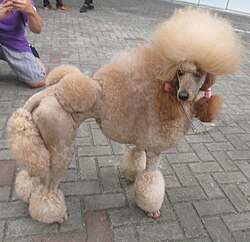
- Hip dysplasia – a hereditary joint disorder.
- Progressive retinal atrophy (PRA) – a degenerative eye condition.
- Addison’s disease – hormonal imbalance affecting energy and weight.
- Epilepsy – sometimes seen in Standard Poodles.
- Bloat (gastric torsion) – particularly in larger Poodles.
Responsible breeders perform health testing and provide documentation to ensure genetic soundness.
Exercise and Mental Stimulation
Poodles are energetic and require both physical and mental exercise. Daily walks, play sessions, and training challenges are essential. Puzzle toys, obedience drills, and agility exercises help keep their active minds engaged. A bored Poodle may become mischievous, turning its intelligence toward unwanted behaviors like digging or chewing.
Nutrition and Care
A balanced diet rich in lean protein, omega-3 fatty acids, and antioxidants supports coat quality and joint health. Regular veterinary checkups, dental care, and vaccinations are vital to maintaining long-term well-being.
Poodle Varieties: One Breed, Three Sizes
The Poodle comes in three recognized sizes—each with identical standards of intelligence and temperament, differing only in height:
- Standard Poodle: Over 15 inches tall at the shoulder; athletic and ideal for active families.
- Miniature Poodle: Between 10–15 inches tall; lively and adaptable for smaller homes.
- Toy Poodle: Under 10 inches tall; perfect for apartment living and companionship.
Despite their size differences, all three varieties share the same charming personality, alertness, and desire for human connection.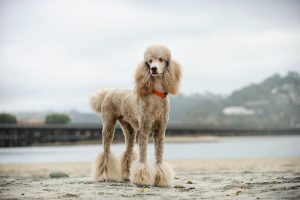
The Poodle’s Cultural and Historical Legacy
From Working Dog to Royal Favorite
The Poodle’s ancestry traces back centuries, likely originating in Germany but refined in France, where it became a national symbol. French aristocracy adored Poodles for their intelligence, beauty, and poise. They were common subjects in royal portraits and even served as truffle hunters in rural France.
In Popular Culture
From the silver screen to modern social media, Poodles continue to captivate audiences. Their distinctive look and intelligence make them natural performers, while their adaptability and affectionate nature have ensured their popularity in family homes around the world.
Conclusion: The Perfect Blend of Beauty and Brains
The Poodle stands as one of the most exceptional breeds in canine history—a perfect harmony of intelligence, beauty, and loyalty. Behind the breed’s iconic curls lies a mind of astonishing sharpness and a heart of unwavering devotion. Whether trained for performance, service, or companionship, the Poodle excels in every role it assumes.
Owning a Poodle is both a privilege and a responsibility. It requires dedication to grooming, exercise, and emotional engagement—but the reward is immeasurable. Few breeds offer such a complete package of intellect, elegance, and affection. The Poodle is not merely a pet; it is a lifelong partner, a mirror of human emotion, and an enduring symbol of canine brilliance.
Practical Ways to Reduce Cat Allergens at Home