
 By admin

How Much Should I Feed My Dog? A Comprehensive Guide to Canine Nutrition
Feeding your dog the correct amount of food is vital for their overall health and well-being. Several factors influence your dog’s dietary requirements, including age, weight, breed, activity level, and overall health. This comprehensive guide provides updated insights and expert recommendations to help you determine the optimal feeding routine for your dog.
Understanding Your Dog’s Nutritional Needs
Each dog has unique dietary needs based on various factors. To ensure your pet receives the right amount of nutrition, consider the following elements:
- Age: Nutritional requirements change as dogs grow from puppies to adults and then to seniors.
- Weight: A dog’s weight directly affects the amount of food they require daily.
- Activity Level: Active dogs burn more calories and need more food compared to less active ones.
- Breed: Different breeds have specific dietary needs based on their metabolism and physical characteristics.
- Health Status: Conditions such as diabetes, kidney disease, and allergies may require specialized diets.
Feeding Guidelines by Life Stage
Puppies
Puppies grow rapidly and require a diet rich in protein, fat, and essential nutrients. They should be fed multiple small meals per day:
- Small Breeds: 4-5 meals per day up to 4 months of age, then transition to 3 meals daily.
- Medium to Large Breeds: 3-4 meals per day until 6 months of age, then 2 meals daily.
Puppy food should be specifically formulated to support growth, ensuring optimal bone development and immune function.
Adult Dogs
By the time a dog reaches adulthood (usually between 12-24 months, depending on the breed), their feeding frequency and portions stabilize:
- Small to Medium Breeds: 1-2 meals per day.

- Large Breeds: 2 meals per day.
Portion sizes depend on weight, activity level, and the type of food provided. Check the manufacturer’s feeding chart to ensure proper portioning.
Senior Dogs
As dogs age, their metabolism slows, and their activity levels decrease. Senior dogs benefit from:
- Lower-Calorie Diets: To prevent obesity.
- Joint-Supportive Ingredients: Such as glucosamine and chondroitin.
- Easily Digestible Proteins: To support muscle maintenance.
Determining Portion Sizes
Portion sizes vary depending on the type of food (dry, wet, raw) and the dog’s specific needs. Many pet food manufacturers provide feeding charts based on weight. Below is a general guideline:
| Dog’s Weight (lbs) | Daily Food Amount (cups) |
|---|---|
| 3 to 12 | 1/3 to 1 |
| 13 to 20 | 1 to 1 1/3 |
| 21 to 35 | 1 1/3 to 2 |
| 36 to 50 | 2 to 2 2/3 |
| 51 to 75 | 2 2/3 to 3 1/3 |
| 76 to 100 | 3 1/3 to 4 1/4 |
| 100+ | 4 1/4 + 1/4 cup per additional 10 lbs |
Note: These values are approximate. Always consult the feeding guidelines on your pet food label.
Adjusting for Activity Level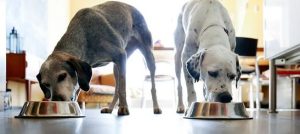
Activity level significantly impacts dietary requirements:
- Highly Active Dogs: Require additional calories to support energy expenditure.
- Sedentary Dogs: May need fewer calories to prevent obesity.
- Working or Sporting Dogs: May need a diet with higher fat and protein content.
A good rule of thumb is to monitor your dog’s weight and adjust their food intake accordingly.
Special Dietary Considerations
Breed-Specific Needs
Certain breeds have unique dietary needs. For instance:
- Large Breeds (Labradors, German Shepherds): Require joint-supporting nutrients and controlled calorie intake to prevent obesity.
- Small Breeds (Chihuahuas, Yorkshire Terriers): Have faster metabolisms and may require more calorie-dense food.
- Brachycephalic Breeds (Bulldogs, Pugs): Benefit from easily digestible diets to prevent digestive issues.
Health Conditions
Dogs with specific medical conditions require specialized diets:
- Obesity: Low-calorie, high-fiber food.

- Diabetes: High-protein, low-carbohydrate diet.
- Kidney Disease: Low-phosphorus, moderate-protein diet.
- Allergies: Hypoallergenic diets with novel proteins.
Consult a veterinarian for tailored feeding recommendations based on your dog’s health status.
Transitioning Between Life Stages
When transitioning between different food types or life stages, do so gradually over 7-10 days to prevent digestive upset:
- Day 1-3: Mix 25% new food with 75% current food.
- Day 4-6: Mix 50% new food with 50% current food.
- Day 7-9: Mix 75% new food with 25% current food.
- Day 10: Fully transition to new food.
This gradual transition helps your dog’s digestive system adjust without causing stomach discomfort.
Monitoring Your Dog’s Health
Regular monitoring ensures your dog maintains a healthy weight and overall well-being:
- Weigh-Ins: Track your dog’s weight regularly.
- Body Condition Score (BCS): Assess if your dog is underweight, overweight, or at an ideal weight.
- Veterinary Check-Ups: Regular visits to the vet help ensure your dog’s nutritional needs are met.
Final Thoughts
Feeding your dog the right amount of food is essential for their health, longevity, and quality of life. By understanding their unique nutritional needs, adjusting for activity level, and monitoring their health, you can ensure your furry companion stays happy and healthy. Always consult a veterinarian when making significant dietary changes to provide the best possible nutrition for your pet.
How to Care for Your Aging Dog