
 By admin
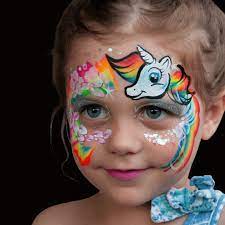
A Complete Guide to Professional-Quality Face Painting
Introduction
Face painting remains one of the most popular and enjoyable activities for children and adults alike. Whether at birthday parties, school fairs, festivals, family gatherings, or community events, a beautifully painted face can transform a person into a superhero, animal, princess, robot, or imaginative fantasy character with just a few strokes of color. The art of face painting combines creativity, expression, and interaction, making it not only fun for children but also a rewarding craft for parents, party hosts, artists, and hobbyists.
In recent years, face painting has evolved into a recognized artistic practice supported by specialized tools, cosmetic-grade paints, professional training workshops, online tutorials, and even global competitions. With the right techniques and an understanding of safety and hygiene, anyone can learn to create eye-catching designs that are both beautiful and safe for the skin.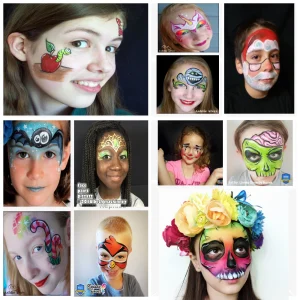
This article provides a comprehensive, step-by-step guide to face painting for beginners and aspiring artists. You will learn essential preparation steps, advice on choosing materials, tips for working efficiently with children, and techniques to achieve clean, professional-quality results. Whether you’re preparing for your child’s birthday party or hoping to develop face painting into a small business, the following eight core tips will help set you on the right path.
The Art of Face Painting: Essential Skills and Preparation
Before picking up a brush or sponge, preparation is key. Face painting is not just about the colors and patterns; it is also about safety, comfort, and efficiency.
Choosing Safe and High-Quality Materials
Not all paints are suitable for the skin, and using the wrong type of paint can result in rashes, allergies, breakouts, or irritation. Always choose FDA-compliant, cosmetic-grade face paints rather than craft or acrylic paints typically used for paper or canvas.
Consider the following when selecting materials:
- Water-based face paints: Easy to apply, dries quickly, and washes off with mild soap and warm water.
- Hypoallergenic products: Best for young children or those with sensitive skin.
- Brushes and sponges: Having multiple sizes allows for versatility in detail and coverage.
- Glitter for face painting: Use only cosmetic-grade glitter, never craft glitter, because sharp plastic glitter can damage the eyes and skin.
Stocking good-quality products ensures comfort and safety while improving the final appearance of your designs.
Main Tips for Professional Face Painting
1. Use Sponges for Large Areas of Color
When working with designs that require wide areas of paint—such as turning a face into a tiger, butterfly, zombie, or superhero mask—using a sponge is much faster and provides smoother coverage than using a brush. Sponges help blend colors seamlessly, especially for backgrounds, gradients, or full-face transformations.
Tip:
Keep multiple sponges on hand to avoid frequent cleaning between different colors. This saves time and ensures colors stay clean and vibrant throughout the painting session.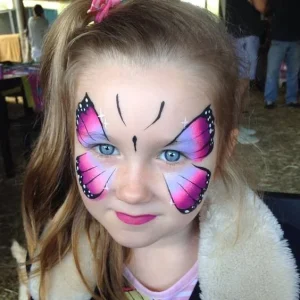
2. Allow Each Layer to Dry Before Applying the Next
Layering is an essential part of creating crisp, professional designs. If you apply wet paint on top of wet paint, the colors will mix unintentionally and may result in muddy, blurred designs.
- Wait a few seconds for each layer to dry.
- If time is limited, gently fan the painted area or ask the child to blow upward like blowing bubbles.
Taking a moment for drying ensures clean outlines, bright color separation, and long-lasting results.
3. Plan Your Design Before You Begin
Children tend to have short attention spans and can become restless if the painting process takes too long. For this reason, you should always know the complete design before you start.
Ask yourself:
- What colors will I use first?
- Which details require fine brushwork?
- Will I add glitter or highlights at the end?
You can also keep a design board or sample pictures nearby. This helps children choose their design in advance and reassures parents about the quality of the painting.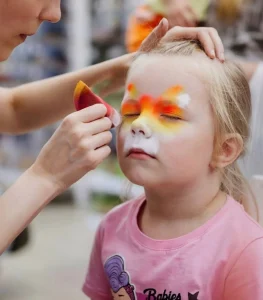
4. Use Stencils If You’re Not Yet Confident Drawing Freehand
Not every new face painter begins with strong drawing skills—and that’s perfectly fine. Stencils are an excellent way to create beautiful shapes such as stars, hearts, flowers, lightning bolts, butterflies, and animal patterns.
Stencils help:
- Maintain clean edges
- Ensure symmetry
- Reduce painting time
- Create consistent designs on multiple children
Choose stencils of different sizes to fit different face shapes and areas like cheeks, foreheads, and temples.
5. Consider Using Temporary Tattoos for Quick Effects
Temporary tattoos can create fast, colorful images with little effort. They are especially useful in large-group events where time and efficiency matter.
However: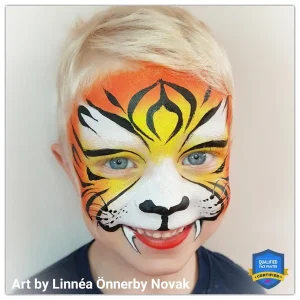
- Always test a small area first to check for allergies.
- Ensure the tattoo is labeled skin-safe.
Temporary tattoos can also be used as decorative accents alongside painted effects, such as adding sparkly stars around an astronaut face or flower petals around a fairy design.
6. Encourage Children to Choose Their Design Early
If you are painting faces at a party or gathering, children may form a line as they wait their turn. To save time, encourage children to decide what they want before reaching the chair.
You can display:
- A poster with sample designs
- A portfolio of photos
- A small board with 6–12 basic options
This keeps the lineup moving smoothly and prevents delays caused by indecision.
7. Always Have a Mirror Ready
When the painting is complete, children are always eager to see themselves. A mirror is essential, both to reveal the finished design and to allow them to feel involved in the transformation process. Seeing their happy reaction is also a great way to confirm that your work meets their expectations.
Having a mirror builds trust and adds a fun moment to the experience.
8. Understand the Cost of Materials—and Consider Making Your Own Paint
Professional face paint can be expensive, especially if you are painting faces regularly. Some artists choose to make simple, homemade face paint using basic household ingredients. However, homemade paint generally does not match the safety, durability, or vibrancy of cosmetic-grade products.
If you are painting many faces at parties or festivals, investing in professional-quality brands will result in better outcomes and improved client satisfaction.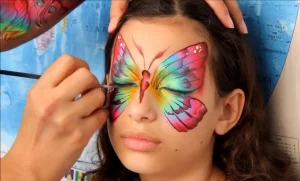
Conclusion
Face painting is a joyful and creative activity that brings imagination to life. With the right materials, preparation, and techniques, anyone can learn to create professional-quality designs. By practicing efficient application, planning ahead, maintaining hygiene, and choosing safe, high-quality tools, you can offer a face painting experience that is enjoyable, colorful, and memorable.
Whether you are painting at home, volunteering at school, or launching a small creative business, face painting offers a rewarding way to entertain children, inspire artistic expression, and add magic to everyday events.
Unlocking the Secrets of Sheet Music