
 By admin
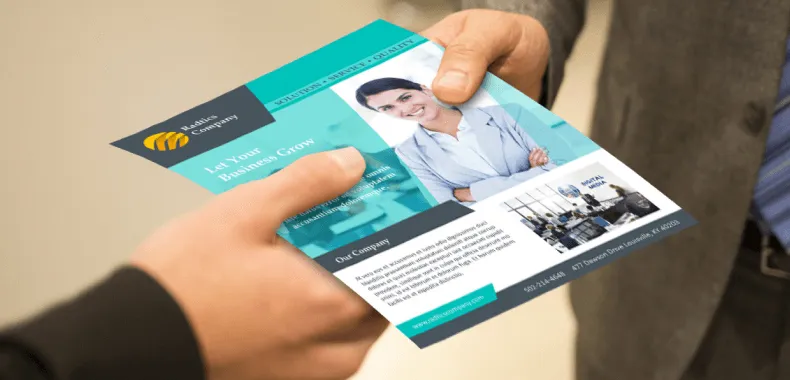
Effective Strategies for Distributing Your Business Brochures
Introduction
In today’s competitive marketplace, marketing materials must do more than simply look appealing—they must be strategically deployed to reach the right audience. Among the most powerful tools for brand communication is the business brochure, a compact but impactful medium that showcases products, services, brand identity, and value propositions. However, even the most professionally designed brochure loses its effectiveness if it does not reach its intended audience. Therefore, effective brochure distribution is just as critical as thoughtful design and content.
Whether your business is newly established or fully developed, knowing how to distribute brochures strategically can enhance your visibility, support brand growth, and expand your customer base. This article outlines ten practical, modern, and results-driven strategies for distributing brochures in a way that maximizes reach, improves engagement, and strengthens brand credibility.
Understanding the Power of Brochures in Modern Marketing
The Role of Printed Marketing Materials
While digital marketing dominates many aspects of business outreach, printed brochures continue to offer a tangible, credible, and lasting impression. Unlike advertisements that disappear quickly from screens, a brochure can be held, reviewed, shared, and kept, making it a valuable marketing asset.
Brochures as a Branding Tool
Brochures reflect your brand’s visual identity—its colors, typography, tone, and message. They help businesses:
- Build trust and reliability
- Present cohesive brand messaging
- Offer detailed product or service information
- Provide a portable form of marketing that customers can refer back to later
Key Consideration Before Distribution
Before you begin distributing brochures, ensure that:
- The design is visually appealing and professional
- The message is clear, concise, and benefit-focused
- Contact information and calls to action are prominent
- The brochure targets the correct audience group
Only after these elements are in place does effective distribution create measurable impact.
10 Effective Ways to Distribute Your Brochures
1. Direct Mail Campaigns
One of the oldest yet still relevant methods of distribution is direct mailing. With direct mail, businesses send brochures directly to households or business addresses through collected or purchased mailing lists.
Advantages
- Highly targeted
- Delivers directly into customers’ hands
- Personalizable with names and location-based offers
Challenges
- Costs can be high depending on volume
- Response rates may be modest (often around 1–3%)
To improve results, businesses now integrate digital tracking, QR codes, and personalized discount codes to monitor effectiveness and encourage engagement.
2. In-Person Distribution in High-Traffic Locations
Handing out brochures in public or commercial spaces such as shopping malls, event venues, or busy streets can increase brand visibility. However, success depends heavily on location and audience interest.
Tips for Effective Execution
- Choose places where your target demographic naturally gathers
- Train staff to be friendly and non-intrusive
- Focus on engagement rather than simply handing out brochures
This approach works best when supported with a clear call to action (e.g., “Visit our booth,” “Sign up today,” “Scan for discount”).
3. Newspaper and Magazine Insert Distribution
Local newspapers and community magazines often allow businesses to include brochures or flyers in their deliveries. This method works particularly well for local businesses targeting specific neighborhoods.
Benefits
- Establishes presence in local markets
- Feels credible due to association with established publications
- Reaches households consistently
This method is comparable to traditional advertising but often yields better retention because brochures are tangible and can be saved.
4. Brochure Displays at Business Premises
Every business should place brochures in visible areas such as:
- Reception counters
- Entrance lobbies
- Payment stations
- Waiting areas
Why This Matters
Visitors to your business are already potential customers. Failing to make brochures easily accessible is a missed opportunity for passive marketing.
A clear display stand near customer pathways significantly boosts brochure pick-up rates.
5. Distribution in Public Service Waiting Areas
Locations where people naturally wait offer excellent brochure engagement opportunities. These include:
- Post offices
- Train stations
- Car service centers
- Government service offices
Because individuals waiting have time and limited distractions, they are more likely to read brochures carefully.
However, you may need official permission or rental space agreements depending on the location.
6. Placement in Medical and Professional Waiting Rooms
Dentist, doctor, therapist, and clinic waiting rooms can be a strategic place to leave your brochure—especially if your products or services relate to health, wellness, family, home care, education, or life improvement.
To increase acceptance:
- Ensure the brochure is professional and not overly promotional
- Highlight community benefit, health value, or lifestyle improvement
This strategy works particularly well for fitness programs, nutritionists, childcare services, insurance providers, home-care services, and wellness brands.
7. Brochures at Trade Shows and Industry Exhibitions
Trade shows gather highly targeted, interested audiences. Distributing brochures at such events ensures that your marketing material reaches individuals who:
- Already have interest in your industry
- Are seeking solutions or suppliers
- Are likely to engage and follow up
Best Practices
- Pair brochure distribution with live product demos
- Collect visitor information in exchange for additional resources or offers
- Follow up within 48 hours to maintain interest
8. Offer Digital Brochures on Your Website
In the digital age, brochures are no longer only printed. Offering a downloadable PDF brochure on your website allows you to:
- Reach a global audience instantly
- Reduce printing costs
- Track downloads to gauge interest
- Build an email contact database when requiring sign-up to download
This method also provides an opportunity for automated follow-up marketing.
9. Use Brochures as an Extended Business Card
While business cards are small and may be easily lost, brochures allow you to provide much more comprehensive information. For networking, conferences, and sales meetings, handing out brochures instead of or alongside business cards makes a stronger impression.
Recommendation
Design a compact brochure, such as a tri-fold or half-fold, that includes:
- Key service overview
- Value proposition
- Contact details and website
- Testimonial or certification section
This version should be portable enough to fit in pockets, purses, or event bags.
10. Reconnect with Your Existing Client Database
Your past and current clients are one of your most valuable assets. They already know your business, so re-engaging them with a newly updated brochure can spark renewed interest and repeat sales.
Why This Works
- Past clients already trust your brand
- They may need updated services or upgrades
- They are more likely to respond positively
This is often the highest-return distribution method because it targets warm leads rather than cold prospects.
Conclusion
A brochure is more than a printed sheet—it is a strategic communication tool designed to inform, persuade, and build brand connections. However, its success depends not only on design quality but also on intelligent distribution. By combining traditional methods with modern digital approaches, businesses can significantly enhance brochure effectiveness and ensure that marketing messages reach the right people at the right time.
Whether distributed physically in high-traffic locations, shared at trade shows, mailed to selective lists, or offered digitally online, brochures remain a relevant, credible, and versatile marketing asset. When used thoughtfully, they support brand awareness, reinforce trust, encourage engagement, and inspire action—helping businesses grow sustainably in today’s competitive market.
From a Modest Dream to a Global Empire