
 By admin
Introduction
Moroccan cuisine, a treasure trove of flavors, aromas, and ancestral know-how, has earned its place on the world stage with its recent inclusion in UNESCO’s Atlas of the World’s Culinary Heritage. This digital platform, launched by the United Nations Educational, Scientific and Cultural Organization (UNESCO), seeks to preserve and celebrate traditional food practices across the globe. Joining the ranks of Malaysia’s breakfast traditions, Estonia’s Mulgi puder stew, Korea’s fermented soybeans, and Brazil’s Minas cheese, Morocco’s gastronomic heritage is now officially recognized for its cultural and historical significance.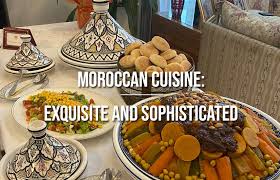
This recognition goes beyond mere culinary appreciation—it acknowledges the deep social, geographical, and historical roots that define Moroccan gastronomy. From the spice-laden souks of Marrakech to the coastal fish markets of Essaouira, Morocco’s food reflects a confluence of Berber, Arab, Andalusian, and Mediterranean influences. This article delves into the richness of Moroccan cuisine, its inclusion in UNESCO’s culinary atlas, and the role food plays in the cultural identity and heritage of Morocco.
UNESCO’s Culinary Heritage Atlas: A Global Mission to Preserve Food Culture
What Is the Atlas of the World’s Culinary Heritage?
Launched by UNESCO in collaboration with culinary historians, anthropologists, and local governments, the Atlas of the World’s Culinary Heritage is an interactive digital platform aimed at cataloging and preserving traditional food practices. This initiative not only showcases regional recipes and ingredients but also the cultural rituals surrounding food preparation, serving, and consumption.
Why Moroccan Cuisine?
Moroccan cuisine’s inclusion in the atlas comes as no surprise to food connoisseurs and cultural experts alike. Its multifaceted dishes, vibrant flavors, and reliance on fresh, local ingredients make it a quintessential representation of how cuisine reflects both identity and heritage. As Amine El Boujadi, a Moroccan gastronomy researcher, notes, “Morocco’s cuisine is not just diverse and flavorful—it is a cultural mirror of our society, our history, and our way of life.”
The Foundations of Moroccan Gastronomy
A Culinary Crossroads of Civilizations
Morocco has long stood at the intersection of Africa, Europe, and the Middle East. This geographical positioning has significantly influenced its cuisine, blending Berber traditions with Arab, Andalusian, Jewish, and Mediterranean culinary customs. The result is a rich tapestry of dishes that often incorporate sweet and savory flavors, an abundance of spices, and diverse cooking techniques.
Key Ingredients and Cooking Methods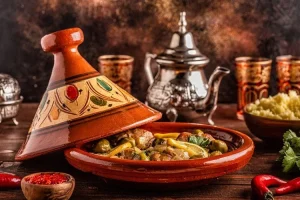
Core ingredients in Moroccan cooking include:
-
Spices such as cumin, turmeric, saffron, cinnamon, paprika, and ginger.
-
Preserved lemons and olives, commonly used in tagines and salads.
-
Fresh herbs like cilantro, parsley, and mint.
-
Grains and legumes including couscous, lentils, and chickpeas.
-
Dried fruits like apricots, prunes, and raisins.
-
Nuts such as almonds and pine nuts.
Traditional cooking methods include slow simmering in tagines (conical clay pots), charcoal grilling, steaming (as with couscous), and baking in clay ovens.
Signature Dishes by Region
Fez: The Elegance of Pastilla
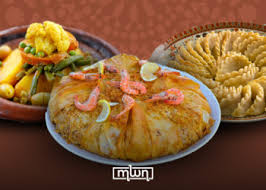
Fez, Morocco’s spiritual and intellectual heart, is home to the famous pastilla—a savory-sweet pie made with layers of flaky pastry, spiced meat (often pigeon or chicken), almonds, and dusted with cinnamon and powdered sugar. This dish exemplifies the intricate balance of sweet and savory that characterizes Moroccan cuisine.
Marrakech: The Art of Tanjia
In Marrakech, tanjia is a culinary ritual. Prepared primarily by men, this dish involves slow-cooking lamb or beef with preserved lemon, garlic, and cumin in a clay jar placed in communal ovens or buried in embers. The preparation of tanjia is often a social event, reinforcing communal bonds.
Rabat: Tagine of Beef with Prunes and Caramelized Apricots
In the capital city of Rabat, a common delicacy is beef tagine with prunes and apricots, a dish that combines tender meat with the sweetness of dried fruits, seasoned with cinnamon, ginger, and honey. The tagine, with its slow cooking method, allows flavors to meld beautifully, creating a deeply aromatic and nutritious meal.
Daily Moroccan Cuisine: A Culinary Tradition at Every Meal
Breakfast: A Fusion of Simplicity and Richness
A traditional Moroccan breakfast may include fresh khobz (bread), msemen (layered pancakes), baghrir (semolina pancakes with honey), soft cheese, olives, and mint tea. The meal reflects simplicity and the importance of freshness, often prepared using local ingredients.
Lunch: The Heartiest Meal of the Day
Lunch is traditionally the main meal and often includes a tagine or couscous on Fridays. Couscous, made from steamed semolina granules, is typically served with a medley of vegetables, chickpeas, and meat or fish. It is a celebratory and communal dish, often enjoyed with family and guests.
Dinner: Light Yet Flavorful
Dinner tends to be lighter, often comprising a simple soup such as harira (a tomato-based lentil and chickpea soup), accompanied by bread and salad. Moroccan salads, whether cooked (like zaalouk—eggplant with garlic and tomato) or raw (tomato-cucumber-onion mix), are an integral part of the Moroccan table.
Gastronomy and Cultural Identity
Cuisine as an Intangible Cultural Heritage
Food in Morocco is more than sustenance; it is a vehicle of cultural expression and intergenerational knowledge transfer. Traditional recipes are handed down through families, and culinary customs are deeply intertwined with religious and seasonal celebrations, such as Eid al-Fitr, Eid al-Adha, and Ramadan.
The Role of Women in Culinary Transmission
Women play a central role in preserving and transmitting culinary traditions. Whether through daily cooking, festive banquets, or street food vending, Moroccan women are the custodians of food heritage. This gendered aspect of gastronomy underscores the importance of food as a medium of social cohesion and identity.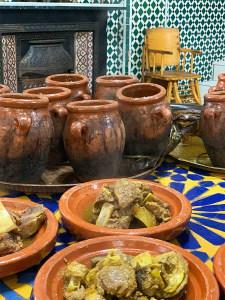
Morocco’s Culinary Tourism: A Rising Global Attraction
Culinary Destinations and Experiences
Cities like Marrakech, Fez, and Casablanca have become global food tourism hotspots. Culinary tours, cooking classes, and food festivals attract thousands of visitors each year. Tourists are drawn to Morocco not only for its historical landmarks but for its immersive food experiences, such as shopping in spice markets or learning to prepare a traditional tagine.
Restaurants and Global Recognition
Restaurants like Zyriab in Rabat exemplify the integration of tradition and innovation in Moroccan gastronomy. With a focus on local ingredients and traditional presentation, such establishments contribute to Morocco’s rising reputation in the global culinary scene.
Challenges and Opportunities for Preservation
The Risk of Cultural Erosion
With globalization and urbanization, traditional food practices are at risk. Younger generations may drift toward fast food and imported diets, threatening the transmission of culinary knowledge. UNESCO’s inclusion of Moroccan cuisine in its heritage atlas helps spotlight the urgency of safeguarding these practices.
Educational and Policy Initiatives
Morocco has an opportunity to bolster food heritage through educational programs, school curricula, and government policies that promote local agriculture, traditional cooking, and culinary arts. Initiatives like the Atlas of Culinary Heritage can serve as platforms for documentation and revitalization.
Conclusion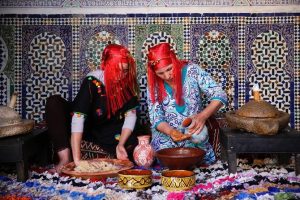
The inclusion of Moroccan cuisine in UNESCO’s Atlas of the World’s Culinary Heritage is a powerful testament to the country’s rich and diverse culinary traditions. Moroccan food is more than the sum of its ingredients; it is a living heritage that binds communities, tells historical stories, and offers a sensory journey through time and culture. As the world continues to embrace cultural diversity, Morocco’s gastronomy stands as a shining example of how food can serve as a bridge between generations, regions, and civilizations.
The 5 Best Latin American Wines to Discover