
 By admin
Introduction
Latin America has emerged as one of the most dynamic and intriguing wine-producing regions in the world. Boasting diverse climates, fertile volcanic soils, and centuries of winemaking heritage, countries like Argentina, Chile, Brazil, Uruguay, and Mexico have carved out a niche on the global wine map. From the sun-soaked vineyards of Mendoza to the cool valleys of Casablanca, Latin America offers a rich tapestry of terroirs and grape varietals that captivate sommeliers and wine lovers alike.
This article explores five exceptional wines from Latin America—each representing a unique cultural and geographic heritage. Whether you’re a casual enthusiast or a seasoned connoisseur, these wines deserve a place in your collection and on your tasting list.
1. Malbec from Argentina: The King of the Andes
Origins and Evolution
Though originally from Cahors in southwest France, Malbec found its true home in Argentina in the mid-19th century. Brought over by French agronomist Michel Aimé Pouget, Malbec adapted remarkably well to the arid yet elevated landscapes of the Andes foothills.
Mendoza: A World-Class Wine Region
The Mendoza region, especially the sub-regions of Luján de Cuyo and the Uco Valley, provides the ideal environment for Malbec cultivation. With over 300 days of sunshine, high altitudes (900–1,500 meters), and dramatic diurnal temperature shifts, Mendoza’s climate helps produce grapes with excellent color, acidity, and tannic structure.
Tasting Notes and Characteristics
Modern Argentine Malbec is known for:
-
Aromas: Ripe plum, blackberry, and cherry with subtle floral notes like violet
-
Palate: Velvety texture, medium to full-bodied, rounded tannins
-
Finish: Often enriched with hints of cocoa, vanilla, or spice from oak aging
Food Pairing and Reputation
Argentine Malbec is a perfect partner for grilled meats, especially the country’s iconic asado (barbecue). Its popularity has made it a flagship wine for Argentina, accounting for over 50% of the country’s red wine exports.
2. Carmenère from Chile: The Lost Grape Reborn
A Forgotten French Grape Finds a New Home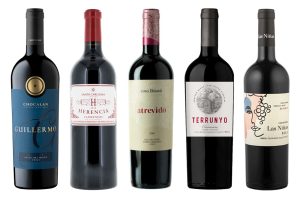
Carmenère, once a common varietal in Bordeaux, was thought to be extinct after the phylloxera epidemic in Europe. It wasn’t until the 1990s that it was rediscovered in Chile, previously mistaken for Merlot. DNA testing confirmed its identity, and since then, Carmenère has become Chile’s signature grape.
Chile’s Unique Geography
Chile’s natural barriers—the Atacama Desert to the north, Andes to the east, Pacific Ocean to the west, and Antarctic ice to the south—create a protected, pest-free environment for viticulture. The Colchagua and Maipo Valleys are particularly famous for Carmenère production.
Tasting Profile
Carmenère offers:
-
Aromas: Red and black fruit (raspberry, cherry, blackberry), green pepper, spice
-
Mouthfeel: Medium-bodied, soft acidity, smooth tannins
-
Finish: Often shows hints of dark chocolate, tobacco, or leather
Culinary Matches
Carmenère pairs well with herb-marinated meats, spicy dishes, and aged cheeses, thanks to its savory character and balanced acidity.
3. Tannat from Uruguay: A Bold and Structured Wine
From France to Uruguay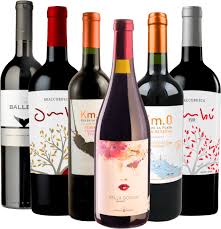
Tannat, a grape with roots in Madiran, France, found its second life in Uruguay in the 19th century. Brought by Basque immigrants, it thrived in Uruguay’s maritime climate and clay-limestone soils. Today, Tannat is Uruguay’s national grape.
Climatic Conditions and Regions
The Canelones and Maldonado regions are Tannat strongholds, benefiting from cool Atlantic breezes and regular rainfall, which soften the grape’s otherwise astringent tannins and encourage elegance.
Flavor and Structure
Tannat is characterized by:
-
Aromas: Black fruit, plum, blueberry, spices, and earthy undertones
-
Texture: High tannins, good acidity, full-bodied
-
Aging Potential: Exceptional—can age for 10+ years when well-crafted
Food Pairing Suggestions
Due to its structure, Tannat pairs beautifully with rich, fatty dishes like duck confit, roasted lamb, and mature cheeses. It’s also gaining traction as a healthier red wine, thanks to its high levels of resveratrol.
4. Torrontés from Argentina: The White Jewel of the Andes
A Native Grape with Unique Appeal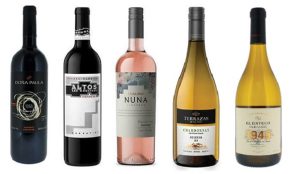
Torrontés is a rare example of a truly indigenous South American grape, believed to be a cross between Muscat of Alexandria and Criolla. It is Argentina’s most notable white grape, mainly cultivated in the Salta region, one of the highest vineyard zones in the world (up to 3,000 meters).
Distinctive Characteristics
What sets Torrontés apart is its aromatic complexity:
-
Nose: Floral and perfumed, with notes of rose petals, jasmine, and citrus
-
Palate: Dry, light-bodied, crisp acidity
-
Finish: Refreshing, often with tropical fruit and a slight minerality
Ideal Pairings
Torrontés is excellent with Asian cuisine, ceviche, or fresh salads, making it a perfect white wine for summer or warm climates. Its bold aroma combined with a dry finish surprises many first-time tasters.
5. Nebbiolo from Mexico: A Rising Star in Baja California
Italian Heritage Meets Mexican Innovation
While not native to Latin America, Nebbiolo, the noble grape of Barolo and Barbaresco, has found a fascinating expression in Mexico’s Valle de Guadalupe. This wine region, often dubbed the “Napa Valley of Mexico,” has experienced a renaissance over the last two decades.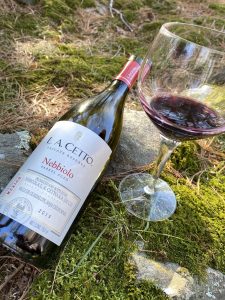
Terroir and Winemaking
Baja California features a Mediterranean-like climate, with cool nights and ocean influence moderating high daytime temperatures. Mexican winemakers have embraced low-intervention techniques and sustainable farming, producing Nebbiolo wines with both power and finesse.
Flavor Profile
Mexican Nebbiolo is known for:
-
Aromas: Dried cherry, rose, tobacco, and spice
-
Structure: High acidity and tannins, excellent aging capability
-
Profile: More fruit-forward and approachable than its Italian counterpart
Pairing Options
Try Nebbiolo with mole dishes, slow-roasted pork, or mushroom risotto. Its complexity stands up well to layered, spicy cuisine.
Conclusion: A Journey Worth Savoring
Latin America is no longer a newcomer on the world wine stage—it is a mature and innovative player producing wines of remarkable quality and diversity. From the floral elegance of Torrontés to the powerful depth of Tannat, each bottle tells the story of its land, climate, and people.
Whether you’re exploring a high-altitude vineyard in Salta, sipping Carmenère on a Chilean hillside, or tasting bold Nebbiolo in Mexico’s Valle de Guadalupe, Latin America offers an unforgettable wine journey for every palate.
As wine tourism grows and exports expand, there’s never been a better time to discover the rich variety of Latin American wines. Don’t miss out on these five must-try selections—they represent the very best of what this vibrant region has to offer.