
 By admin
Introduction
Toast has long been a staple in global breakfast traditions, known for its simplicity, versatility, and convenience. Whether you’re racing through a busy morning, craving a late-night snack, or opting for a light dinner, toast can be transformed into a nutritious and satisfying meal with the right toppings. However, the nutritional value of toast depends significantly on what you put on it.
While plain white toast is high in carbohydrates, it lacks essential nutrients and can contribute to blood sugar spikes when consumed on its own. To create a well-balanced meal, it’s important to combine toast with nutrient-dense toppings that provide fiber, healthy fats, and protein. This article explores some of the most flavorful and health-conscious toppings for toast—going beyond just taste to include the health benefits and nutritional composition of each option.
Choosing the Right Base: The Bread Matters
Before delving into toppings, selecting the right type of bread is crucial. The choice of bread significantly influences the overall nutritional profile of your toast.
White Bread: Convenient but Limited
White bread is widely consumed due to its soft texture and quick availability. However, it is highly processed and stripped of most of its natural fiber and nutrients. Its high glycemic index makes it a poor choice for individuals managing blood sugar levels.
Whole Grain and Multigrain Bread: A Smarter Choice
Whole grain and multigrain breads retain their fiber, vitamins, and minerals. These breads provide sustained energy, improve digestion, and help regulate blood sugar. Rye, spelt, or sourdough are also excellent alternatives that enhance both flavor and nutrition.
Classic Toppings: Familiar Flavors with Nutritional Twists
Butter: Traditional but Fat-Laden

Butter remains a classic toast topping, loved for its rich flavor. A standard 10g serving contains around 8.2g of fat, including 5.4g of saturated fat. While it offers some vitamin A and D, it lacks fiber and protein. As an occasional indulgence, it’s acceptable—but frequent use can contribute to increased cholesterol levels and heart disease risk.
Healthier Alternative: Try plant-based spreads made from olive oil or avocado oil for a heart-healthy alternative with similar creaminess but lower saturated fat.
Jam and Jelly: Sweet but Sugary
Jams and jellies are convenient and comforting, especially in the morning. A typical 15g serving contains around 9g of sugar and minimal nutrients. They spike blood sugar and offer little satiety due to their lack of fiber and protein.
How to Improve It: Combine jam with a layer of natural peanut butter or almond butter. This adds protein, healthy fats, and fiber to keep you fuller longer while still satisfying a sweet craving.
Sweet Options with Health Benefits
Honey: Nature’s Candy with a Bonus
Honey is a natural sweetener that contains antioxidants and has antibacterial, anti-inflammatory, and even anti-allergenic properties. A 15g serving delivers approximately 11.5g of sugar, so moderation is key.
Optimal Use: Drizzle a small amount of raw or manuka honey over Greek yogurt spread on toast. This combination balances sweetness with protein and probiotics for gut health.
Nutella and Banana: A Decadent Yet Balanced Duo
Nutella is often criticized for its sugar and fat content. However, it also contains hazelnuts, which are rich in vitamin E and healthy fats. When paired with banana slices—an excellent source of potassium, vitamin C, and fiber—the duo becomes a more balanced option.
Tip: Opt for a smaller portion of Nutella and load up on fruit. Alternatively, use a homemade chocolate-hazelnut spread with reduced sugar content.
Savory and Nutritious Toppings
Egg and Avocado: A Protein-Packed Powerhouse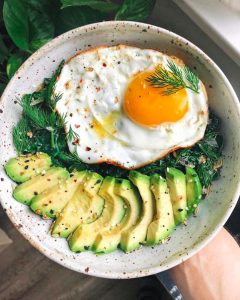
Combining eggs and avocado delivers a well-rounded, nutrient-dense meal. Eggs are a top-tier source of protein and provide nine essential amino acids, vitamin B12, and iron. Avocados, on the other hand, offer monounsaturated fats that support heart health, along with potassium, fiber, and antioxidants.
Variations:
-
Poached egg + smashed avocado + chili flakes
-
Fried egg + avocado slices + a sprinkle of feta cheese
Salmon and Avocado: The Omega-3 Combo
Adding smoked or cooked salmon introduces omega-3 fatty acids, known for their anti-inflammatory and cardiovascular benefits. Combined with avocado, this duo provides long-lasting energy and superior taste.
Serving Suggestion: Top multigrain toast with smashed avocado, thinly sliced smoked salmon, a squeeze of lemon, and dill or capers.
Creative and Superfood-Infused Toppings
Hummus and Veggies: Fiber and Flavor
Hummus is a spread made from chickpeas, olive oil, lemon juice, and tahini. It’s rich in plant-based protein, fiber, and healthy fats. Topping your toast with hummus and raw or roasted vegetables like bell peppers, cucumbers, or cherry tomatoes adds crunch, color, and a variety of nutrients.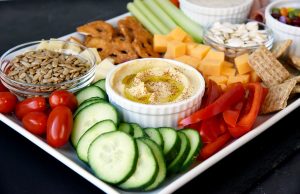
Bonus Tip: Sprinkle sesame seeds or hemp hearts for added texture and micronutrients.
Cottage Cheese and Berries: High Protein and Antioxidants
Cottage cheese is low in fat but high in protein and calcium. When paired with antioxidant-rich berries like blueberries, raspberries, or strawberries, it becomes a powerful snack or breakfast option.
Try This: Add a drizzle of honey and chia seeds to boost fiber and flavor.
Vegan and Dairy-Free Options
Nut Butters: Almond, Cashew, and Peanut
Nut butters offer a great source of plant-based protein and unsaturated fats. They are also rich in magnesium, vitamin E, and antioxidants. Spread them on whole grain toast and top with fruit, seeds, or dark chocolate chips for a delicious and energizing treat.
Best Combinations:
-
Almond butter + apple slices
-
Peanut butter + blueberries
-
Cashew butter + cinnamon and chia seeds
Tahini and Date Syrup: Middle Eastern Flair
Tahini, made from ground sesame seeds, is rich in calcium, iron, and healthy fats. Pairing it with a drizzle of date syrup offers a sweet, nutrient-dense alternative to processed spreads.
Pro Tip: Add pomegranate seeds or crushed pistachios for texture and added nutrients.
Toasting Tips for Optimal Flavor and Health
-
Don’t Over-toast: Light toasting preserves moisture and avoids carcinogenic compounds that form in burnt bread.
-
Portion Control: One to two slices with balanced toppings are generally sufficient for a meal or snack.
-
Use Toppings Wisely: Think in terms of macronutrient balance—include a source of protein, fat, and fiber.
Conclusion
Toast is far more than a quick breakfast fix—it can be a canvas for creating satisfying, flavorful, and health-conscious meals. By choosing nutrient-dense bread and combining it with thoughtful toppings, you can turn an everyday staple into a meal that supports your health, satisfies your cravings, and keeps you energized. Whether you’re opting for the savory richness of eggs and avocado, the indulgent sweetness of Nutella and banana, or the wholesome simplicity of hummus and veggies, the possibilities are endless. Make toast a part of your daily routine in a way that nourishes both body and mind.