
 By admin
The World’s 10 Hardest Currencies to Counterfeit
Introduction
In a world where financial security is paramount, banknotes are more than just mediums of exchange—they are technological marvels. Central banks across the globe invest heavily in designing currencies that are virtually impossible to forge. As counterfeiters become increasingly sophisticated, governments must constantly innovate, embedding advanced security features into their currencies to stay ahead.
This article explores the ten most difficult currencies to counterfeit in the world. We’ll delve into the unique anti-counterfeiting technologies used, the reasons why these currencies are so secure, and how continuous innovation plays a crucial role in safeguarding national economies.
Why Currency Security Matters
The Threat of Counterfeiting
Counterfeiting poses significant threats to national economies. Fake currency undermines public trust, increases inflation, and results in substantial financial losses. According to the U.S. Secret Service, millions of dollars in counterfeit currency are seized annually, yet many fakes still slip into circulation undetected.
The Role of Central Banks
To combat this, central banks continually enhance their banknotes with advanced security features. These features are designed not only to make replication extremely difficult but also to help individuals and businesses identify genuine notes quickly.
How Modern Banknotes Are Secured
Multi-Layered Security Features
Modern currencies typically include a combination of the following security technologies:
-
Watermarks: Designs embedded into the paper that are visible when held up to light.
-
Security Threads: Embedded or windowed strips that may change color or include microtext.
-
Color-Shifting Inks: Inks that appear to change color when viewed from different angles.
-
Holograms and Foils: Reflective images that offer both visual appeal and security.
-
Microprinting: Extremely small text that’s hard to replicate without precision tools.
-
UV Features: Elements visible only under ultraviolet light.
-
Tactile Printing: Raised elements that can be felt by touch, aiding the visually impaired and increasing security.
Polymer Substrates
Many of the most secure currencies are printed on polymer substrates instead of traditional paper. Polymer notes are more durable and offer a superior platform for incorporating cutting-edge security elements.
Top 10 Most Secure Currencies in the World
1. Swiss Franc (CHF)
Switzerland’s banknotes are often ranked as the most secure in the world. The Swiss National Bank released its ninth series of notes in 2019, featuring 18 security features.
Key Features:
-
Three-layered security thread.
-
Ultraviolet and infrared-visible elements.
-
Tilt effects and micro-perforations.
-
Transparent windows embedded in polymer.
Why It’s Hard to Counterfeit: The combination of tactile elements and dynamic optical features makes Swiss francs virtually impossible to duplicate.
2. Euro (EUR)
The euro, used by 20 EU member states, is equipped with next-generation security elements. The second series of euro banknotes (Europa series) focuses on ease of verification and high-tech security.
Key Features: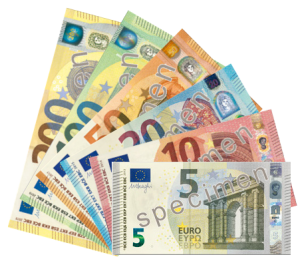
-
Portrait watermark and hologram.
-
Emerald number that changes color.
-
Raised print for tactile verification.
Why It’s Hard to Counterfeit: Uniform anti-counterfeit technologies across all denominations increase security while making it easy to recognize fakes.
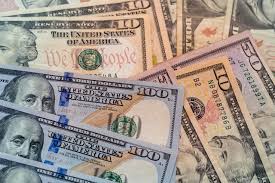
3. United States Dollar (USD)
While the U.S. dollar is the most counterfeited currency globally, it’s also one of the hardest to replicate thanks to its continuous updates.
Key Features:
-
3D security ribbon.
-
Color-shifting ink on denomination numerals.
-
Microprinting and watermark portrait.
Why It’s Hard to Counterfeit: The U.S. Department of the Treasury updates designs regularly and includes features that are difficult to replicate without industrial-grade equipment.
4. Canadian Dollar (CAD)
Canada transitioned to polymer banknotes in 2011, making its currency among the most advanced in the world.
Key Features:
-
Transparent polymer windows.
-
Holographic metallic portraits and numbers.
-
Complex transparent areas with hidden features.
Why It’s Hard to Counterfeit: The polymer base allows for clear windows and intricate designs that are extremely difficult to forge.
5. Pound Sterling (GBP)
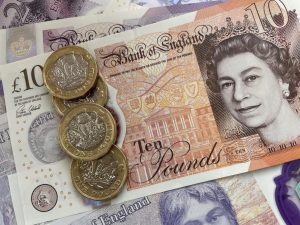
The Bank of England has introduced polymer notes with innovative features to protect against counterfeiting.
Key Features:
-
See-through windows with metallic imagery.
-
Tactile dots for visually impaired users.
-
Holograms that switch between words.
Why It’s Hard to Counterfeit: The design is updated regularly, and new features such as transparent elements and holographic symbols raise the bar for counterfeiters.
6. Australian Dollar (AUD)
Australia was the first country to release polymer banknotes back in 1988. It remains a global leader in currency security.
Key Features:
-
Clear top-to-bottom windows.
-
Colorful, layered images.
-
Tactile indicators and microtext.
Why It’s Hard to Counterfeit: The country’s decades of experience with polymer and high-tech printing methods make its notes exemplary in durability and safety.
7. Norwegian Krone (NOK)
Norway’s banknotes stand out for their minimalist yet highly secure designs, introduced in their latest series.
Key Features:
-
Dynamic color-shifting elements.
-
-
UV-visible serial numbers and graphics.
-
Microprint with Nordic motifs.
Why It’s Hard to Counterfeit: The combination of clean design with modern features makes forgery instantly noticeable.
8. Singapore Dollar (SGD)
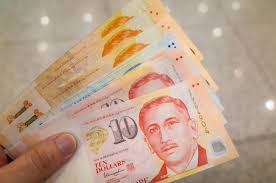
The Monetary Authority of Singapore issues banknotes that combine tradition with futuristic security.
Key Features:
-
Optically variable ink.
-
Latent images and security threads.
-
Polymer-based commemorative notes.
Why It’s Hard to Counterfeit: Singapore’s hybrid approach—using both paper and polymer—allows advanced security integration across various note types.
9. Hong Kong Dollar (HKD)
Three different banks issue banknotes in Hong Kong, but all conform to the same strict security standards.
Key Features:
-
Windowed metallic thread.
-
Complex background patterns.
-
Fluorescent security fibers.
Why It’s Hard to Counterfeit: Uniform security integration across different issuing banks creates a cohesive, hard-to-forge system.
10. New Zealand Dollar (NZD)
New Zealand’s “Brighter Money” series introduced in 2015 emphasizes both durability and security.
Key Features:
-
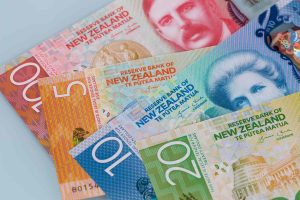 Transparent windows with borders.
-
Holographic images and UV features.
-
Raised ink and tactile elements.
Why It’s Hard to Counterfeit: The visually rich and technically sophisticated design makes forgeries easy to spot and hard to produce.
Emerging Trends in Banknote Security
Integration with Digital Technology
Some central banks are exploring augmented reality (AR) and mobile app verification tools that allow consumers to scan banknotes for authentication.
Biometric and Smart Banknotes
While not yet mainstream, research is ongoing into smart banknotes embedded with chips that can verify authenticity electronically.
Sustainability in Banknote Production
Polymer notes not only enhance security but also contribute to environmental sustainability due to their extended lifespan and recyclability.
Conclusion
Counterfeiting remains a persistent threat in the global financial system, but the world’s most secure currencies demonstrate how innovation, technology, and design can work together to thwart this illicit activity. From advanced polymers to intricate holograms and color-shifting inks, the layers of protection in modern banknotes are the result of decades of research and technological progress.
As counterfeiters become more resourceful, central banks must stay ahead with continuous advancements. The top ten currencies listed in this article exemplify the highest standards of security, serving as benchmarks for other nations striving to protect their financial systems.
Affiliate Marketing and Product Ownership