
 By admin
Introduction
Cats are beloved members of millions of households around the world. They bring joy, companionship, and comfort. However, they can also exhibit destructive behaviors, such as scratching furniture, knocking over objects, or urinating outside the litter box. These behaviors often leave owners frustrated and confused, especially when their cats seem otherwise healthy. Recent research reveals a key insight into the root cause of this issue: feline stress. Understanding the emotional and environmental triggers behind destructive behaviors is essential to creating a peaceful home for both humans and cats.
This article explores the latest scientific findings on the behavioral patterns of domestic cats, highlights the impact of stress on their actions, and offers practical, research-backed strategies to reduce destructive tendencies. With over 1,500 words, this in-depth guide will equip cat owners with the tools and understanding necessary to preserve their home and strengthen their bond with their feline companions.
The Hidden Cause of Destructive Behavior: Stress in Cats
Understanding Feline Stress
Just like humans, cats experience stress. But unlike humans, they often cannot communicate their discomfort directly. Instead, their anxiety manifests in ways that may appear mischievous or aggressive—scratching couches, biting, or refusing to use the litter box.
According to a recent study led by Dr. Yasemin Salgirli Demirbas from Ankara University, feline stress plays a significant role in destructive household behavior. The study, which analyzed data from more than 1,200 cat owners, found a direct correlation between high-stress environments and an increase in undesirable scratching.
Environmental Stressors and Their Effects
Some of the primary environmental stressors include:
-
The presence of young children
-
Frequent visitors or constant activity in the home
-
Changes in routine or new pets
-
Lack of stimulation or hiding spaces
Interestingly, the study concluded that the stress response is consistent across all breeds, sizes, and health statuses. Whether your cat is a sleek Siamese or a sturdy Maine Coon, environmental stress can trigger destructive habits.
The Science of Scratching: More Than Just a Habit
Why Do Cats Scratch?
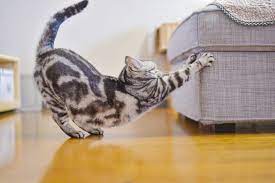
Scratching is a natural behavior for cats. It serves several important purposes:
-
Sharpening and cleaning claws
-
Marking territory with both visual marks and scent glands in their paws
-
Stretching muscles and maintaining flexibility
-
Relieving emotional stress or anxiety
While scratching is instinctual, it becomes problematic when cats direct it toward household furniture, walls, or doors.
Scratching as a Coping Mechanism
For many cats, scratching is a form of stress relief. In high-stimulation environments, such as households with children or multiple pets, cats may turn to scratching to release pent-up tension. This coping mechanism is comparable to how some people bite their nails or pace when anxious.
Practical Solutions for a Cat-Friendly Home
1. Place Scratching Posts Strategically
One of the most effective ways to prevent furniture damage is to offer appropriate scratching alternatives. Researchers recommend placing scratching posts or pads in areas where your cat already shows interest in scratching.
Tips:
-
Choose posts of various textures (carpet, sisal, cardboard).
-
Ensure posts are sturdy and tall enough for a full-body stretch.
-
Place them near the cat’s favorite resting spots and social zones.
2. Create a Low-Stress Environment
Reducing stress is the foundation of behavioral improvement. Key strategies include:
Safe Spaces:
-
Provide hiding spots, such as covered beds or boxes.
-
Set up high vantage points, like cat trees or window perches.
Predictable Routine:
-
Feed your cat at regular times.
-
Avoid sudden changes in the environment.
Limit Overstimulation:

-
In homes with children, teach them to respect the cat’s space.
-
Allow your cat to retreat and rest without interruption.
3. Engage in Interactive Play
Cats are natural predators. Mimicking hunting behavior through short, frequent play sessions is more beneficial than long, exhausting ones. This approach is rooted in recent behavioral science, which shows that cats respond better to multiple brief interactions.
Examples of interactive toys:
-
Wand toys that simulate prey
-
Laser pointers (with a physical toy at the end to “catch”)
-
Puzzle feeders
Frequency and Duration:
-
Aim for 3–5 play sessions per day, each lasting 5–10 minutes.
4. Use Behavioral Enrichment Tools
Environmental enrichment is essential for reducing boredom and anxiety.
Ideas:
-
Rotate toys weekly to keep them novel.
-
Use window hammocks or feeders to create “cat TV” with views of birds or squirrels.
-
Try treat-dispensing toys that require problem-solving.
When to Seek Professional Help
Identifying Serious Behavioral Issues
While many destructive behaviors can be managed at home, some cases require professional attention.
Warning signs:
-
Excessive grooming leading to bald spots
-
Unprovoked aggression toward people or pets
-
Frequent urination outside the litter box
-
Persistent hiding or withdrawal
In such cases, consult a veterinarian or a feline behaviorist. Medical conditions such as urinary tract infections, arthritis, or neurological disorders can also manifest as behavioral problems.
The Role of Pheromones and Supplements
In particularly stressful environments, you may consider pheromone diffusers (like Feliway) or natural calming supplements. These products are designed to mimic natural feline hormones and can help reduce anxiety-related behaviors.
Always discuss with your vet before introducing any supplement or over-the-counter treatment.
Building a Stronger Bond Through Understanding
Emotional Intelligence in Cats
Cats are more emotionally attuned than they are often given credit for. They respond to their owners’ moods and learn from repeated interactions. By observing your cat’s body language and understanding their emotional needs, you foster a deeper, more respectful relationship.
Signs of emotional stress in cats:
-
Flattened ears
-
Dilated pupils
-
Swishing tail
-
Increased vocalization or silence
Positive Reinforcement Is Key
Punishing your cat for scratching or other “bad” behaviors is not effective and can increase stress. Instead, reward good behavior consistently with treats, affection, or play.
Conclusion
Destructive behavior in cats is not an act of defiance but often a cry for help. Stress, environmental discomfort, and unmet emotional needs are the root causes of behaviors like scratching, biting, or inappropriate urination. The good news is that with a little effort, understanding, and strategic changes to your home, you can transform your cat’s behavior.
By providing proper scratching outlets, creating low-stress zones, playing frequently in short bursts, and recognizing the signs of feline anxiety, you can protect your home and enhance your cat’s well-being. These measures not only safeguard your furniture but also strengthen the human-animal bond, turning potential frustration into a harmonious coexistence.
Exploring the World of Cat Breeds