
 By admin
Introduction
One of the most persistent myths surrounding veganism is that it’s difficult—if not impossible—to get enough protein from a plant-based diet. “But where do you get your protein?” is a question nearly every vegan has heard. This concern arises from the widespread belief that protein is primarily found in animal-based foods like meat, eggs, and dairy. While these are indeed protein-rich, the plant kingdom offers a wide variety of nutrient-dense foods capable of meeting daily protein requirements—without relying on animal products.
In reality, a well-planned vegan diet can provide all the essential amino acids your body needs for optimal health, including muscle growth, tissue repair, and hormone production. In this article, we’ll explore the protein needs of different individuals, debunk misconceptions, and present the most potent vegan sources of protein available today. Whether you’re already following a vegan lifestyle or considering the switch, this guide will empower you with up-to-date, scientifically sound insights.
Understanding Protein Requirements
The Role of Protein in the Human Body
Protein is one of the three macronutrients vital to human health, alongside carbohydrates and fats. It is composed of amino acids, the building blocks that our bodies use to repair tissues, support immune function, produce enzymes, and maintain muscle mass.
There are nine essential amino acids that the human body cannot synthesize on its own—meaning they must be obtained through food. While animal-based proteins typically contain all nine (making them “complete” proteins), many plant-based options also meet this criterion or can be combined to do so.
How Much Protein Do You Really Need?
According to modern guidelines such as those from the World Health Organization (WHO) and nutritional research published by sources like BBC Good Food, the Recommended Dietary Allowance (RDA) for protein is approximately:
-
56 grams per day for adult men
-
46 grams per day for adult women
However, individual requirements may vary significantly. Athletes, pregnant or breastfeeding women, older adults, and people with specific medical conditions often need more protein to support increased bodily demands.
Top Vegan Protein Sources
Legumes: The Cornerstone of Vegan Protein
Beans, Lentils, Peas, and Chickpeas
Legumes are among the most reliable sources of plant-based protein. They are naturally rich in fiber, iron, and essential nutrients, making them an ideal base for vegan meals.
-
Lentils (cooked): ~18 grams of protein per cup
-
Chickpeas: ~15 grams per cup
-
Black beans: ~15 grams per cup
-
Edamame (young soybeans): ~20 grams per cup
What’s more, legumes often provide complex carbohydrates and antioxidants that support overall health and energy levels.
Soy-Based Products: Nutritional Powerhouses
Tofu and Tempeh
Derived from soybeans, both tofu and tempeh are complete protein sources that offer versatility in cooking and a wide array of micronutrients.
-
Tofu (firm, cooked): ~20 grams of protein per cup
Rich in calcium, iron, magnesium, and omega-3 fatty acids, tofu adapts to savory and sweet dishes alike. -
Tempeh: ~41 grams of protein per cup
Made from fermented soybeans, tempeh boasts not only an incredible protein content but also probiotic benefits that support gut health.
Soy Milk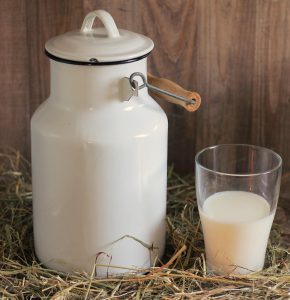
A common dairy alternative, soy milk contains about 8 grams of protein per cup, matching the protein levels found in cow’s milk. It’s excellent in smoothies, cereals, and baked recipes.
Seitan: The “Wheat Meat”
Seitan, made from wheat gluten, is a protein-rich meat substitute commonly used in vegan cooking due to its meat-like texture and flavor-absorbing properties.
-
Seitan (cooked): ~25 grams of protein per 100 grams
It’s also low in fat and calories, making it a valuable option for those managing their weight or looking to cut down on saturated fat.
Nutritional Yeast: The Vegan Cheese Substitute
Often referred to as “nooch,” nutritional yeast is a deactivated yeast that adds a cheesy, savory flavor to dishes while delivering important nutrients.
-
Protein content: ~9 grams per two tablespoons
-
Bonus nutrients: High in B-vitamins, particularly B12 when fortified
Use it on pasta, popcorn, or in sauces to enhance both nutrition and flavor.
Nuts and Seeds: Protein and Healthy Fats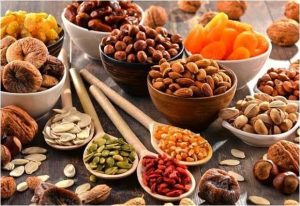
Though they are typically higher in fat and calories, nuts and seeds also offer a generous dose of protein along with heart-healthy fats.
-
Almonds (28g): ~6 grams of protein
-
Hemp seeds (½ cup): ~15.5 grams
-
Peanut butter (2 tbsp): ~7 grams
-
Chia seeds (2 tbsp): ~4.7 grams
They are also excellent sources of magnesium, zinc, selenium, and omega-3 fatty acids.
Whole Grains: More Than Just Carbs
Grains are often dismissed as mere carbohydrates, but several whole grains contain meaningful levels of protein.
-
Quinoa (cooked): ~8 grams per cup
A complete protein, quinoa is also rich in fiber and iron. -
Brown rice (cooked): ~5 grams per cup
Combines well with legumes to form a complete protein profile. -
Oats (cooked): ~5 grams per cup
Ideal for breakfast or baking, oats are nutrient-dense and filling. -
Whole wheat pasta: ~8 grams per cooked cup
Choose 100% whole grain options for maximum benefit. -
Buckwheat: ~24 grams per cooked cup
Despite its name, buckwheat is gluten-free and rich in magnesium and antioxidants. -
Wild rice: ~7 grams per cup
Also high in B-vitamins, wild rice is a great side dish or base for salads.
Protein-Rich Vegetables
While not as dense in protein as legumes or soy, certain vegetables can still make a meaningful contribution to your daily intake.
-
Artichokes: ~8 grams per cup
-
Spinach: ~5 grams per cup
-
Broccoli: ~4 grams per cup
-
Kale and Brussels sprouts: ~3 grams per cup
Adding a variety of vegetables to your plate boosts not only protein but also vitamins, minerals, and fiber.
Combining Proteins for Complete Nutrition
Though some plant proteins may be “incomplete” (lacking one or more essential amino acids), eating a variety of plant-based foods throughout the day ensures you get all the amino acids your body needs.
Examples of ideal combinations include:
-
Rice and beans
-
Hummus and whole grain pita
-
Peanut butter on whole wheat bread
-
Tofu stir-fry with vegetables and quinoa
Thanks to modern understanding of nutrition, it’s no longer considered necessary to combine these proteins within a single meal—what matters most is dietary diversity throughout the day.
Debunking the Protein Myth
Do Vegans Get Enough Protein?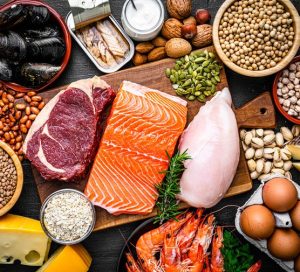
According to numerous studies, including those by the Academy of Nutrition and Dietetics, well-planned vegan diets are capable of meeting all nutritional needs, including protein. Most vegans, especially those consuming whole foods rather than processed options, actually exceed the recommended daily protein intake.
The Dangers of Protein Overemphasis
In some Western diets, the obsession with protein has led to overconsumption, often at the expense of other essential nutrients. Excess protein, particularly from red and processed meats, has been linked to health risks such as kidney strain, heart disease, and certain cancers. A balanced vegan diet avoids these risks while supporting optimal health.
Conclusion
Transitioning to a vegan lifestyle does not mean sacrificing protein intake. On the contrary, a diverse and balanced plant-based diet can easily provide all the protein your body needs. From protein-packed legumes to powerhouse grains and nutritious seeds, the variety is both delicious and plentiful.
Understanding your body’s protein requirements and knowing which foods provide the best sources allows you to meet your nutritional goals with confidence. The next time someone questions your plant-based choices, you’ll not only have a smart answer—you’ll have the science to back it up.
5 Colon-Friendly Foods for a Healthier Gut