
 By admin
Homeopathy: A Comprehensive Introduction
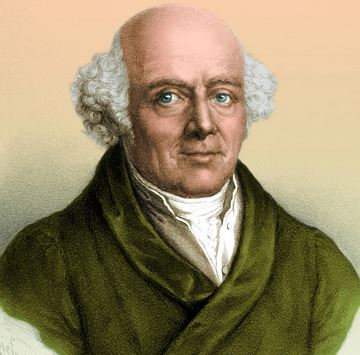
Homeopathy is a holistic system of medicine introduced by the German physician Dr. Samuel Hahnemann. Initially trained as an allopathic doctor, Hahnemann became disillusioned with the temporary relief and side effects associated with conventional medicine. Seeking an alternative, he began translating medical texts and discovered the potential of homeopathy through an insightful experiment involving cinchona bark, a treatment for malaria. This discovery laid the foundation for homeopathy, which operates on the principle of “similia similibus curantur,” meaning “like cures like.”
The Origin of Homeopathy
While translating William Cullen’s Materia Medica, Hahnemann encountered a description of cinchona’s ability to cure and mimic malaria symptoms. Intrigued, he ingested an extract of cinchona bark himself and observed that it produced malaria-like symptoms in his healthy body. Further experiments confirmed that substances causing specific symptoms in healthy individuals could alleviate similar symptoms in the diseased.
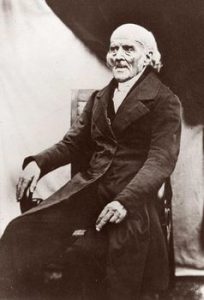
This revolutionary principle led Hahnemann to develop a range of medicines using alcohol as a solvent, documenting their effects in a systematic manner. Over time, he meticulously tested and documented the symptoms induced by approximately 30 substances, compiling these findings in Materia Medica Pura. Homeopathy’s dynamic approach soon gained recognition for its remarkable results. !!!
Key Principles of Homeopathy
- Holistic Treatment: Homeopathy considers the patient as a whole, addressing physical, mental, emotional, and social aspects rather than focusing solely on the diseased part or organ. It believes that diseases stem from imbalances in the vital force—an invisible energy that maintains harmony in the body.
- Dynamic Nature of Disease: According to Hahnemann, diseases arise from dynamic disturbances rather than merely external pathogens like bacteria or viruses. These disruptions create an environment conducive to infections. Thus, homeopathy targets the root cause for lasting relief.
- Miasms: Hahnemann identified three fundamental miasms—Psora, Syphilis, and Sycosis—as the underlying causes of chronic diseases. Each miasm contributes to different pathological expressions:
- Psora: Functional disturbances.
- Syphilis: Tissue destruction.
- Sycosis: Overgrowth and proliferation.
Homeopathic remedies aim to neutralize these miasms using similar dynamic forces.
Development and Expansion
Hahnemann’s principles were formalized in his seminal work, Organon of Medicine, which underwent six editions. Despite initial opposition, the efficacy of homeopathy gained the attention of other physicians, including notable pioneers like Dr. J.T. Kent, Dr. Constantine Hering, and Dr. Boenninghausen. These followers expanded the repertory of remedies and refined techniques such as potentization.
Potentization
Potentization is the process of diluting and succussing (vigorously shaking) a substance to enhance its medicinal properties. This process reduces the physical quantity of the drug while amplifying its therapeutic potency. Different scales of potentization include:
- Decimal (X): 1 part drug to 10 parts solvent (e.g., 3X, 6X).
- Centismal (C): 1 part drug to 100 parts solvent (e.g., 30C, 200C).
- LM Scale: 1 part drug to 50,000 parts solvent (e.g., 0/1, 0/2).
This unique approach allows homeopathy to address even deep-seated and mental ailments effectively.
Homeopathic Philosophy and Practice
Symptom Analysis
Homeopathic diagnosis prioritizes the individual’s symptomatology, encompassing:
- Mental Symptoms: Emotional and psychological states like fear, anxiety, depression, anger, or jealousy.
- Physical Generals: Appetite, thirst, sleep patterns, body temperature preferences, and reactions to environmental changes.
- Particular Symptoms: Specific to affected organs or body parts, such as swelling or discoloration.
- Uncommon and Peculiar Symptoms: Unique traits that distinguish one patient’s case from another, often critical for remedy selection.
Case Taking
Comprehensive case-taking involves gathering detailed information about:
- Past illnesses and family medical history.
- Dietary habits and lifestyle factors.
- Relationships to climatic conditions and constitutional traits.
Repertorization
Symptoms are systematically analyzed and matched with remedies using a repertory—an index of symptoms linked to various medicines. Modern practitioners often use software for repertorization, ensuring precision in remedy selection.
Preparation of Medicines
Homeopathic remedies derive from diverse sources, including plants, minerals, animals, and even pathological specimens. Substances are transformed into therapeutic agents through potentization, which can involve:
- Trituration: Grinding insoluble substances with lactose.
- Dilution: Mixing soluble substances with alcohol and water.
The initial extract, called the mother tincture (denoted as “Q”), undergoes serial dilutions to achieve the desired potency. The choice of potency depends on factors such as:
- Severity and depth of the disease.
- Patient’s constitution and sensitivity.
- Nature of the symptoms and their intensity.
Subjects Studied in Homeopathy
Homeopathy encompasses both foundational and clinical sciences, including:
- History and Philosophy: Origins, development, and principles of homeopathy.
- Materia Medica: Comprehensive symptom profiles of remedies.
- Pharmacy: Preparation and standardization of medicines.
- Repertory: Tools for systematic symptom analysis.
- General Medical Subjects: Anatomy, physiology, pathology, microbiology, and clinical specialties like pediatrics, dermatology, psychiatry, and more.
Diagnosis and Treatment
General Examination
- Vital Signs: Pulse, blood pressure, temperature, and respiratory rate.
- Systemic Examination: Assessment of respiratory, digestive, cardiovascular, and nervous systems.
- Laboratory Investigations: Identifying any underlying or complicating conditions.
Remedial Diagnosis
The cornerstone of homeopathy, remedial diagnosis involves:
- Prioritizing symptoms based on relevance and uniqueness.
- Selecting remedies that best match the patient’s symptom profile.
- Addressing the miasmatic root cause with appropriate anti-miasmatic drugs.
Advantages of Homeopathy
- Individualized Treatment: Tailored remedies cater to the unique constitution of each patient.
- Non-Invasive: Gentle and free of side effects when used correctly.
- Holistic Approach: Addresses physical and psychological dimensions for comprehensive healing.
- Dynamic Remedies: Potentized medicines act deeply, even on chronic and mental conditions.
Conclusion
Homeopathy offers a scientifically grounded and holistic approach to healing, emphasizing the interconnectedness of mind, body, and spirit. By treating the root cause of ailments and prioritizing individualized care, this system has garnered global recognition for its efficacy and sustainability. With its unique principles, dynamic remedies, and comprehensive methodology, homeopathy continues to inspire confidence in patients and practitioners alike, paving the way for enduring health and well-being.