
 By admin
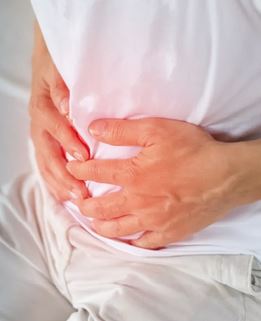
Hernia: A Comprehensive Overview
Introduction
A hernia is a medical condition characterized by the abnormal protrusion of internal organs or tissues through a weakened or abnormal opening in the wall of a cavity. This condition often results from a combination of increased internal pressure and structural weakness in the body’s walls. Hernias commonly manifest as swellings that become more prominent with activities such as coughing, lifting heavy objects, or during bowel and urinary movements. In certain types of hernia, such as strangulated or irreducible hernias, the swelling may not recede even in a lying-down position.

Causes of Hernia
The development of a hernia is often attributed to two primary factors: weakness in the body wall and increased internal pressure.
1. Weakness in the Body Wall
- Congenital Weakness: Some individuals are born with structural weaknesses in their body walls.
- Acquired Weakness:
- Injuries or trauma to the muscles.
- Muscle wasting due to aging or medical conditions.
- Suppurative lesions in the body wall.
- Presence of naturally weak openings.
- Obesity, lack of regular exercise, or repeated pregnancies.
- Post-surgical complications, such as improper suturing or infection at the operated site.
2. Increased Internal Pressure
- Chronic constipation, leading to prolonged straining during bowel movements.
- Persistent or recurrent coughing.
- Heavy weightlifting.
- Stricture of the urethra, causing difficulty in urination.
Common Sites for Hernia
Hernias can occur in various parts of the body, although they are most frequently observed in the abdominal wall due to its relative structural weakness. Below are the most common sites:
a) Inguinal Hernia
This is the most prevalent type of hernia, particularly in males. It occurs when abdominal contents protrude through the inguinal canal, located in the lower abdominal wall. Initially, the swelling may appear only during straining and disappear when lying down. Over time, larger portions of the intestine may protrude, making it harder for the swelling to recede.
b) Femoral Hernia
More common in females, this type occurs when abdominal contents pass through the femoral canal below the junction of the thigh and lower abdominal wall. The swelling often emerges through the saphenous opening in the thigh.
c) Umbilical Hernia
Typically seen in children, this hernia involves the protrusion of abdominal contents through the umbilicus, creating a bulb-like swelling that becomes more pronounced during crying or straining.
d) Incisional Hernia
This occurs at the site of a previous surgical operation. Factors such as improper suturing or infection can weaken the area, leading to herniation.
e) Epigastric Hernia
Located in the epigastrium (upper central region of the abdomen), this is a rare type of hernia.
f) Lumbar Hernia
Rarely occurring in the lumbar region on either side of the lumbar spine, this type involves herniation through the lumbar triangle.
g) Obturator Hernia
This rare type of hernia occurs when abdominal contents protrude through the obturator foramen in the pelvic bone.
Complications of Hernia
If left untreated, hernias can lead to severe complications:
1. Strangulation
When the hernial opening is too narrow, the abdominal contents may become trapped, cutting off blood flow. This can lead to tissue death and requires immediate medical intervention.
2. Intestinal Obstruction
This occurs when a portion of the intestine becomes entirely trapped within the hernial sac, obstructing the passage of bowel contents.
3. Infection and Peritonitis
If strangulation results in the death of intestinal tissue, it can lead to the spread of infection within the abdominal cavity, causing peritonitis—a life-threatening condition.
Treatment of Hernia
Initial Management
In the early stages of hernia development, the following steps may help manage the condition:
- Use of Hernia Belts: Specialized belts designed for specific types of hernias can help prevent protrusion and reduce discomfort.
- Treat Underlying Conditions: Address issues like chronic constipation, persistent coughing, and urinary obstruction.
- Weight Management: Reducing body fat can strengthen the abdominal wall.
- Abdominal Exercises: Exercises aimed at improving muscle tone can be beneficial.
- Dietary Adjustments: A diet rich in leafy greens, fruits, and fiber can promote regular bowel movements and reduce straining.
- Alternative Therapies: Some patients explore homeopathy or herbal remedies for symptom relief.
If these measures fail to provide relief, surgical intervention becomes necessary.
Surgical Treatment
The choice of surgery depends on the type and severity of the hernia. Common surgical procedures include:
- Herniotomy: This involves pushing the contents of the hernial sac back into the abdominal cavity, tying off the neck of the sac with a transfixion ligature, and removing the sac.
- Herniorrhaphy: Along with herniotomy, the posterior wall of the hernia is repaired.
- Hernioplasty: When herniotomy is not feasible due to a wide neck of the hernial sac, this procedure involves repairing the hernia using non-absorbable materials such as polypropylene mesh, tantalum gauze, or stainless steel mesh.
Preventive Measures
While not all hernias can be prevented, certain lifestyle adjustments can reduce the risk:
- Maintain a Healthy Weight: Excess weight puts additional strain on the abdominal wall.
- Avoid Heavy Lifting: Use proper techniques or avoid lifting heavy objects altogether.
- Treat Chronic Conditions: Effectively manage chronic coughs, constipation, and other conditions that increase internal pressure.
- Exercise Regularly: Strengthen abdominal muscles through targeted exercises.
- Post-Surgical Care: Follow proper post-operative guidelines to avoid complications at surgical sites.
Conclusion
Hernias are a common medical condition that can significantly impact quality of life if left untreated. Recognizing the symptoms early and addressing underlying causes can help manage the condition effectively. Surgical intervention remains the definitive treatment for hernias, especially when complications arise. By adopting preventive measures and seeking timely medical care, individuals can reduce the risks associated with hernias and maintain overall health and well-being.
Understanding and Managing Acid Reflux