
 By admin

You Are What You Eat: The Science Behind Superfoods and Their Impact on Health
Introduction
The old saying, “You are what you eat,” holds more truth than ever in today’s fast-paced world. Scientific research has identified a group of foods, known as “superfoods,” that offer extraordinary health benefits. These nutrient-rich foods are packed with essential vitamins, minerals, and antioxidants that can help prevent and even reverse chronic diseases. In contrast, a poor diet can lead to various health complications, affecting both physical and mental well-being.
In this article, we will explore the concept of superfoods, their impact on overall health, the risks associated with an unbalanced diet, and how incorporating these foods into your daily routine can lead to a longer, healthier life.
The Power of Superfoods: What Makes Them Special?
Superfoods are naturally nutrient-dense, offering more health benefits per calorie compared to other foods. They contain high levels of vitamins, minerals, and antioxidants, which play crucial roles in disease prevention and overall well-being. Here are some of the key benefits of superfoods:
1. Rich in Antioxidants
Antioxidants help fight oxidative stress caused by free radicals in the body. Oxidative stress is linked to aging and various chronic diseases, including cancer and heart disease.
2. Boosting the Immune System
Many superfoods contain immune-boosting compounds that help the body fight off infections and diseases.
3. Supporting Heart Health
Foods like salmon, nuts, and whole grains help lower bad cholesterol levels and reduce the risk of cardiovascular diseases.
4. Enhancing Brain Function
Certain superfoods, such as blueberries and green tea, have been shown to improve cognitive function and reduce the risk of neurodegenerative diseases like Alzheimer’s.
5. Aiding in Weight Management
Due to their high fiber content and ability to promote satiety, superfoods can help regulate appetite and maintain a healthy weight.
Top 14 Superfoods You Should Include in Your Diet
1. Beans and Legumes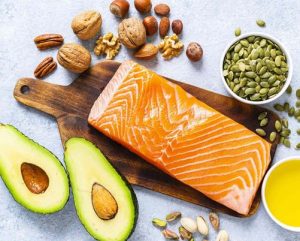
Rich in fiber and protein, beans support digestive health, stabilize blood sugar levels, and help in weight management.
2. Berries (Especially Blueberries)
Packed with antioxidants, vitamins, and fiber, berries help reduce inflammation and support brain health.
3. Broccoli
A powerhouse of vitamins C and K, broccoli has anti-cancer properties and supports bone health.
4. Green Tea
Loaded with antioxidants called catechins, green tea boosts metabolism, enhances brain function, and reduces the risk of heart disease.
5. Nuts (Especially Walnuts)
High in healthy fats, omega-3s, and protein, nuts help improve heart health and cognitive function.
6. Oranges
A great source of vitamin C, oranges boost the immune system and promote skin health.
7. Pumpkin
Rich in beta-carotene and fiber, pumpkin supports eye health and digestion.
8. Salmon
One of the best sources of omega-3 fatty acids, salmon promotes heart and brain health while reducing inflammation.
9. Soy
Soy-based foods, such as tofu and edamame, provide plant-based protein and can help regulate cholesterol levels.
10. Spinach
Packed with iron, vitamins, and antioxidants, spinach supports blood health and overall vitality.
11. Tomatoes
Rich in lycopene, an antioxidant known to reduce the risk of certain cancers and support heart health.
12. Turkey
A lean source of protein, turkey helps build muscle and keep energy levels stable.
13. Whole Grains and Oats
High in fiber, whole grains aid in digestion, regulate blood sugar, and reduce the risk of heart disease.
14. Yogurt
Packed with probiotics, yogurt supports gut health and strengthens the immune system.
The Dangers of an Unbalanced Diet
A diet lacking in essential nutrients can lead to numerous health problems. Some of the most common issues associated with an unhealthy diet include:
1. Low Energy Levels and Fatigue
A diet high in processed foods and refined sugars can cause blood sugar fluctuations, leading to energy crashes.
2. Mood Swings and Irritability
Nutritional deficiencies, particularly in B vitamins and omega-3 fatty acids, can affect mental health and contribute to mood disorders.
3. Weakened Immune System
A lack of vitamins and minerals can compromise the immune system, making the body more susceptible to infections and illnesses.
4. Digestive Issues
Insufficient fiber intake can lead to digestive problems such as constipation and bloating.
5. Increased Risk of Chronic Diseases
A diet high in unhealthy fats, sugars, and processed foods is a major contributor to obesity, diabetes, hypertension, and cardiovascular diseases.
How to Incorporate Superfoods into Your Daily Diet
Adding superfoods to your diet doesn’t have to be complicated. Here are some simple tips:
1. Start Your Day with a Superfood Smoothie
Blend berries, spinach, Greek yogurt, and a handful of nuts for a nutrient-packed breakfast.
2. Snack Smart
Replace processed snacks with nuts, seeds, or fruit to boost energy levels throughout the day.
3. Include Whole Grains in Your Meals
Swap white rice and bread for whole grains like quinoa, brown rice, or whole wheat bread.
4. Opt for Lean Proteins
Choose lean sources of protein such as salmon, turkey, or plant-based options like tofu and legumes.
5. Drink Green Tea Instead of Sugary Beverages
Green tea provides antioxidants and boosts metabolism without added sugars.
Conclusion
Superfoods play a crucial role in maintaining a healthy body and mind. By incorporating these nutrient-rich foods into your diet, you can improve your immune system, enhance brain function, and reduce the risk of chronic diseases. In contrast, a poor diet can lead to numerous health complications, from fatigue and mood swings to serious illnesses like diabetes and heart disease.
Making small but impactful changes in your diet, such as adding more whole foods and reducing processed foods, can lead to a healthier, more vibrant life. Remember, what you eat directly influences your well-being—so choose wisely!
How Nursing Supports Rest for Mother and Baby?