
 By admin
Comprehensive Guide to Detecting and Repairing Swimming Pool Leaks
Introduction
Maintaining a swimming pool in optimal condition requires diligent care and timely repairs. One of the most common yet often overlooked issues pool owners face is leaks. Pool leaks can lead to excessive water loss, chemical imbalances, increased utility costs, and even structural damage if left unaddressed. Identifying and repairing leaks promptly ensures the longevity, efficiency, and safety of your pool. This guide provides an in-depth exploration of common causes, detection techniques, and repair solutions to help you keep your pool in perfect shape.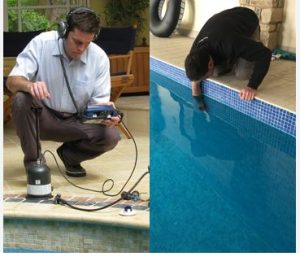
Understanding Common Causes of Pool Leaks
1. Evaporation vs. Actual Leaks
Water loss in a pool may not always be due to leaks. Evaporation is a natural process influenced by temperature, humidity, wind speed, and pool usage. On average, pools lose about 1/4 to 1/2 inch of water daily due to evaporation. However, if water levels drop beyond this range, a leak is likely.
2. Structural Damage
Structural damage is a common cause of pool leaks. Cracks or fractures in the pool shell, tile work, or vinyl liner can allow water to escape. Ground movement, improper installation, or aging materials can contribute to these structural issues. Regular inspections help detect these problems early.
3. Plumbing Issues
Underground plumbing leaks are harder to detect but can significantly contribute to water loss. Issues can arise in suction lines, return lines, or skimmers due to shifting soil, root intrusion, or pipe corrosion.
4. Equipment Malfunctions
Faulty pool equipment such as pumps, filters, heaters, or chlorinators can develop leaks over time. Worn-out seals, cracks, or loose connections can lead to gradual but persistent water loss. Regular maintenance and timely replacements prevent these issues.
Initial Assessment: Is It a Leak or Evaporation?
Before initiating repairs, it is crucial to differentiate between evaporation and an actual leak.
The Bucket Test
A simple and effective way to determine the cause of water loss is the bucket test:
- Fill a bucket with pool water and place it on a pool step.
- Mark the water levels inside and outside the bucket.
- After 24 hours, compare the levels. If the pool water level has dropped more than the bucket’s, a leak is likely.
Identifying the Source of the Leak
Once a leak is confirmed, pinpointing its location is the next step.
1. Visual Inspection
Conduct a thorough visual inspection of the pool and surrounding areas:
- Pool Deck & Surroundings: Look for wet spots, cracked pavement, or eroded areas.
- Pool Structure: Examine walls and floors for visible cracks, broken tiles, or liner tears.
- Equipment Area: Inspect around the pump, filter, and pipes for moisture or puddles.
2. Dye Testing
Dye testing helps detect leaks in structural components:
- Turn off the pool pump to keep the water still.
- Use leak detection dye or food coloring near suspected leak areas.
- Observe if the dye is drawn into any cracks or gaps.
3. Pressure Testing
If the leak is not visible, it may be in the plumbing system. Pressure testing involves:
- Sealing off plumbing lines.
- Applying air or water pressure.
- Monitoring for pressure drops, which indicate a leak.
Repairing Different Types of Leaks
1. Structural Leaks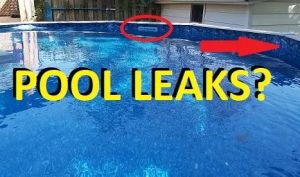
Concrete or Gunite Pools:
- Minor cracks can be sealed using epoxy or hydraulic cement.
- Extensive damage may require professional resurfacing.
Vinyl Liner Pools:
- Use vinyl patch kits for minor tears.
- Severe liner damage may necessitate liner replacement.
2. Plumbing Leaks
- Small leaks in pipes can be sealed using pipe repair kits or epoxy putty.
- Underground leaks often require professional intervention and pipe replacement.
3. Equipment Leaks
- Pump Leaks: Replace worn-out seals or gaskets.
- Filter Leaks: Tighten fittings and inspect O-rings.
- Heater Leaks: Inspect for corrosion or loose connections.
Preventative Measures to Avoid Future Leaks
- Regularly inspect the pool for signs of leaks.
- Maintain proper chemical balance to prevent liner and structural damage.
- Schedule routine professional inspections for early leak detection.
- Winterize the pool properly to prevent freeze-related cracks.
When to Consult a Professional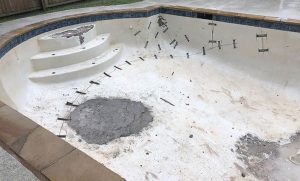
While minor leaks can be addressed with DIY solutions, complex issues like underground leaks, major structural damage, or persistent equipment malfunctions require expert intervention. Professional leak detection services use advanced technology such as acoustic sensors and thermal imaging to locate leaks accurately and recommend effective repair solutions.
Conclusion
Detecting and repairing swimming pool leaks is crucial for maintaining efficiency, safety, and longevity. By understanding common causes, employing effective detection techniques, and implementing timely repairs, you can prevent costly water loss and structural damage. Regular maintenance and professional inspections further ensure that your pool remains in optimal condition for years to come.
The Evolution of Personal Adornment!