
 By admin
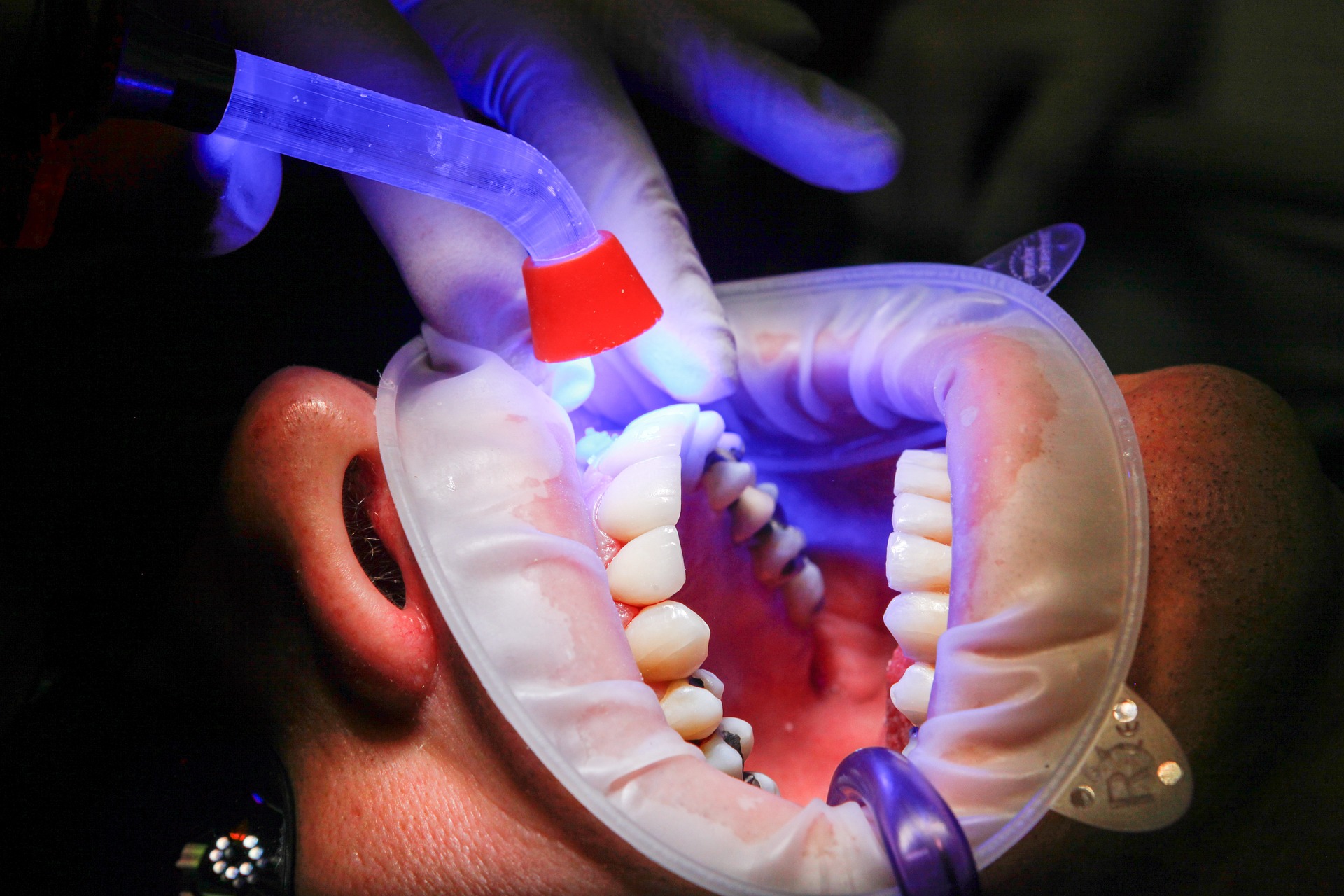
Understanding Abscessed Teeth: Causes, Symptoms, and Treatment Options
Introduction
An abscessed tooth is a serious dental condition resulting from a bacterial infection that forms a pocket of pus within the tissues surrounding the tooth. It is a painful and potentially dangerous condition that can lead to severe complications if left untreated. With advancements in dental care, understanding the causes, symptoms, and treatment options for abscessed teeth is essential for maintaining optimal oral health.
This article provides a comprehensive overview of abscessed teeth, detailing their types, underlying causes, symptoms, potential complications, and modern treatment methods. We also explore the best preventive measures to avoid this painful dental issue and ensure long-term oral health.
What is an Abscessed Tooth?
An abscessed tooth occurs when bacteria infiltrate the inner layers of the tooth, leading to infection and pus accumulation. This condition can be classified into two main types:
1. Periapical Abscess
- Forms at the tip of the tooth root due to bacterial invasion of the dental pulp (nerve and blood vessels inside the tooth).
- Typically caused by untreated cavities or dental trauma.
2. Periodontal Abscess
- Develops in the gum tissue near the tooth root.
- Often linked to advanced gum disease (periodontitis) or trapped food debris.
Both types of abscesses require prompt dental attention to prevent the spread of infection to other parts of the body.
Causes of Abscessed Teeth
Several factors contribute to the formation of an abscessed tooth. Identifying these causes can aid in prevention and early intervention.
1. Untreated Tooth Decay
- Cavities that penetrate deep into the tooth allow bacteria to reach the pulp, leading to infection and pus buildup.
2. Gum Disease (Periodontitis)
- Inflammation and deep gum pockets provide a breeding ground for bacteria, increasing the risk of abscess formation.

3. Dental Trauma
- Cracks, chips, or fractures in teeth can expose the inner pulp to bacterial infection.
4. Failed Dental Procedures
- Poorly executed fillings, crowns, or root canals can leave gaps for bacteria to invade.
5. Weakened Immune System
- Conditions like diabetes, autoimmune diseases, or chemotherapy can reduce the body’s ability to fight infections, increasing susceptibility to dental abscesses.
Symptoms of an Abscessed Tooth
Recognizing the symptoms early can help in seeking timely dental treatment. Common signs include:
- Severe, throbbing pain: Often radiates to the jaw, neck, or ear.
- Swelling in the face or gums: Indicates infection spread.
- Redness and tenderness: Inflamed gums around the affected tooth.
- Persistent bad breath or foul taste: Due to pus drainage.
- Fever and general discomfort: Sign of systemic infection.
- Difficulty chewing or swallowing: Caused by swelling and pain.
- Loose tooth or sensitivity: Due to bone deterioration around the root.
Complications of Untreated Abscessed Teeth
Ignoring an abscessed tooth can lead to severe health risks, including:
1. Bone Loss and Tooth Loss
- The infection can erode the jawbone, leading to tooth instability and loss.
2. Spread of Infection to Other Organs
- Bacteria can enter the bloodstream (septicemia), affecting the heart (endocarditis), brain (brain abscess), or lungs.
3. Sinus Infections
- Upper jaw abscesses can spread to the sinuses, causing chronic sinusitis.
4. Ludwig’s Angina
- A rare but life-threatening condition where the infection spreads to the neck, causing airway obstruction.
Diagnosis and Treatment Options
1. Diagnosis
Dentists use various methods to diagnose an abscessed tooth, including:
- Physical examination: Checking for swelling, pus drainage, and gum redness.
- X-rays: Identifying the extent of infection and bone loss.
- Percussion tests: Tapping the tooth to check for sensitivity.
2. Treatment Options
Timely treatment is crucial to prevent further complications. Options include:
A. Antibiotic Therapy
- Prescribed to control bacterial infection, especially if swelling has spread.
B. Root Canal Therapy (RCT)
- A procedure where the infected pulp is removed, and the canal is cleaned and sealed to save the tooth.
C. Drainage of Abscess
- The dentist may make an incision to drain pus and relieve pressure.
D. Tooth Extraction
- If the tooth is severely damaged, removal may be necessary to prevent the spread of infection.
E. Pain Management
- Over-the-counter pain relievers and anti-inflammatory drugs help manage discomfort during treatment.
Prevention Tips
Prevention is the best approach to avoid abscessed teeth. Follow these key oral hygiene practices:
- Brush twice daily with fluoride toothpaste.
- Floss daily to remove plaque and food particles.
- Visit the dentist regularly for check-ups and cleanings.
- Avoid excessive sugar consumption, which contributes to cavities.
- Wear a mouthguard if engaging in contact sports to prevent dental injuries.
- Treat cavities and gum disease early to prevent bacterial infections.
Conclusion
An abscessed tooth is a serious dental issue that requires immediate attention. If left untreated, it can lead to severe complications such as jawbone deterioration, systemic infections, and even life-threatening conditions. Understanding the causes, symptoms, and treatment options can help individuals seek timely dental care and prevent long-term damage. Prioritizing good oral hygiene and regular dental visits is essential for maintaining a healthy smile and preventing abscessed teeth.