
 By admin
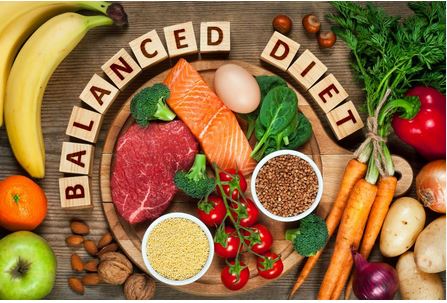
The Profound Impact of Diet on Health: A Comprehensive Guide to Eating for Wellness
Introduction
The phrase “You are what you eat” holds more significance today than ever before. In an era where fast food and processed meals have become the norm, the effects of diet on overall health cannot be overstated. Proper nutrition plays a vital role in preventing chronic diseases, enhancing mental clarity, and improving overall well-being. As the rates of obesity, diabetes, and cardiovascular conditions continue to rise, understanding the impact of dietary choices is more critical than ever. This guide explores the latest research on how diet influences various aspects of health, offering practical steps for adopting healthier eating habits.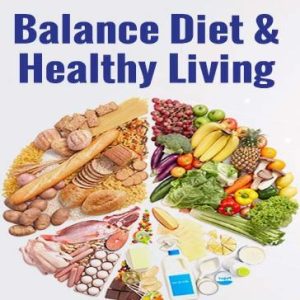
The Western Diet: A Health Hazard
The modern Western diet is characterized by a high intake of processed foods, red meats, refined sugars, and unhealthy fats. While convenient, this diet has been consistently linked to severe health risks, including:
Obesity and Metabolic Disorders
- Diets rich in processed foods and sugary beverages contribute significantly to weight gain.
- High-calorie, low-nutrient foods increase the likelihood of insulin resistance and type 2 diabetes.
- Excess consumption of refined carbohydrates leads to blood sugar spikes and crashes, exacerbating metabolic issues.
Cardiovascular Complications
- Saturated and trans fats, prevalent in processed and fried foods, raise cholesterol levels and increase the risk of heart disease.
- High sodium intake, common in packaged foods, contributes to hypertension and stroke.
The Rise of Plant-Based Diets: A Healthier Alternative
A growing body of evidence supports plant-based diets as a superior approach to maintaining health. These diets, which emphasize whole grains, fruits, vegetables, nuts, seeds, and legumes, offer numerous benefits:
Weight Management and Satiety
- Fiber-rich foods promote fullness, reducing overall calorie intake.
- Plant-based diets are associated with lower body mass index (BMI) and reduced obesity rates.
Heart Health and Longevity
- Diets rich in antioxidants and healthy fats help lower cholesterol and blood pressure.
- Omega-3 fatty acids, found in flaxseeds, walnuts, and certain plant oils, support cardiovascular function.
Dietary Choices and Disease Prevention
Cardiovascular Health
Heart disease remains the leading cause of mortality worldwide. A diet rich in whole, plant-based foods significantly reduces the risk of cardiovascular conditions by:
- Lowering LDL (bad) cholesterol and increasing HDL (good) cholesterol.
- Reducing arterial inflammation, a key factor in heart disease development.
- Supporting endothelial function, crucial for proper blood circulation.
Cancer Prevention
Diet is a key factor in cancer risk reduction. Scientific findings suggest:
- Diets high in processed meats correlate with an increased risk of colorectal cancer.
- Cruciferous vegetables (broccoli, kale, Brussels sprouts) contain compounds that combat cancer cell growth.
- High-antioxidant foods, such as berries and green tea, reduce oxidative stress, a precursor to cancer.
Gut Health and the Microbiome
A balanced gut microbiome is essential for digestion, immunity, and overall health. Healthy dietary practices include:
- Consuming prebiotic-rich foods like garlic, onions, and bananas to support beneficial gut bacteria.
- Incorporating fermented foods (yogurt, kimchi, sauerkraut) to promote probiotic growth.
- Avoiding excessive sugar and artificial additives that disrupt gut flora balance.

Mental Health and Nutrition
The relationship between diet and mental well-being is increasingly recognized by researchers. Nutrient-dense diets contribute to improved mood and cognitive function through:
Brain-Boosting Nutrients
- Omega-3 fatty acids (found in walnuts and flaxseeds) enhance memory and reduce inflammation.
- B vitamins (present in whole grains and leafy greens) support neurotransmitter function.
- Magnesium-rich foods (almonds, dark chocolate) help alleviate stress and anxiety.
The Role of Sugar and Processed Foods
- Diets high in sugar and refined carbs have been linked to increased rates of depression and anxiety.
- Excessive caffeine and artificial sweeteners may negatively affect mood stability and energy levels.
Global Perspectives on Diet and Longevity
Different cultures provide valuable insights into dietary patterns that promote longevity.
The Mediterranean Diet
- Rich in olive oil, whole grains, lean proteins, and vegetables, this diet has been linked to reduced heart disease and increased lifespan.
- High consumption of anti-inflammatory foods supports brain and joint health.
The Okinawan Diet
- Centered around sweet potatoes, legumes, and minimal meat consumption, Okinawans have one of the highest life expectancies in the world.
- Low-calorie yet nutrient-dense meals contribute to healthy aging and cognitive preservation.
The Blue Zones Phenomenon
- Populations in Blue Zones (areas with high longevity rates) consume predominantly plant-based diets with minimal processed foods.
- Lifestyle factors such as active living and social connections also play a critical role in longevity.
Practical Steps for a Healthier Diet
Adopting healthier eating habits does not have to be overwhelming. Consider implementing the following strategies:
- Increase Plant-Based Foods – Prioritize fruits, vegetables, whole grains, nuts, and legumes in your meals.
- Reduce Processed Foods – Avoid foods high in added sugars, artificial additives, and unhealthy fats.
- Choose Healthy Fats – Incorporate sources of good fats like avocados, nuts, and extra virgin olive oil.
- Stay Hydrated – Drink plenty of water to support digestion and overall bodily functions.
- Practice Mindful Eating – Pay attention to hunger and fullness cues to prevent overeating.
- Plan Balanced Meals – Ensure meals contain a balance of protein, carbohydrates, and healthy fats.
- Limit Red and Processed Meats – Opt for lean protein sources such as fish, poultry, and plant-based alternatives.
Conclusion
The choices we make regarding our diet have far-reaching consequences for our health and longevity. By embracing a balanced, nutrient-rich diet that prioritizes whole, plant-based foods, we can significantly reduce the risk of chronic diseases, support mental health, and promote overall well-being. A healthier future starts with the foods we eat—making informed dietary choices today can lead to a lifetime of improved health.
A Natural Approach to Wellness and Vitality